South Africa Wildlife Photography Holiday
16 days | 4th November – 19th November 2027 (4 places remaining)
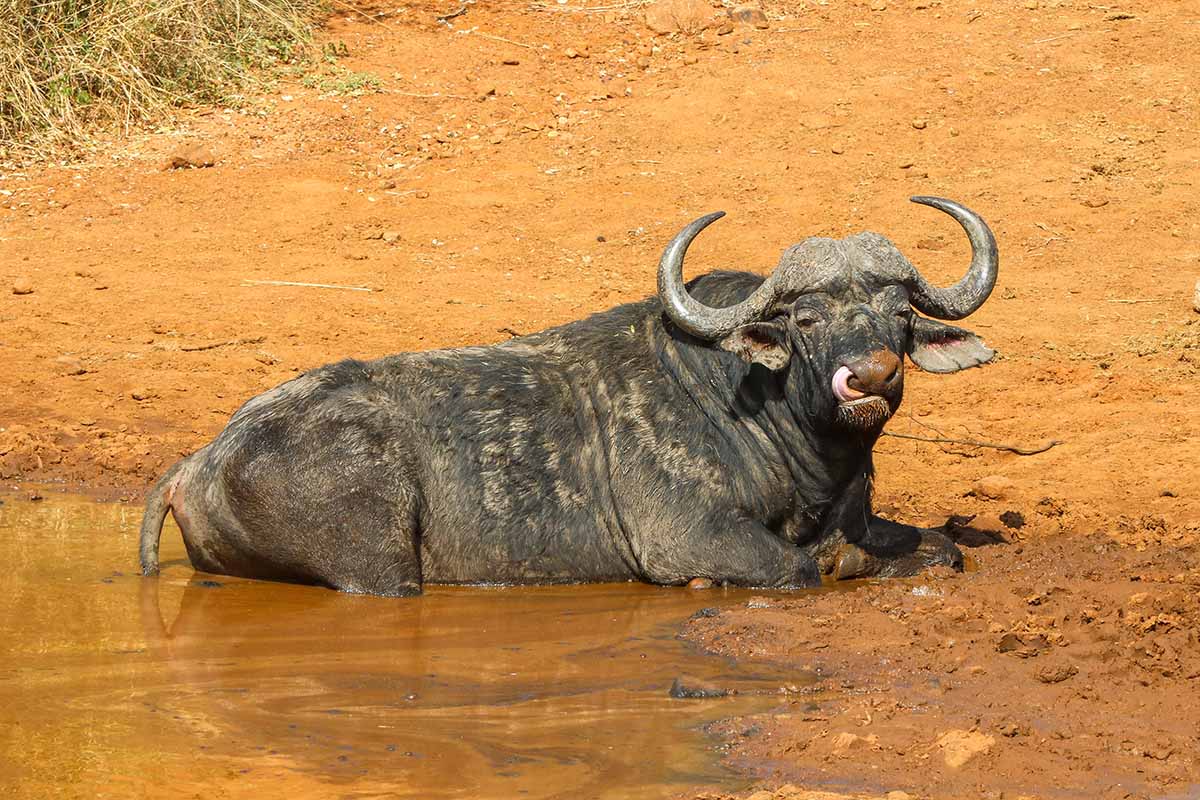
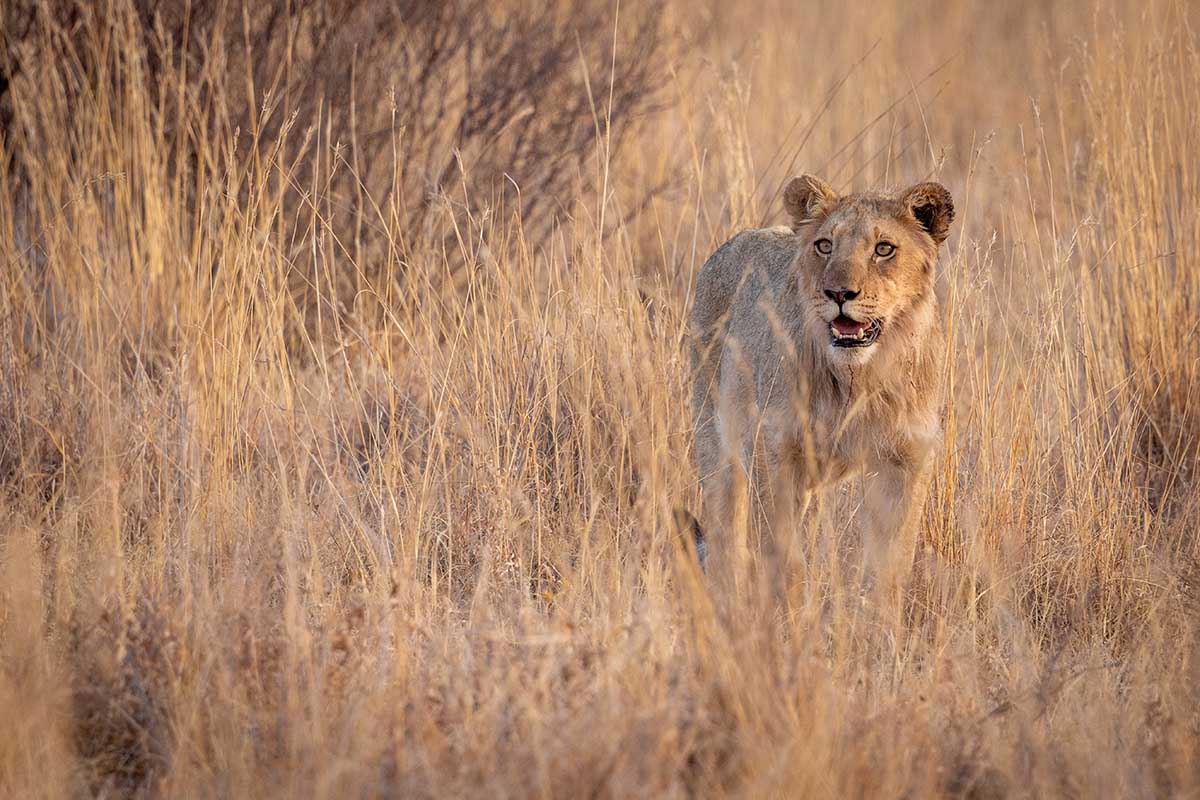
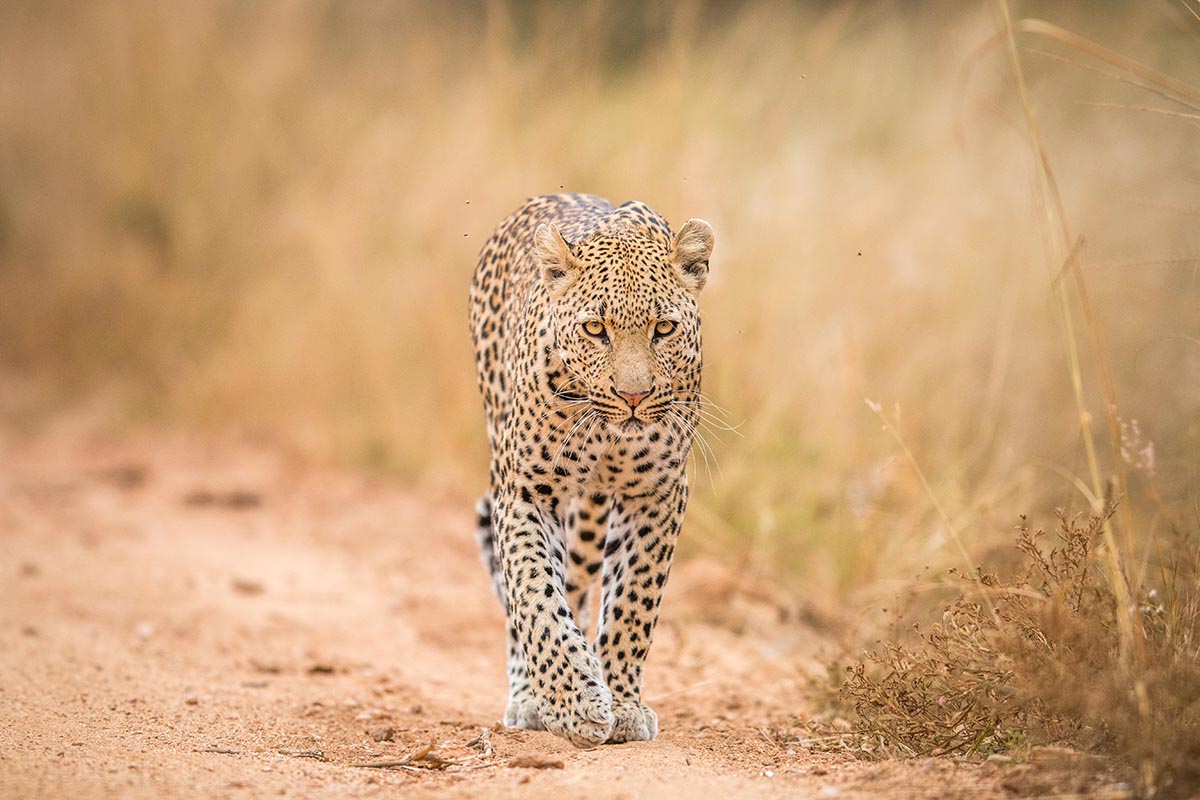
South Africa is one of the world’s most rewarding destinations for wildlife photographers, combining Big Five safaris, spectacular birdlife, dramatic semi-desert landscapes and rich marine life in one extraordinary journey. Timed for the South African spring, this photography holiday takes you from the incredible Pilanesberg National Park to the wild Karoo and the whale-rich coast of the Cape. Along the way, we’ll search for lion, leopard, elephant, rhino and buffalo, as well as cheetah, caracal, meerkats, bat-eared foxes, penguins, albatrosses and southern right whales. With expert guidance, safari drives, photographic hides and dedicated time in the field, this trip is designed to help you create powerful images rather than simply tick off sightings. Travelling in a small group of just six guests also allows for a more intimate animal-viewing experience, more space at key sightings, and better one-to-one photography guidance throughout the journey.
Join Nature Talks for an unforgettable South African wildlife photography adventure.
A Carefully Crafted Wildlife Photography Itinerary
For this photography trip, we have carefully selected the timing and destinations to offer an exceptional variety of wildlife, birdlife and marine life. We travel in November, during the South African spring, when temperatures are generally pleasant and many birds are particularly active. Wildlife activity and visibility vary between habitats, but early-morning, late-afternoon and night excursions give us the best possible opportunities for photography.
November is also the peak of the calving season for several herbivores, including impala, zebra and wildebeest. Young prey animals are highly vulnerable, so this period can bring increased predator activity and opportunities to observe behaviours such as lions hunting.
Highlights include game drives in several reserves, with opportunities to search for the Big Five and many other species; a visit to Cape Town’s world-famous botanical garden, which is rich in birds and reptiles; and boat trips in search of whales, albatrosses and other marine wildlife.
Outstanding Wildlife Photography Locations in South Africa
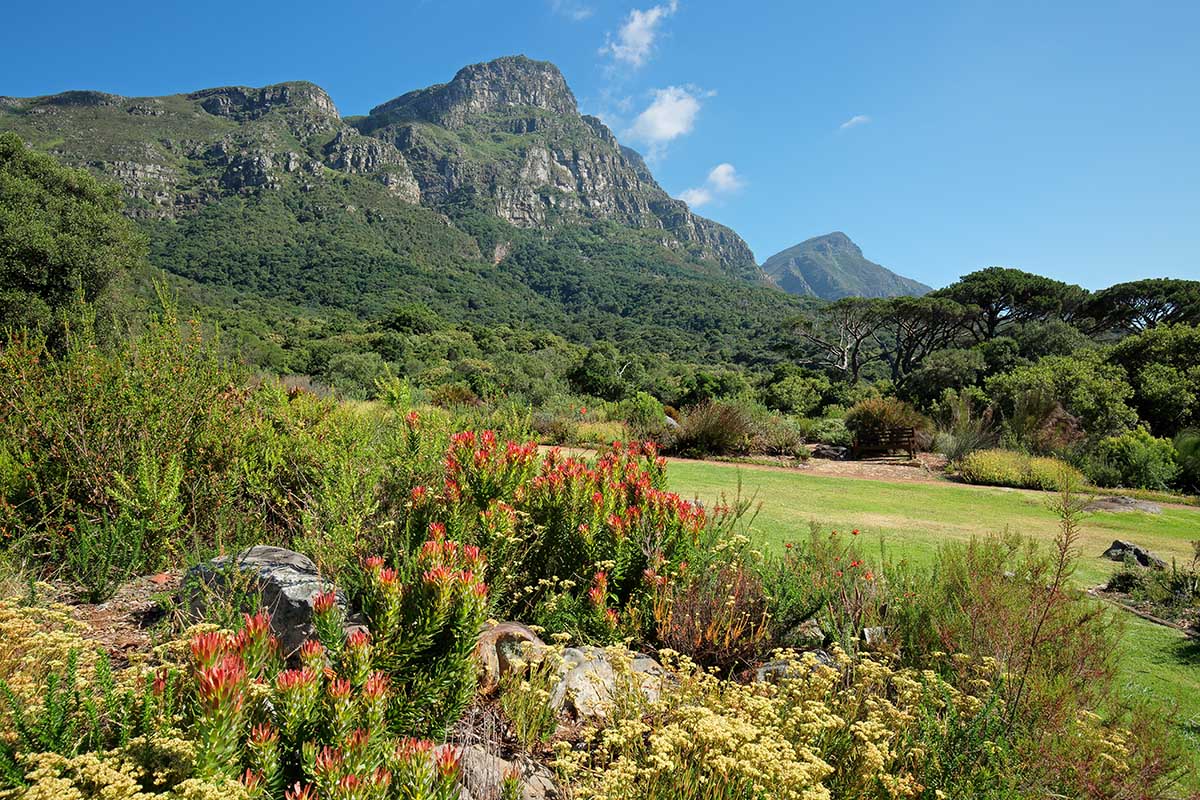
Kirstenbosch National Botanical Garden
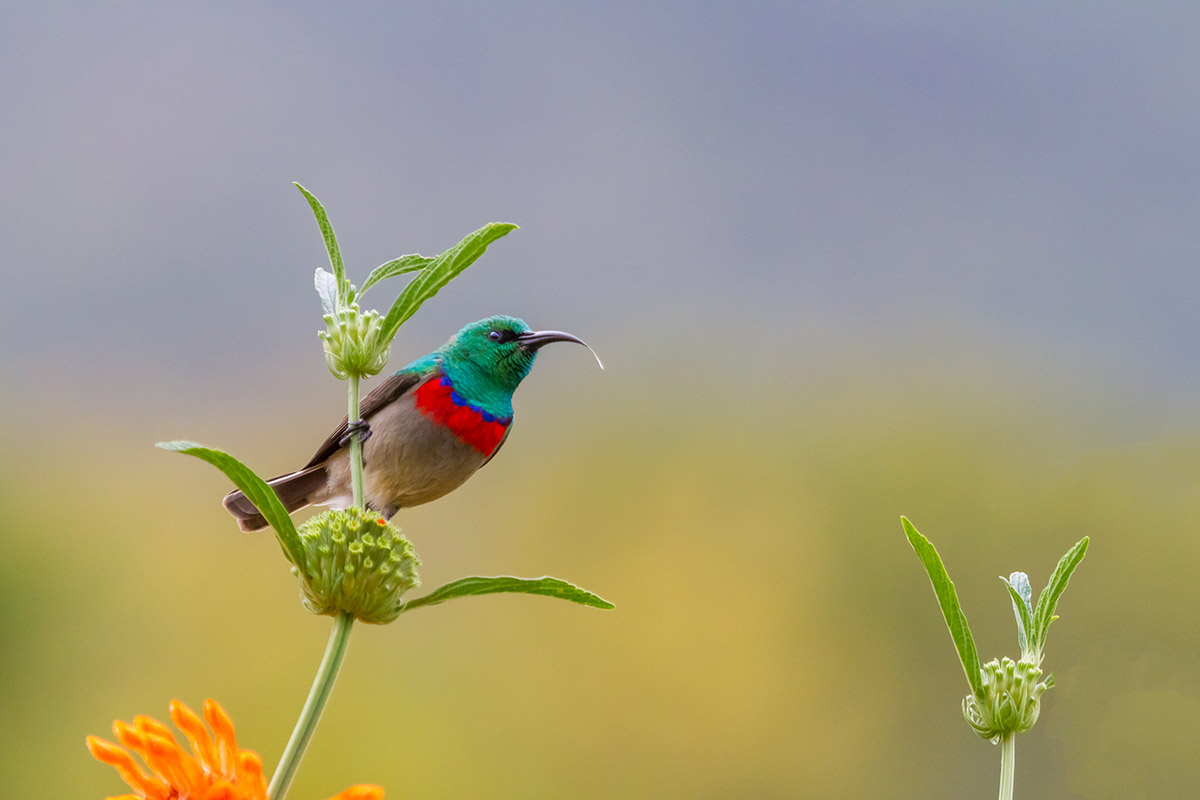
One of the world’s great botanical gardens, set against the magnificent backdrop of Table Mountain and ideal for photographing birds, flowers, reptiles and butterflies. The gardens are particularly good for photographing sunbirds, Cape sugarbirds, owls, dragonflies, geckos, skinks and colourful flowering plants.
West Coast National Park
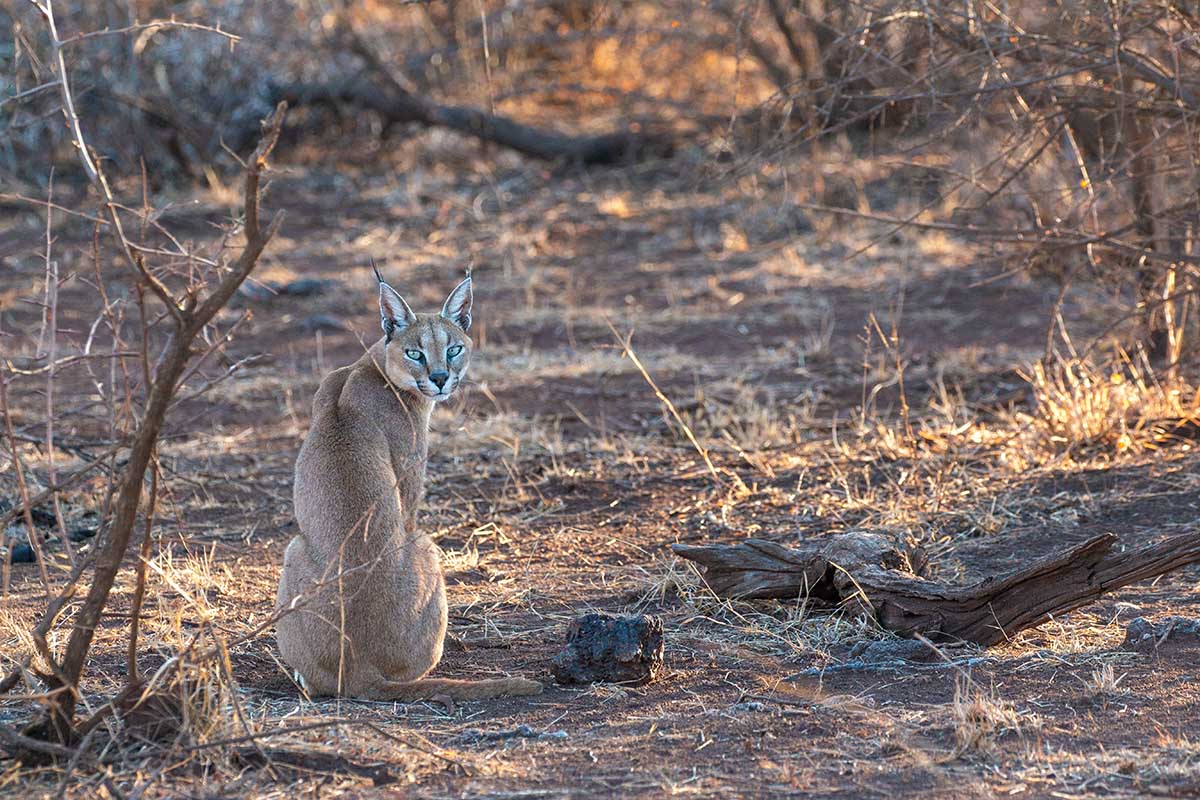
Famous for the Langebaan Lagoon, striking coastal scenery and exceptional birdlife. Key species include caracal, black harrier, flamingos, spoonbills, storks, numerous wader species, antelope, zebra and several species of snake. The park’s photographic hides offer excellent opportunities to photograph waterbirds and other wildlife at close range.
Pelagic boat trip
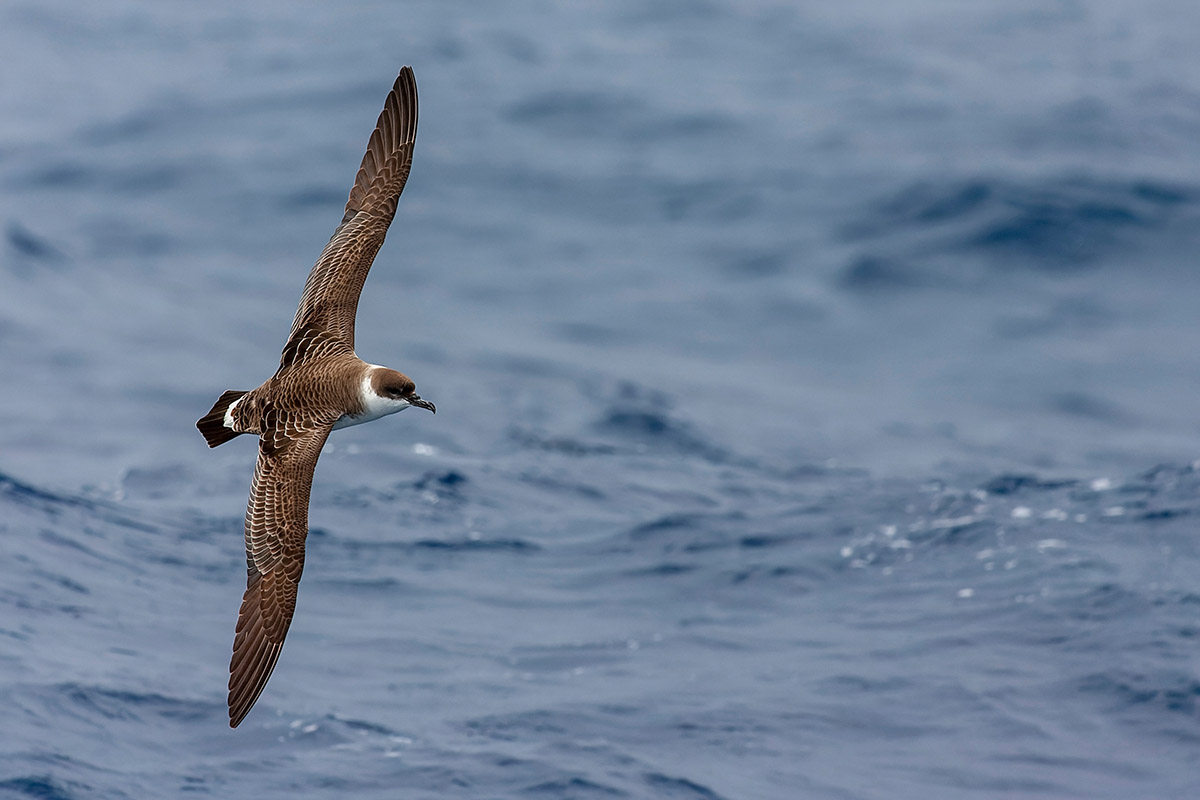
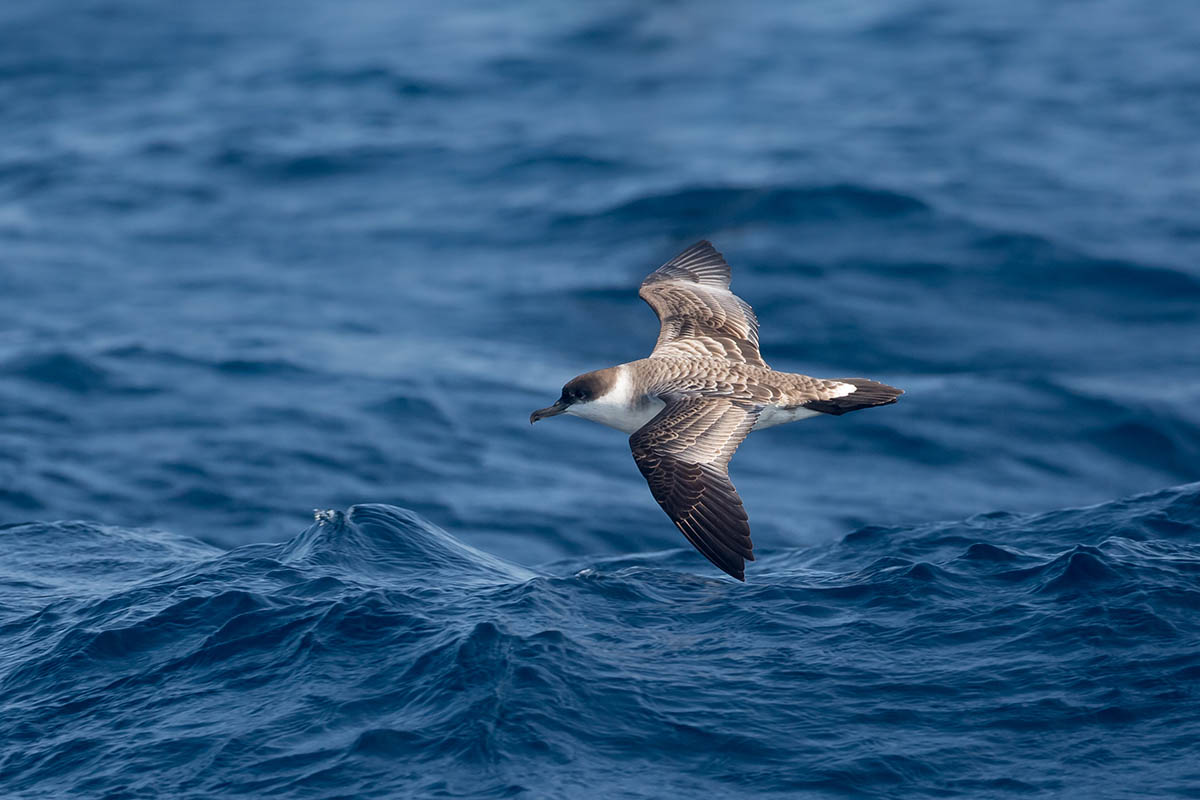
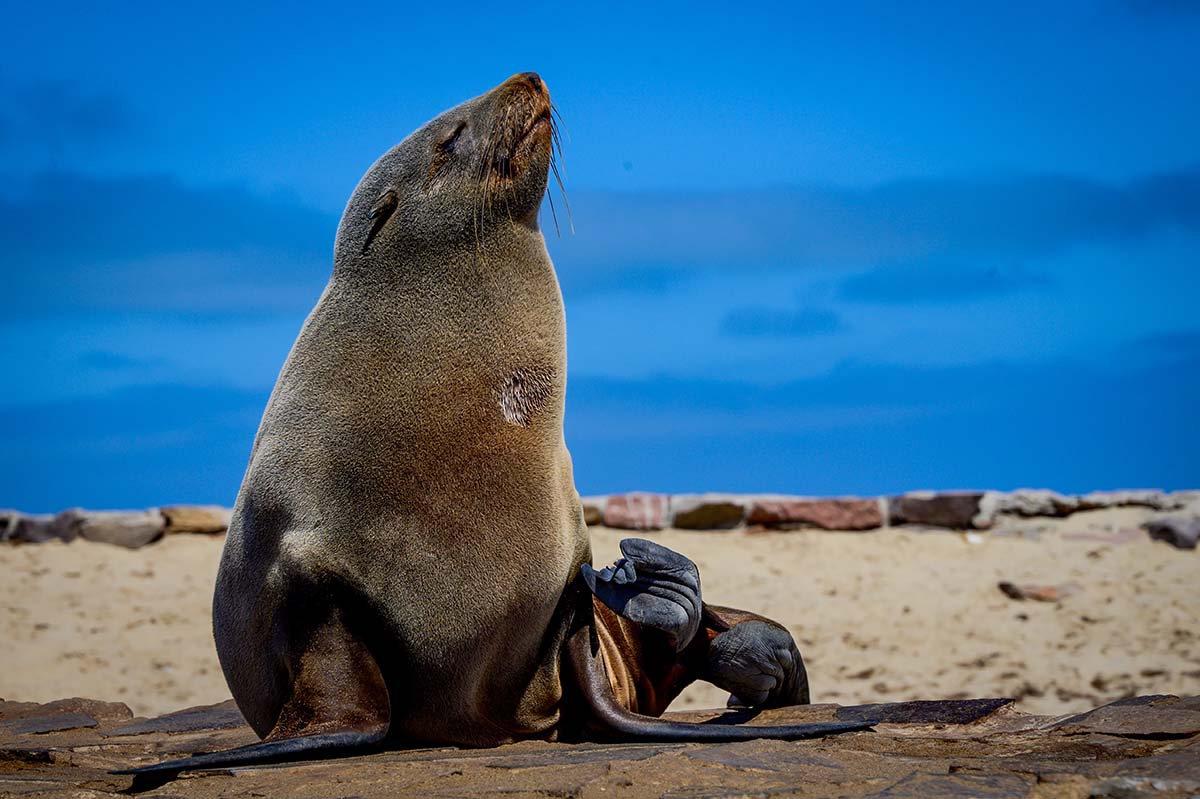
A spectacular day trip into the waters off the Cape, where large numbers of seabirds—including albatrosses, shearwaters, storm petrels, gulls, terns and cormorants—may gather around fishing vessels. With luck, whales, dolphins, Cape fur seals and even sharks may also be encountered offshore.
Cape of Good Hope Nature Reserve
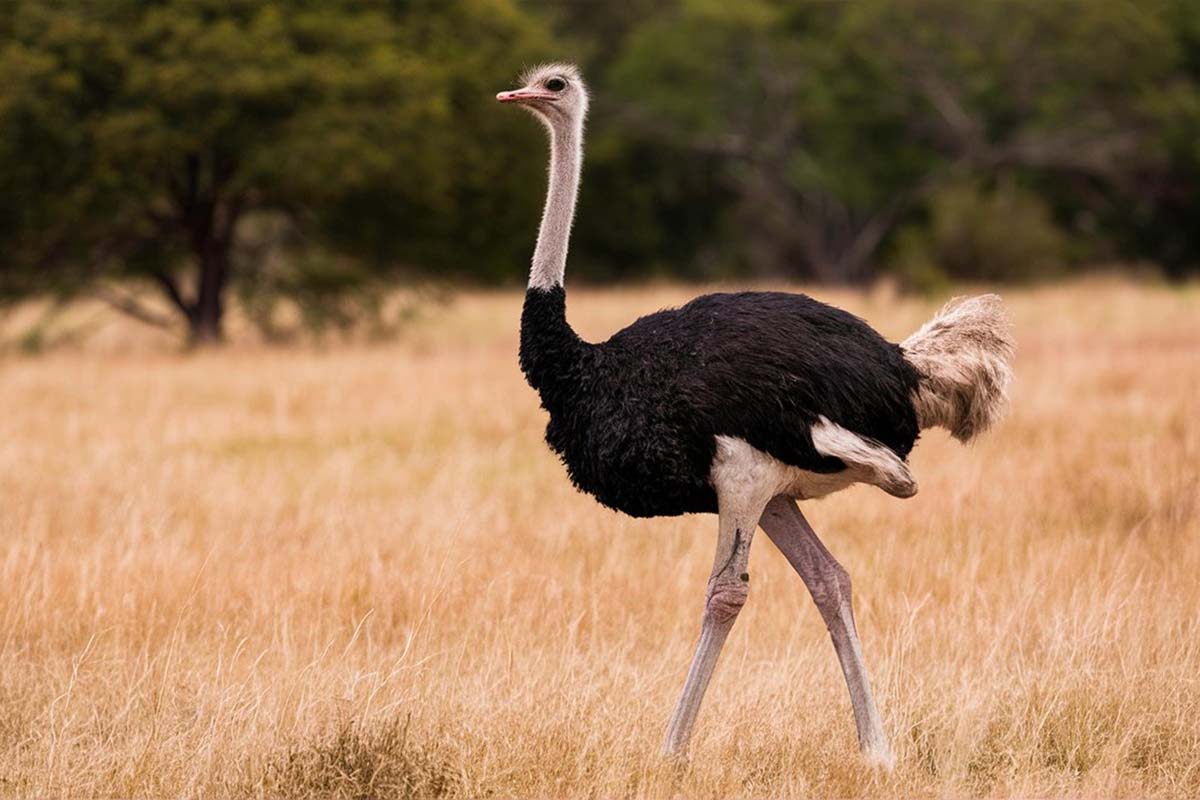
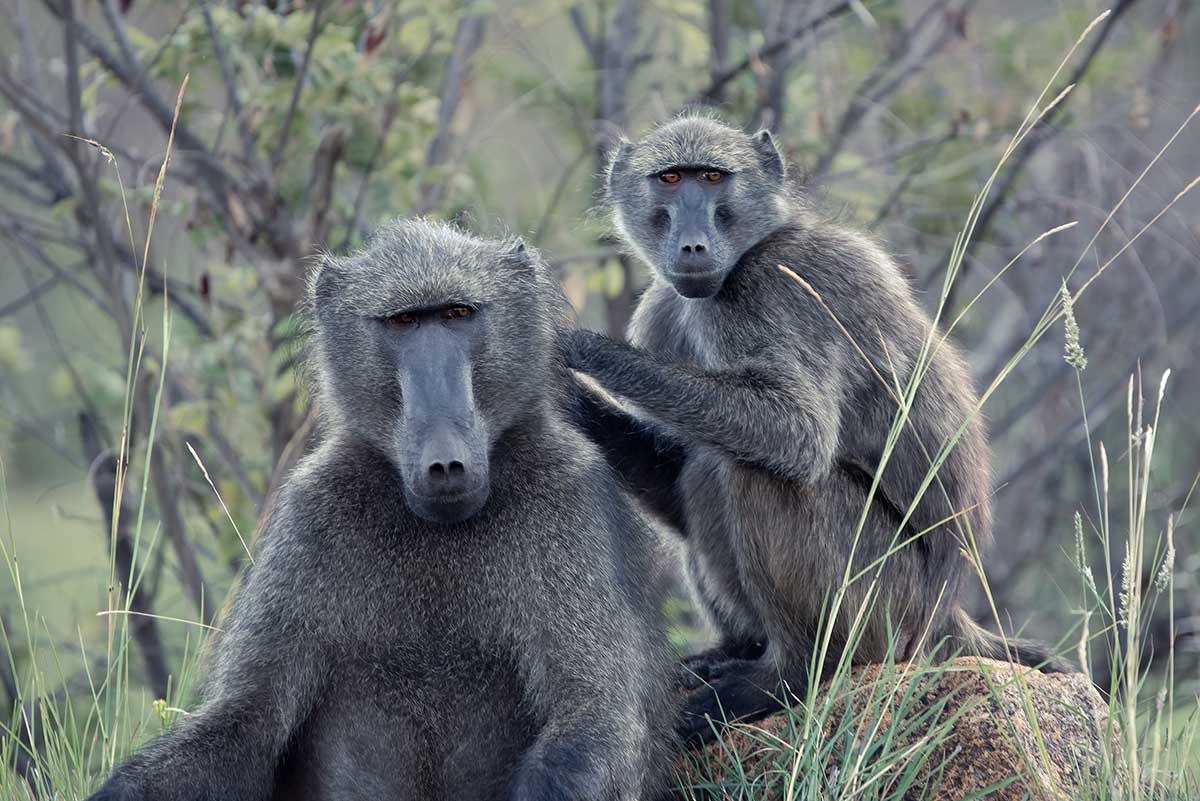
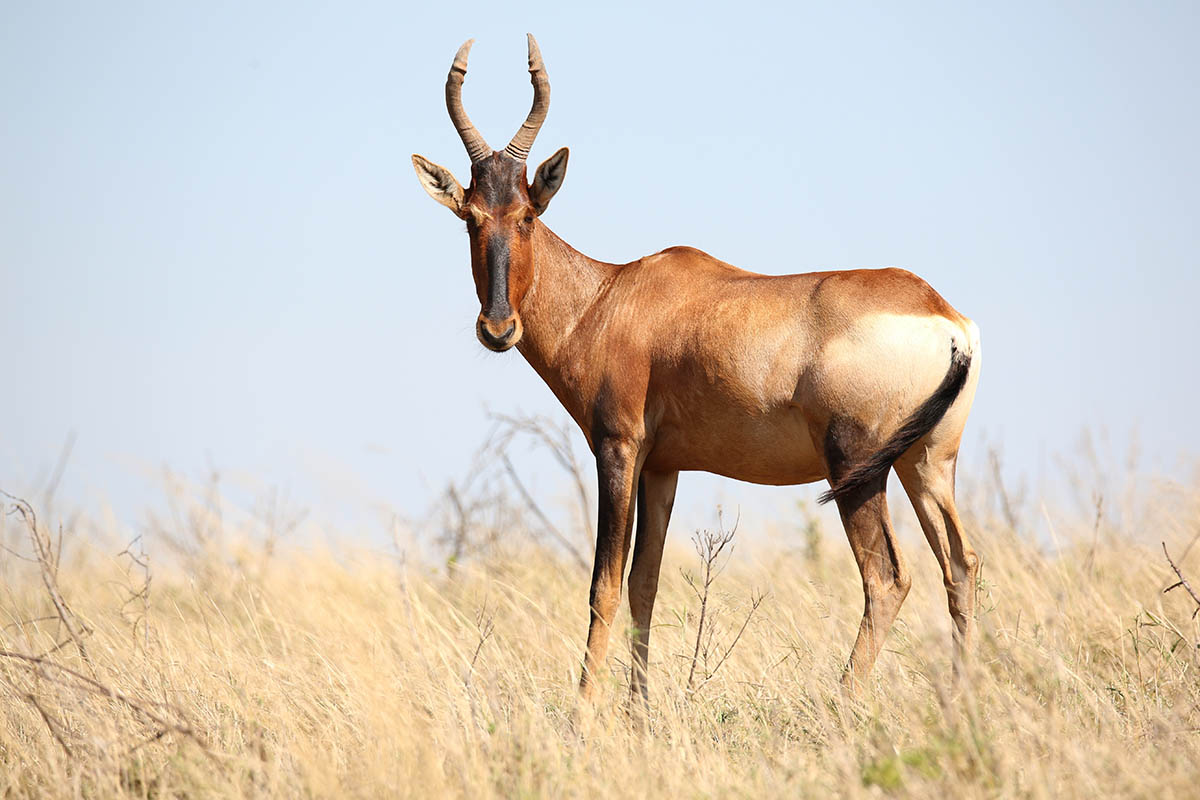
A spectacular and diverse natural area home to caracal, ostrich, red hartebeest, African penguin, Cape hyrax, tortoises, baboons, antelope, seals and more than 260 recorded bird species.
The reserve does not contain the large, potentially dangerous mammals associated with South Africa’s Big Five safari reserves, allowing us to explore suitable areas on foot where permitted. However, all wildlife remains unpredictable, so we will always follow local guidance, maintain respectful distances and put the animals’ welfare and everyone’s safety first.
Hermanus Whale Watching
One of the best places in the world to see and photograph whales between June and November. Southern right whales are the main attraction, with humpback and Bryde’s whales also possible, alongside dolphins, Cape fur seals, African penguins and, occasionally, sharks.
Karoo National Park
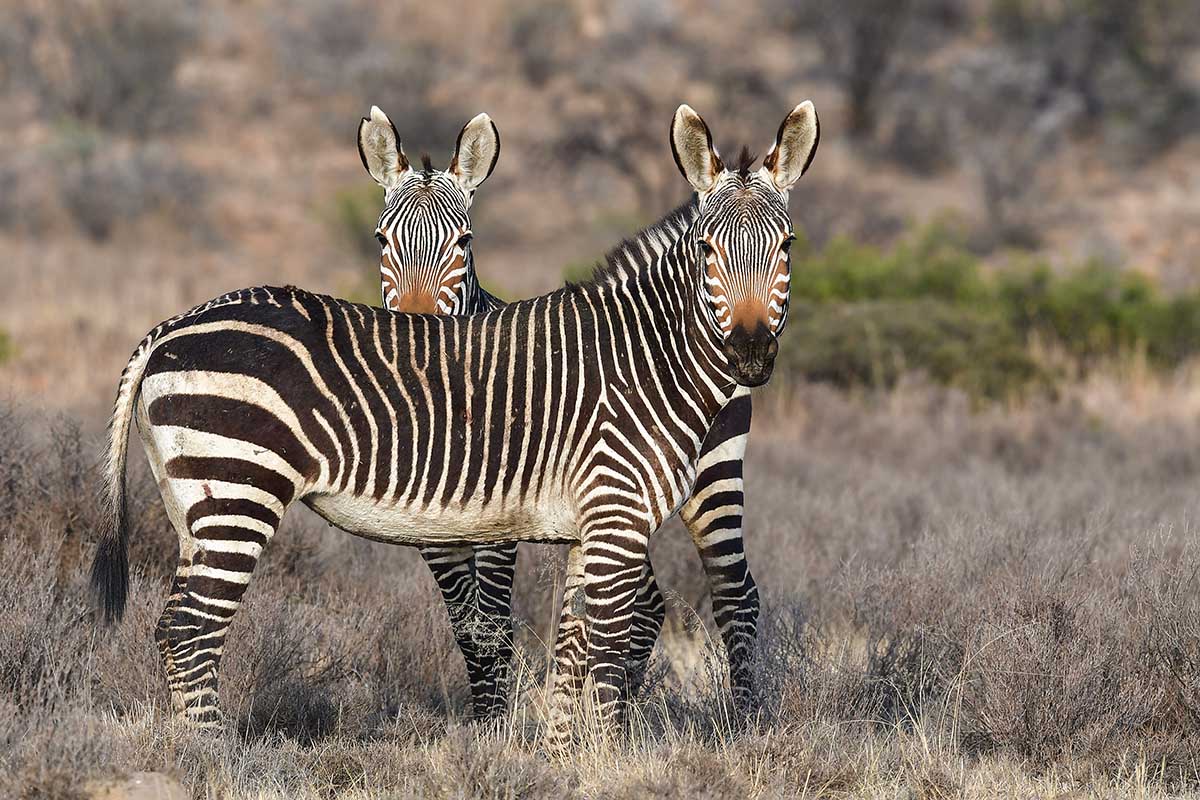
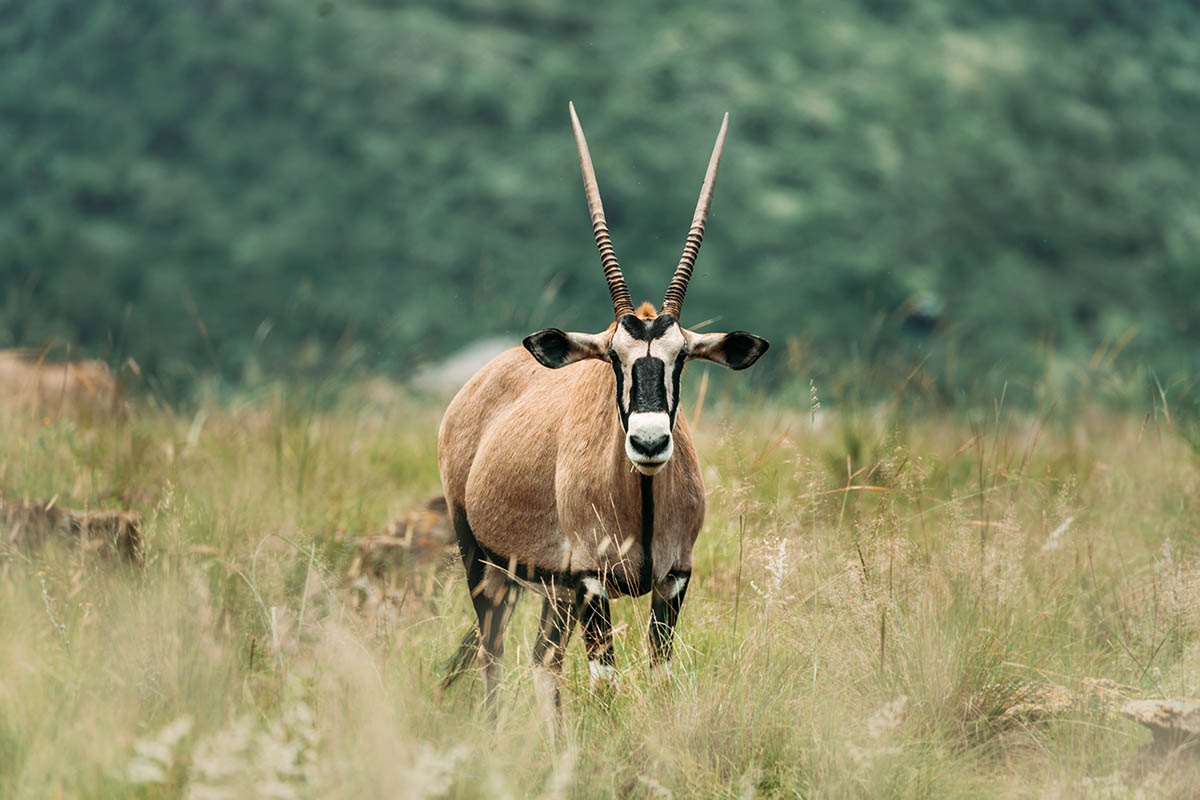
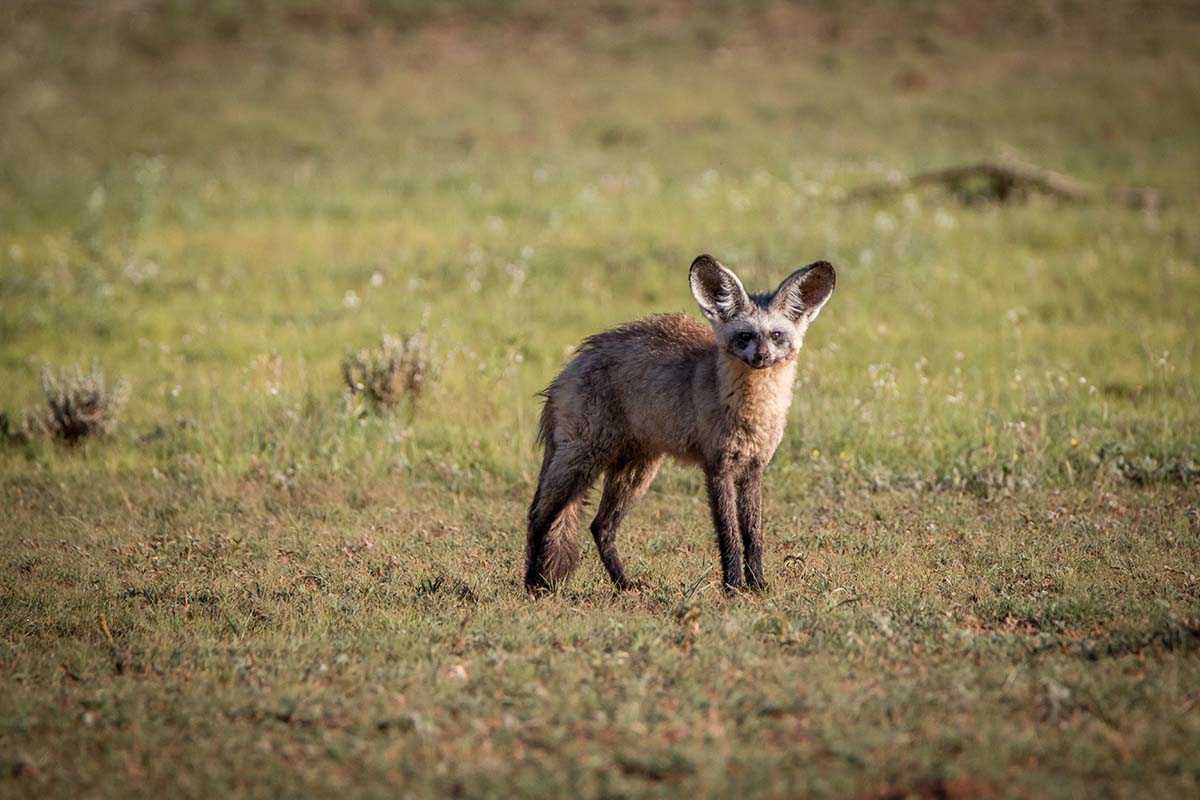
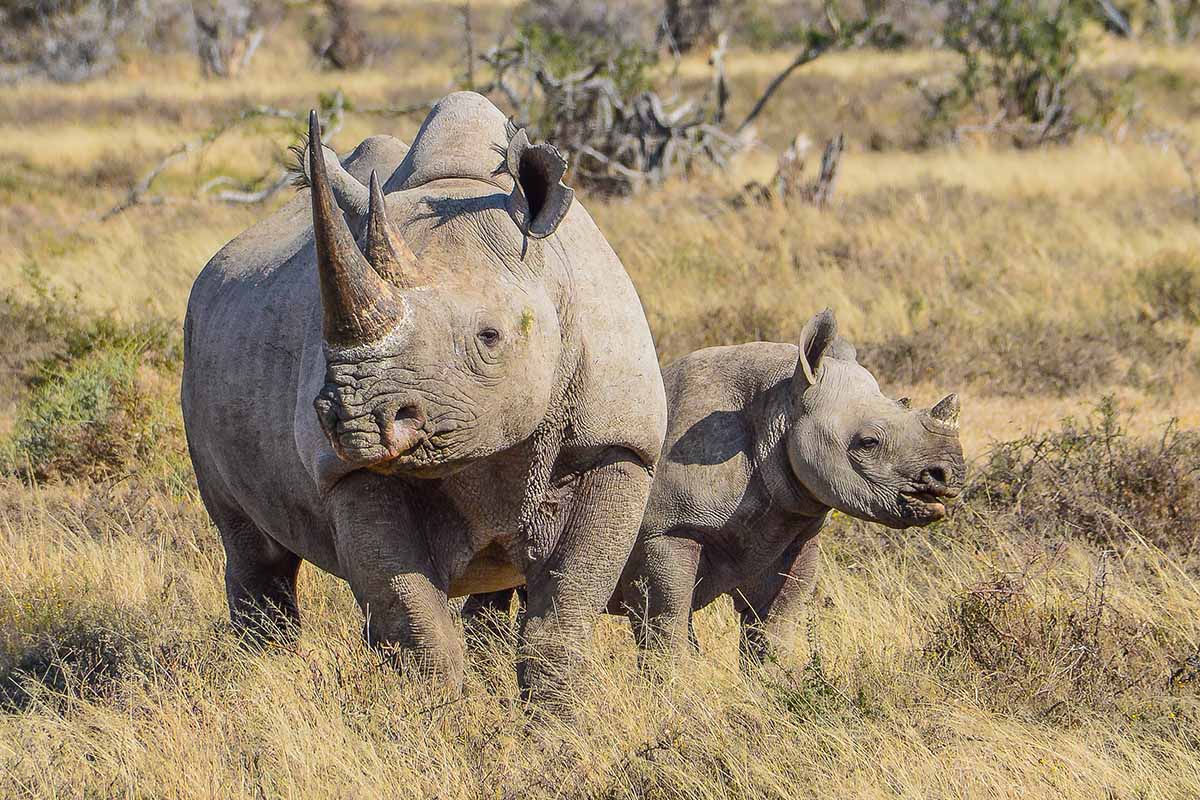
A vast semi-desert ecosystem offering dramatic landscapes and excellent opportunities to photograph the distinctive wildlife of South Africa’s Karoo region. Species that may be encountered include Cape mountain zebra, black rhinoceros, springbok, steenbok, bat-eared fox, caracal, aardwolf and a variety of raptors and endemic Karoo bird species.
Khoisan Karoo
A private conservancy in the Northern Cape combining two nature reserves focused on conservation and nocturnal wildlife. Expect exciting night safaris and opportunities to encounter unique desert species.
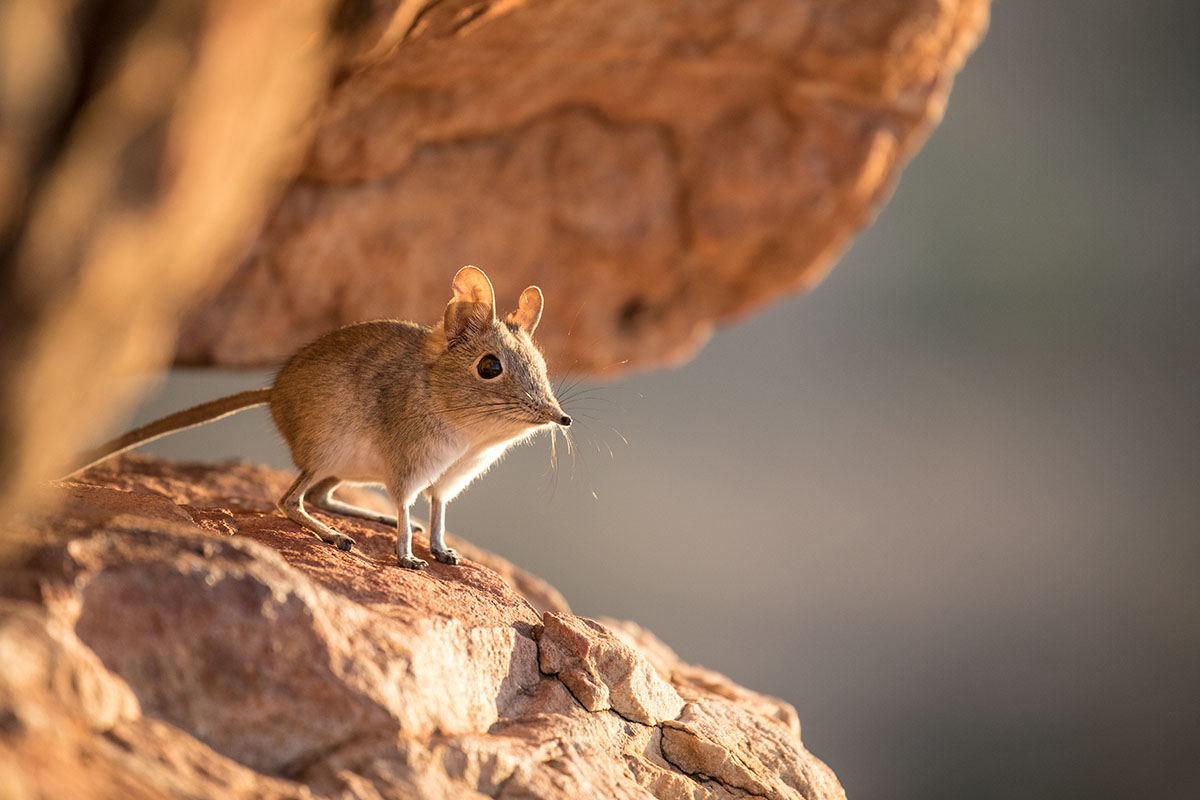
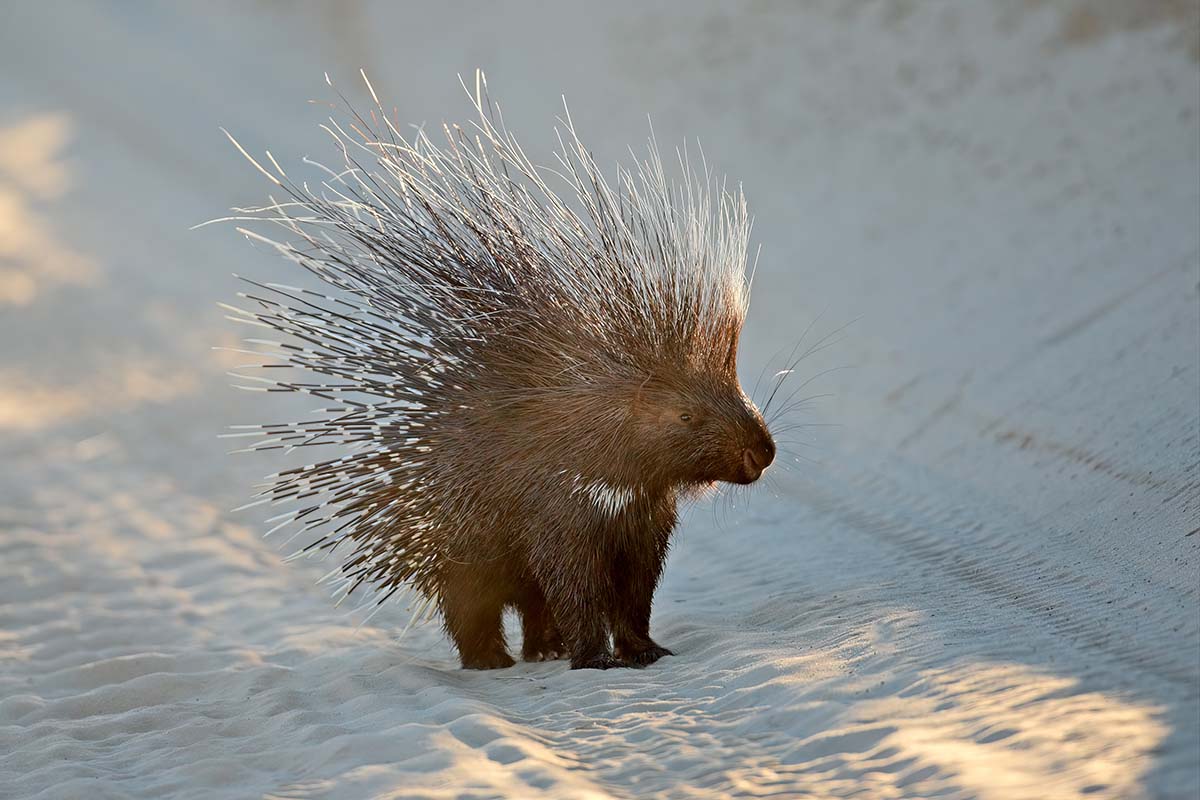
Some of the special wildlife found here includes black-footed cat, caracal, aardvark, aardwolf, bat-eared fox, Cape fox, striped polecat, porcupine, springhare, meerkat, gemsbok, sable antelope, eastern rock elephant shrew, blue crane, blue korhaan and numerous specialised arid-zone birds and reptiles.
Pilanesberg National Park
One of South Africa’s most popular game reserves, offering abundant wildlife, excellent birding, beautiful scenery and productive photographic hides.
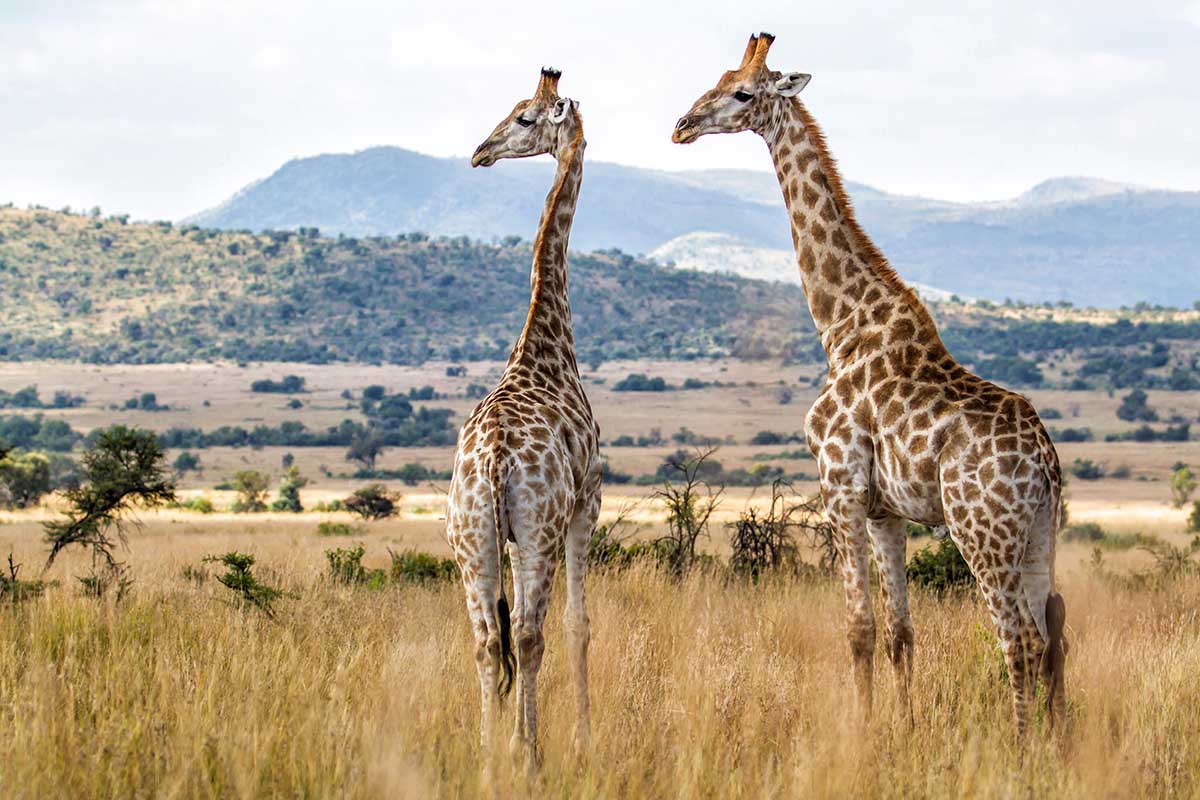
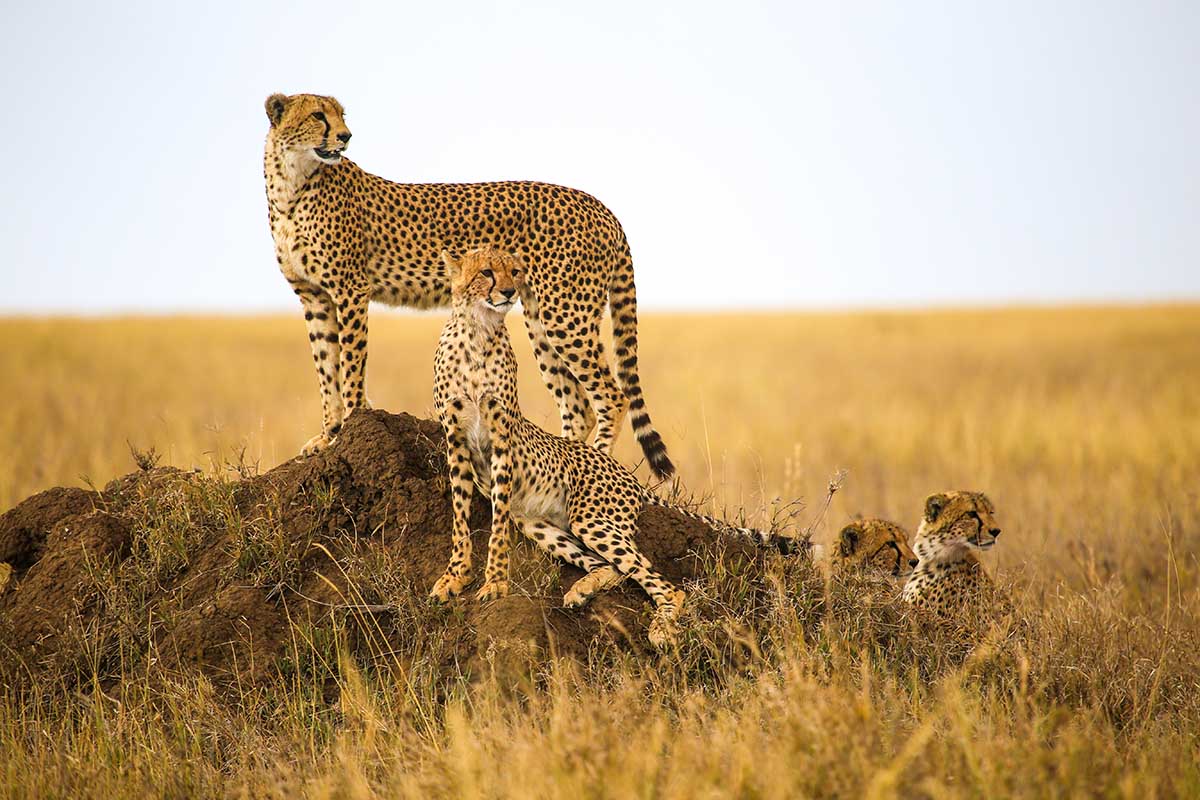
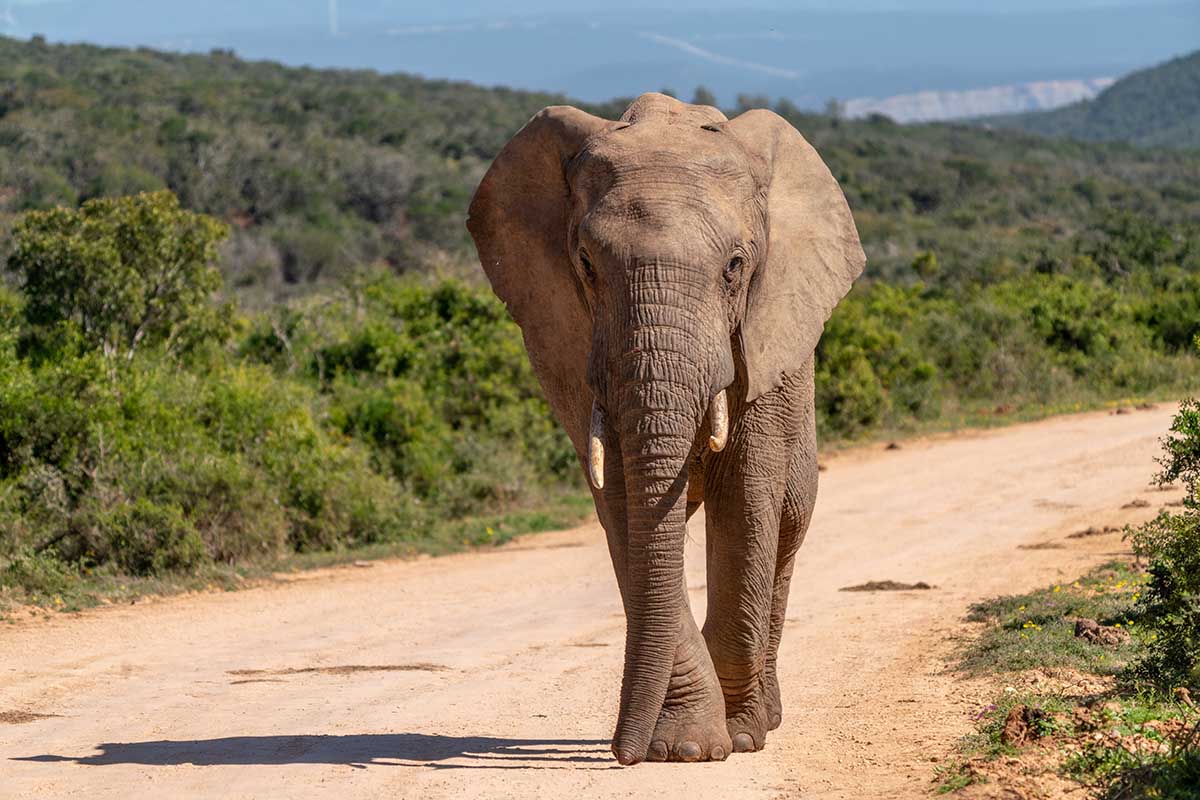
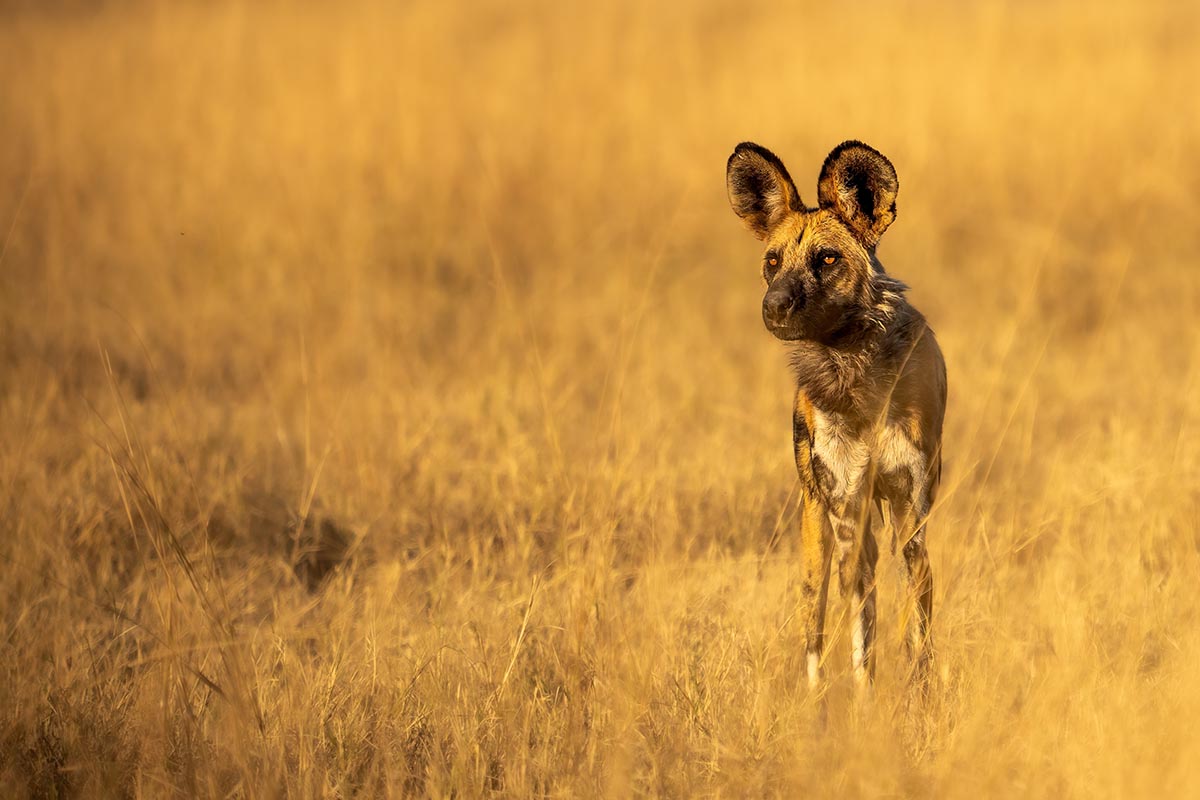
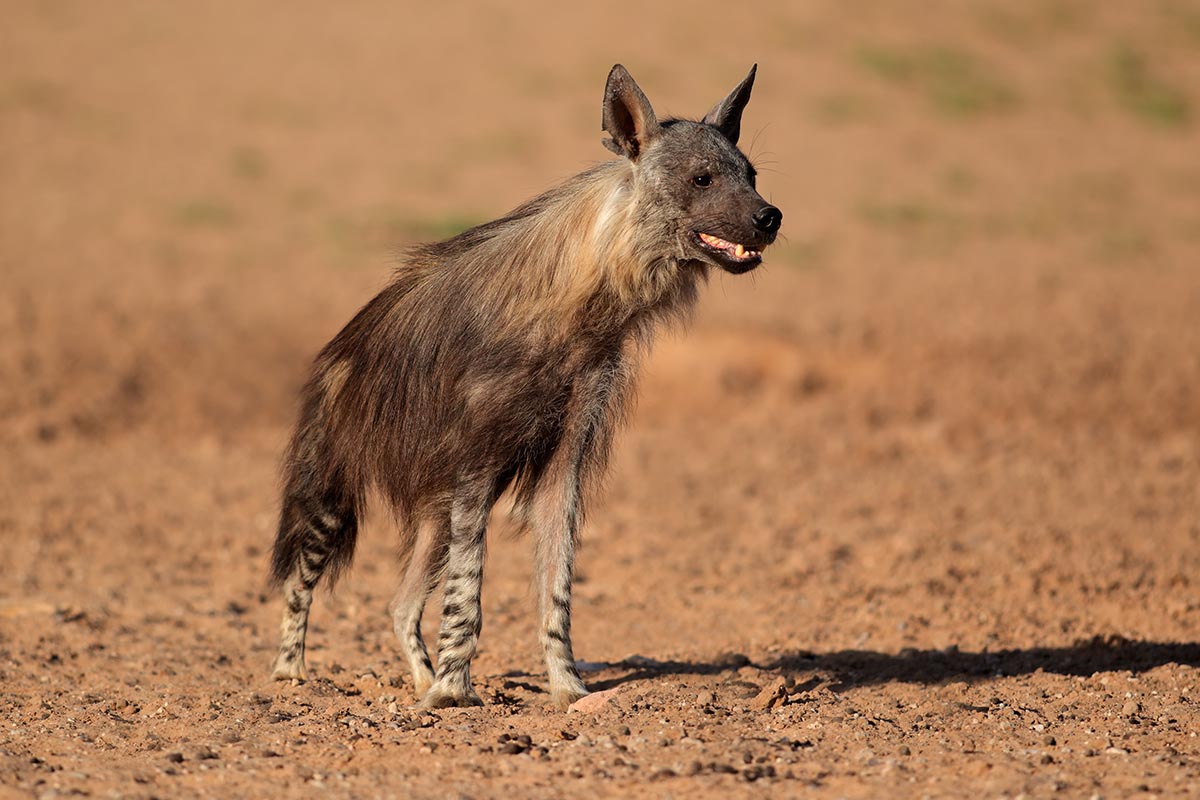
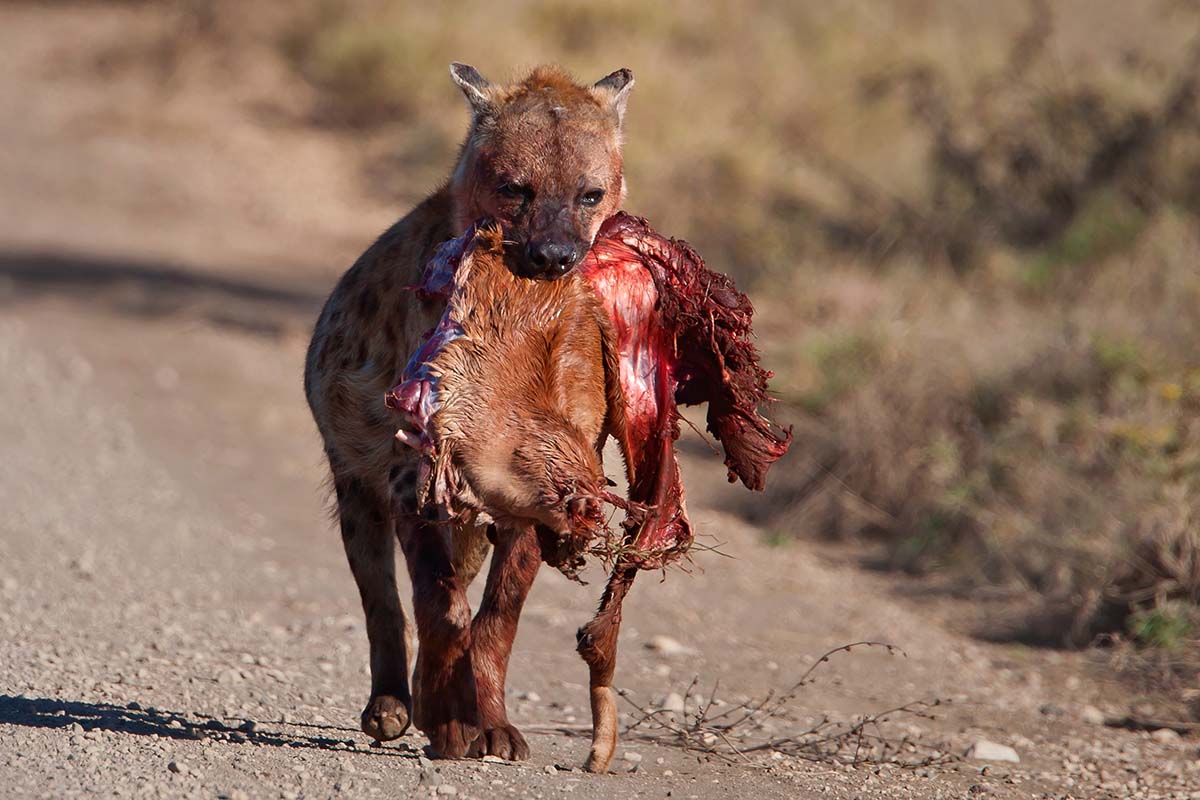
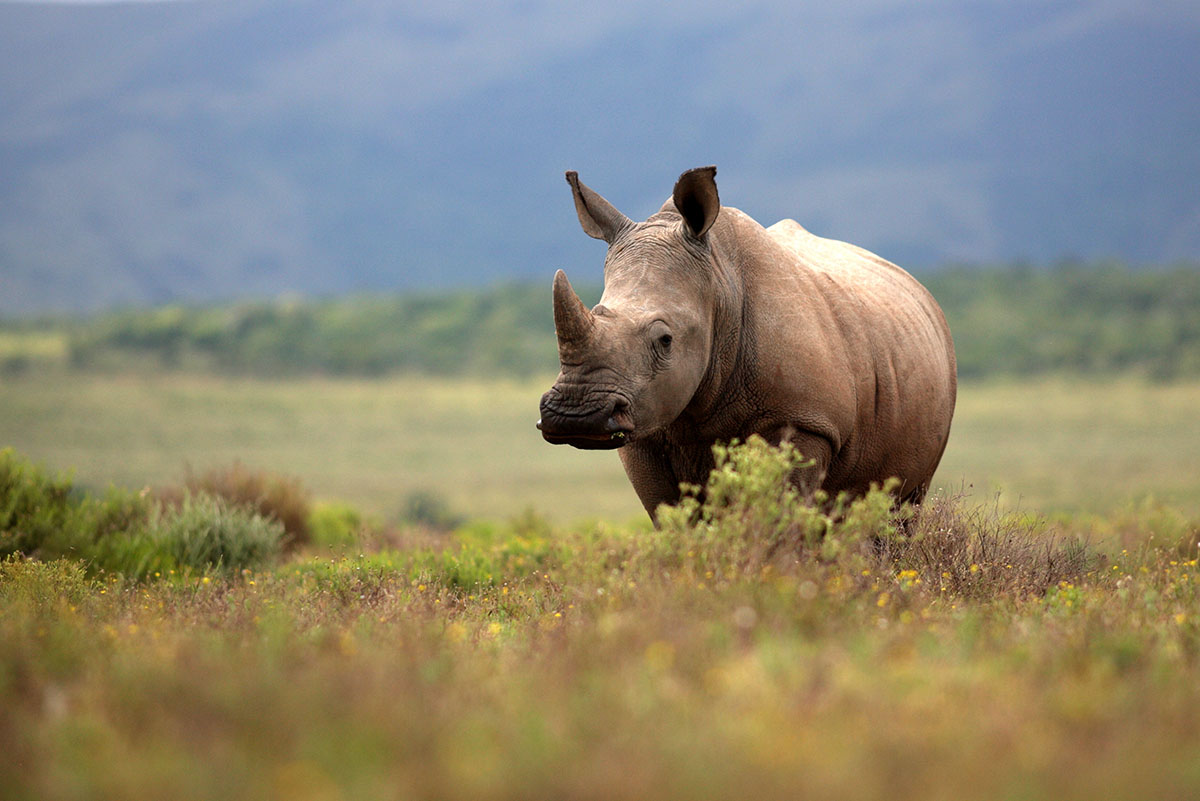
Pilanesberg is home to the Big Five, including both black and white rhinoceroses, as well as cheetah, African wild dog, brown hyena, giraffe, elephant, zebra and a wide variety of antelope and bird species.
Photography First, No Rushing
This trip is designed around creating great images, not simply ticking off species lists. In locations where we stay for several days, we will have time to revisit key areas, respond to recent wildlife sightings and return to particularly productive locations when conditions allow. This gives us more opportunities to improve compositions, work with different light and photograph a wider range of behaviours.
Downtime can be used for backing up files, charging equipment, taking part in photo reviews and relaxing – often by the pool overlooking the African landscape.
Photo-review sessions will take place throughout the trip. These give us an opportunity to discuss the photographs we have already taken, identify images or techniques we would like to improve and plan the types of photographs we want to create during upcoming sessions. We may explore new techniques, camera settings, composition and different ways of responding to wildlife behaviour. Everyone will also be able to ask specific questions and receive personalised advice from our expert wildlife photography guide.
How Will we Capture the Best Images?
Game drives take place around sunrise and sunset, when the light is often at its best and wildlife is particularly active. We also include night drives to search for and photograph nocturnal species. Drives generally last around 2.5–3.5 hours in open safari vehicles, with regular seat rotation to give everyone fair photographic opportunities.
Our boat excursions generally depart in the morning:
- Whale-watching excursion: approximately two hours
- Pelagic wildlife photography: a dedicated day trip
Ideal for Beginner and Experienced Photographers
Our experienced photography guide will support you throughout the trip with guidance in the field and regular photo-review sessions. Topics may include understanding animal behaviour, composition in dramatic light, action photography and selecting the best camera settings for safari and marine conditions.
The trip welcomes photographers of different experience levels. Guidance will be adapted to suit individual needs, whether you are learning the fundamentals or refining more advanced techniques.
Meet your Photography Guides
What’s Included?
- Professional guidance from a qualified ranger and experienced wildlife photographer
- A carefully designed itinerary focused on photography
- Visits to exceptional wildlife, bird and marine photography locations
- Travel timed to make the most of wildlife activity and photographic light
- Small group of no more than six guests
- Photo reviews and personalised feedback sessions
- Expert local guidance
- Pre-departure group meeting
Is This Photography Trip for You?
This trip could be ideal for you if:
- You are passionate about photographing wildlife, birds and marine life
- You enjoy long days in the field, sometimes from sunrise until sunset
- You want to improve your wildlife photography skills
- You enjoy travelling with a small group of like-minded photographers
- You are comfortable with some walking and changing weather conditions
- You are prepared for warm daytime temperatures as well as potentially cool or windy conditions during early starts, boat trips and night drives
Ready for Your South African Photography Adventure?
If you’re ready to take your photography to the next level among Africa’s extraordinary wildlife and landscapes, join Nature Talks on a journey designed to inspire and transform your creative vision.
Itinerary – South Africa Wildlife Photography Tour
This is a general itinerary for the South Africa wildlife photography tour and may be adjusted according to weather conditions, wildlife activity and other local factors.
Day 1: Cape Town Wildlife Photography – Kirstenbosch Botanical Gardens
Meet your expert photography guide, Benjamin Smail, and local tracker, Max, at Cape Town International Airport before collecting our Toyota Fortuner vehicles. We begin our South Africa wildlife photography tour at the world-renowned Kirstenbosch National Botanical Garden, one of the finest places in the country to photograph birds, reptiles, butterflies and spectacular native flora. Covering five of South Africa’s six major biomes, it provides an excellent introduction to the country’s incredible biodiversity.
Lunch will be at the garden restaurant, with an optional late-afternoon visit to Table Mountain if time and conditions allow. We then continue to our beachside accommodation in Langebaan for dinner.
Days 2–3: Caracals, Birds & Wildlife Photography in West Coast National Park
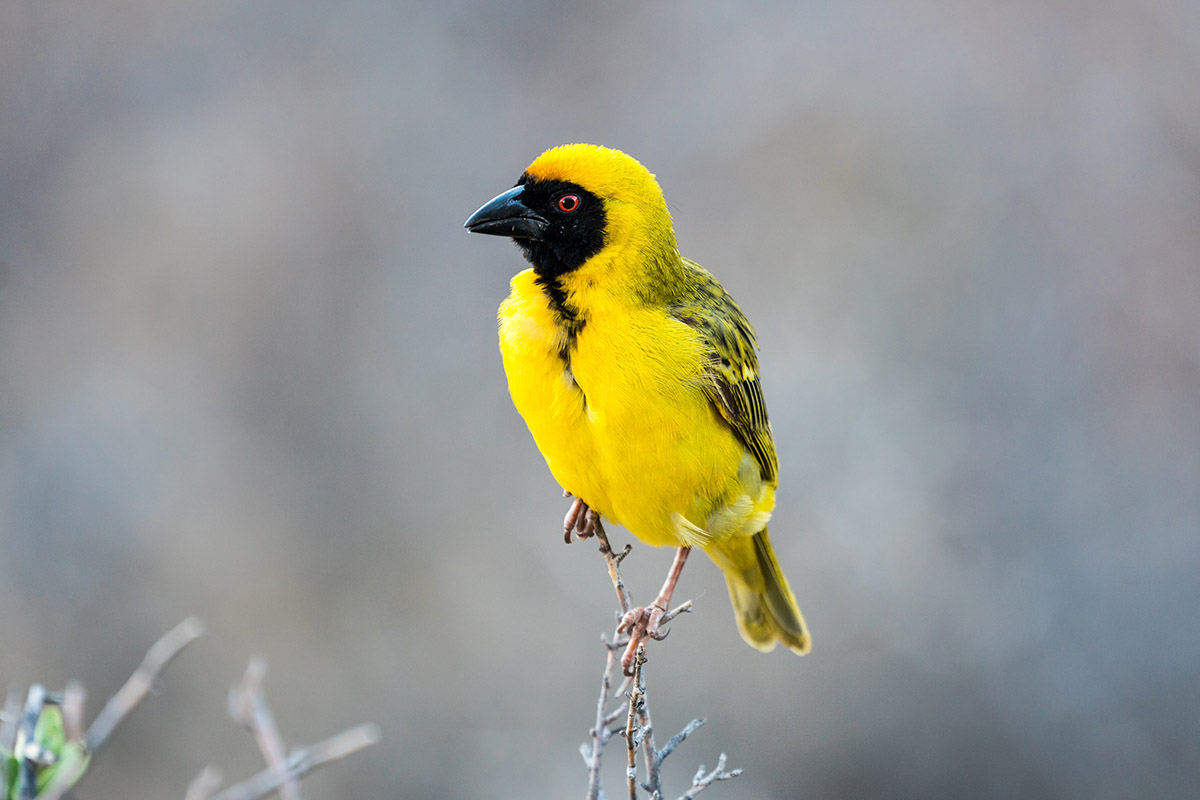
We make early starts to maximise the best photographic light and our chances of finding one of the Cape’s most sought-after predators: the elusive caracal. Other mammals regularly encountered include bontebok, red hartebeest, eland and ostrich. We’ll photograph from purpose-built hides overlooking lagoons and waterholes, where flamingos, spoonbills, weavers, storks and waders often approach at close range. This is also one of South Africa’s premier locations for the endangered black harrier.
On Day 3, after another morning in the park, we travel towards Simon’s Town, stopping at Intaka Island, one of Cape Town’s top urban bird photography sites. Here we search for kingfishers, the secretive little bittern and many of the 120 bird species recorded in the reserve, alongside Cape dwarf chameleons, Cape skinks and angulate tortoises.
Day 4: Cape Town Pelagic Wildlife Photography – Albatrosses, Whales & Dolphins
Today we board a privately chartered pelagic boat for a full-day seabird photography adventure. Albatrosses, giant petrels, Cape gannets and numerous other oceanic birds are possible, while whales and dolphins are regularly encountered offshore. We return to Simon’s Town in the evening.
Day 5: African Penguin & Caracal Photography – Cape of Good Hope
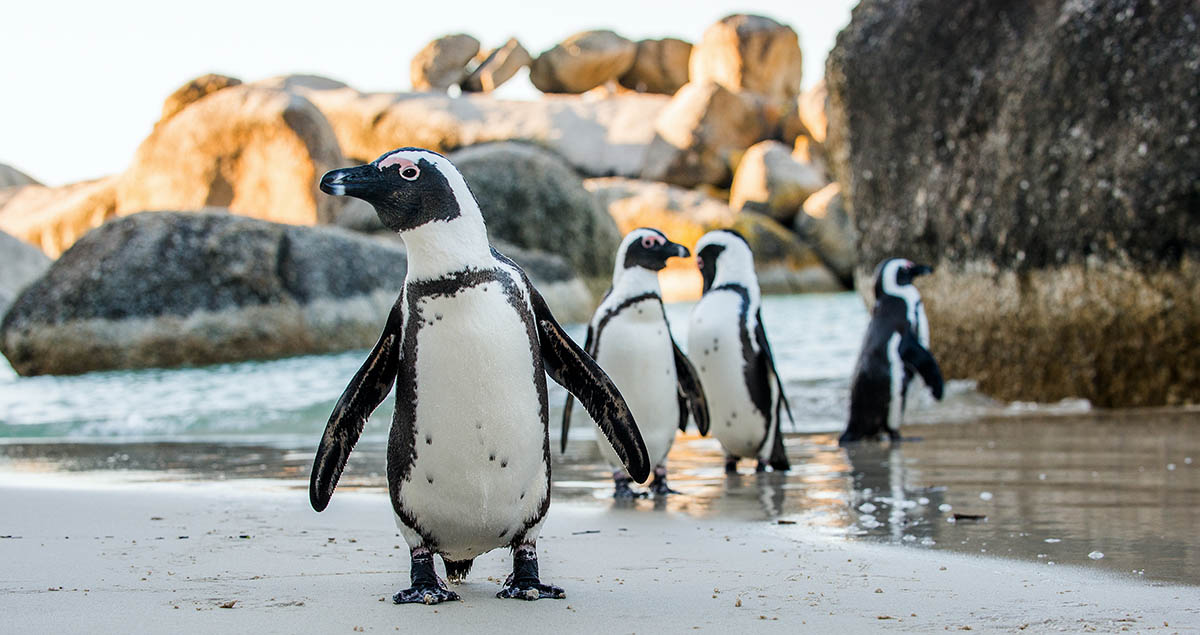
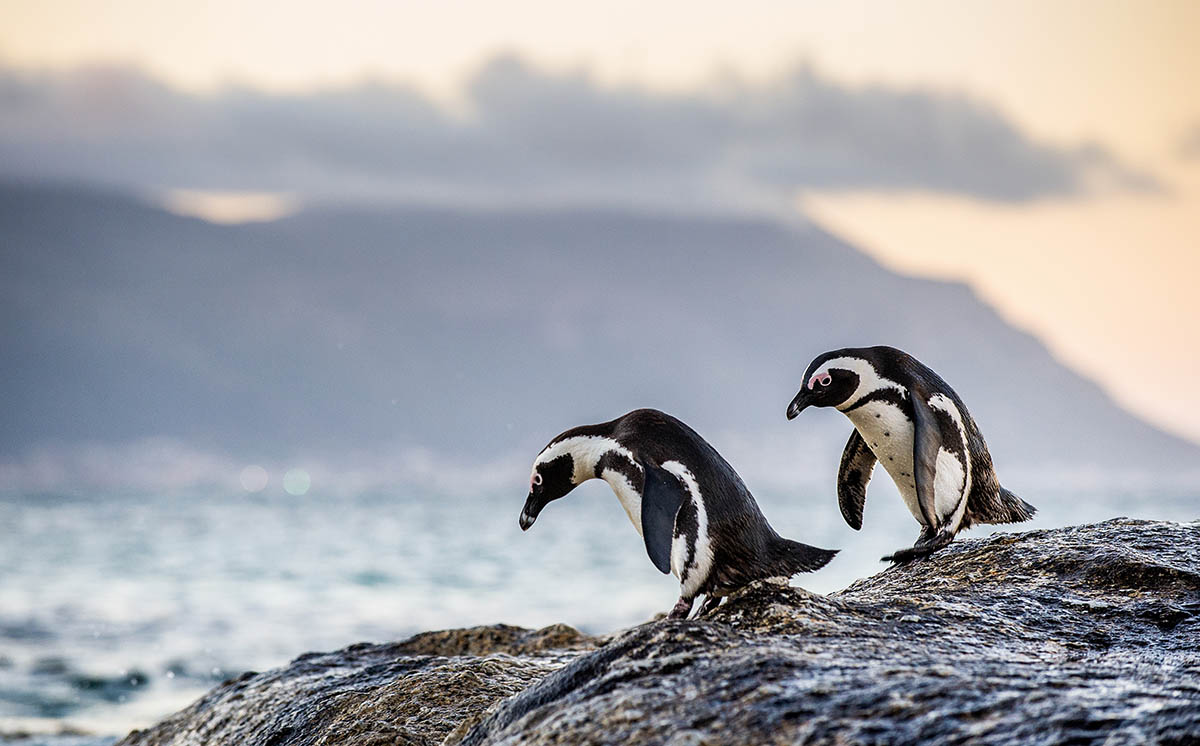
An early departure takes us into Cape of Good Hope National Park, where we search for caracal, ostriches, red hartebeest, Cape hyrax and tortoises amid dramatic coastal scenery. Later, we visit Boulders Beach to photograph its famous colony of endangered African penguins, often at remarkably close range.
Day 6: Cape Endemic Bird Photography – Rooi Els & Harold Porter
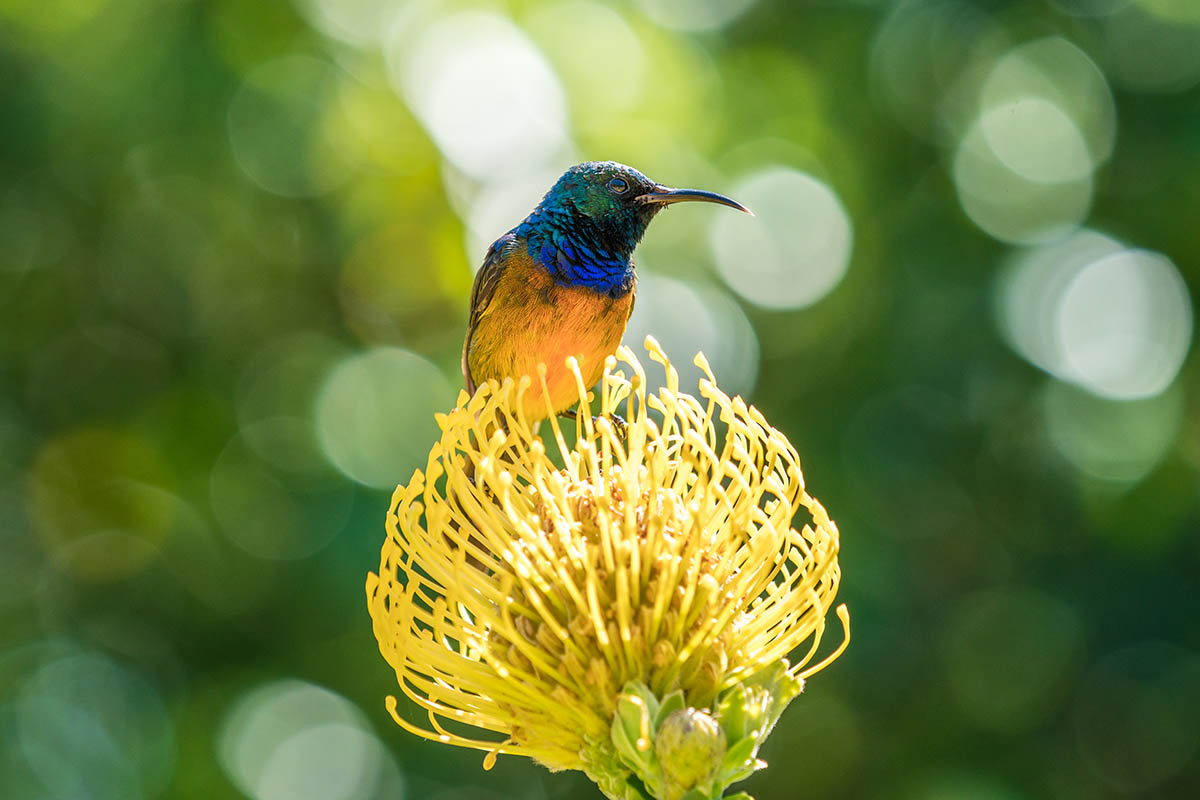
Where the Kogelberg Mountains meet the Atlantic Ocean, Rooi Els offers some of the best bird photography in the Cape. We target regional endemics including Cape rockjumper, the striking orange-breasted sunbird and the long-tailed Cape sugarbird. After lunch at Harold Porter Botanical Garden, we continue photographing birds, reptiles and the region’s exceptional flora.
Day 7: Hermanus Whale Photography & Journey to Oudtshoorn
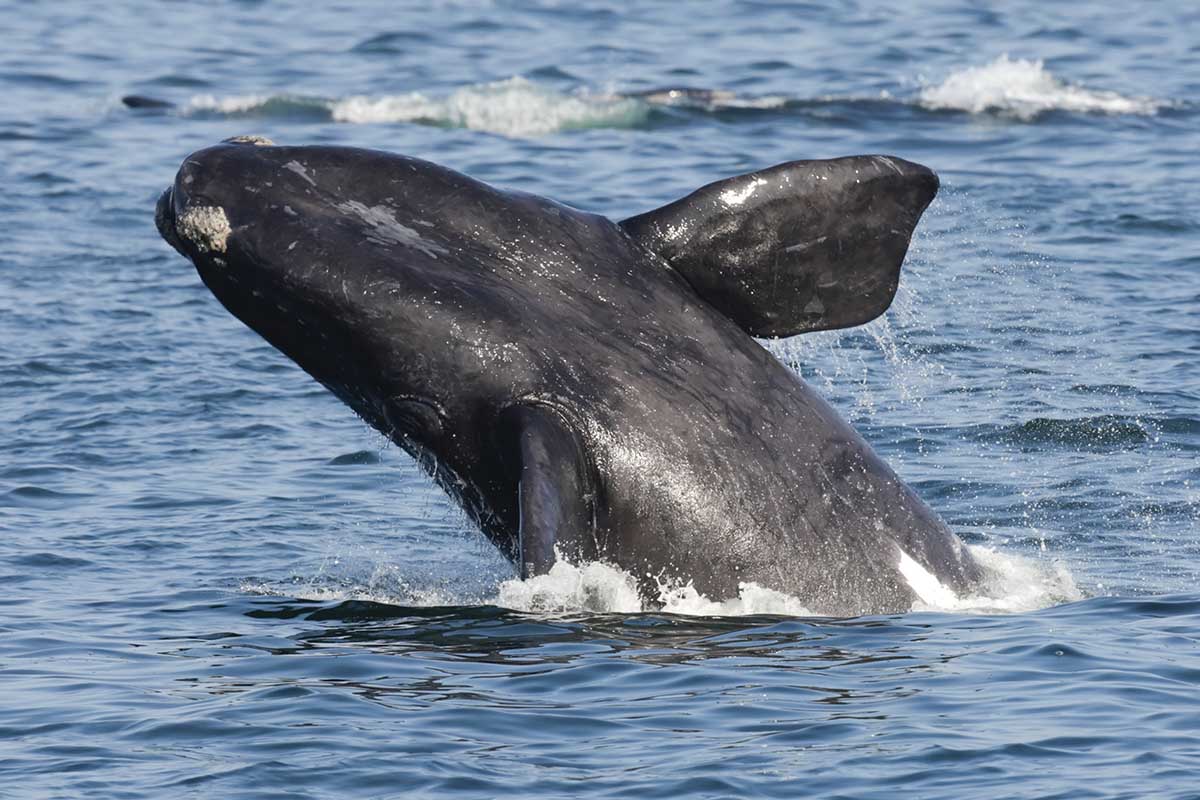
We begin with a whale-watching excursion from Hermanus, one of the world’s premier whale photography destinations. Southern right whales, humpback whales and resident Bryde’s whales are all possible, along with dolphins and seabirds. Afterwards, we drive to Oudtshoorn and our game lodge accommodation.
Day 8: Meerkat Photography, Swartberg Pass & Karoo Safari
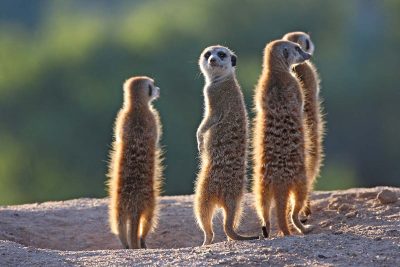
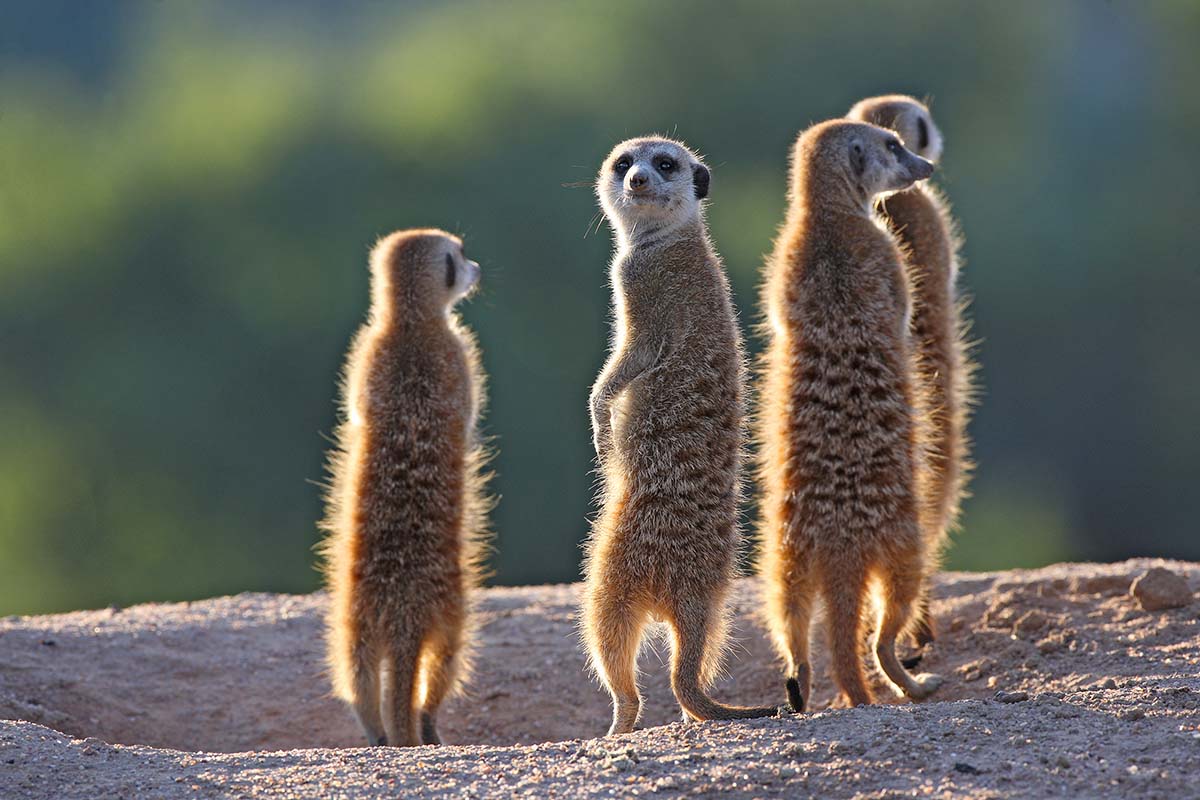
An early start brings unforgettable opportunities to photograph habituated meerkats as they bask in the morning sun—perfect for both telephoto and wide-angle images. We then cross the spectacular Swartberg Pass, renowned for its dramatic mountain scenery, before arriving at Karoo National Park.
Time permitting, we enjoy an afternoon safari searching for lions, black rhinoceros, gemsbok and Cape mountain zebra.
Day 9: Karoo National Park Wildlife Photography & Night Safari
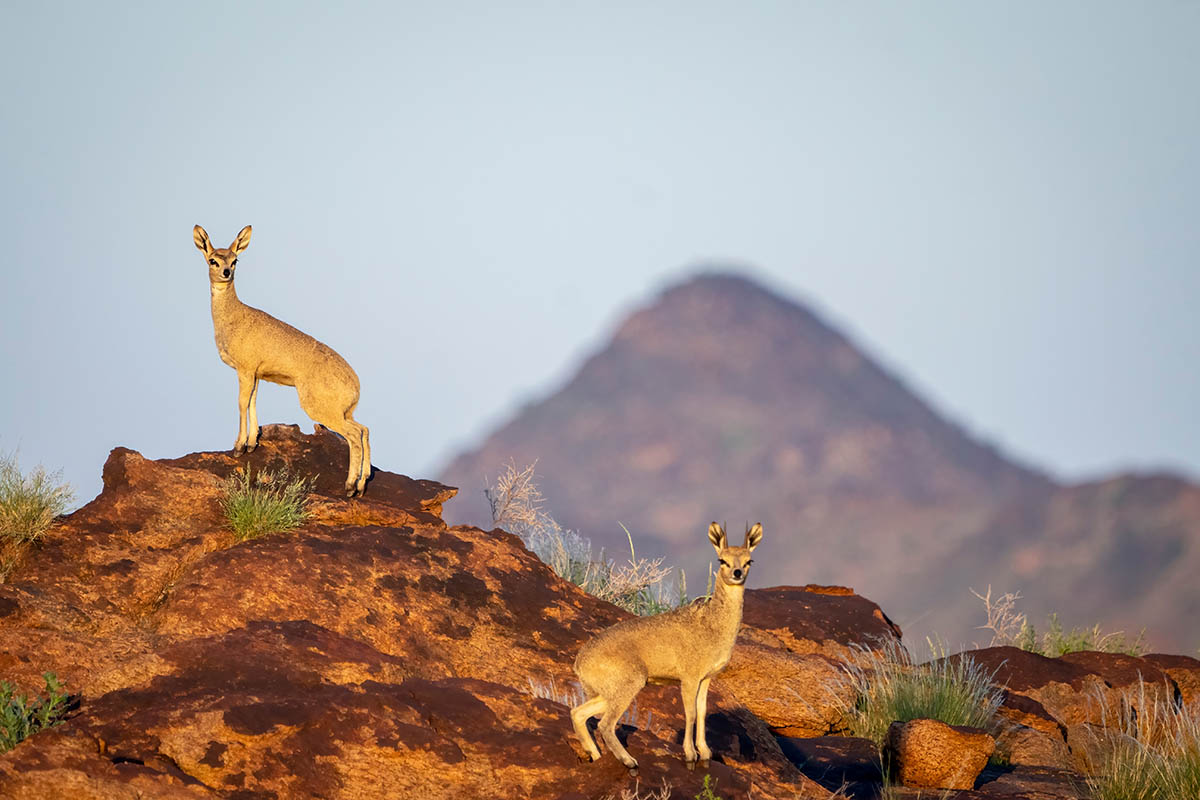
With morning and night game drives, today showcases Karoo National Park at its most active. Spotlit evening safaris can reveal remarkable nocturnal wildlife, while daytime offers chances to photograph lions, Verreaux’s eagles, black rhinoceros, klipspringers and, with luck, caracal or aardwolf.
Days 10–11: Aardvark & Nocturnal Wildlife Photography in the Khoisan Karoo
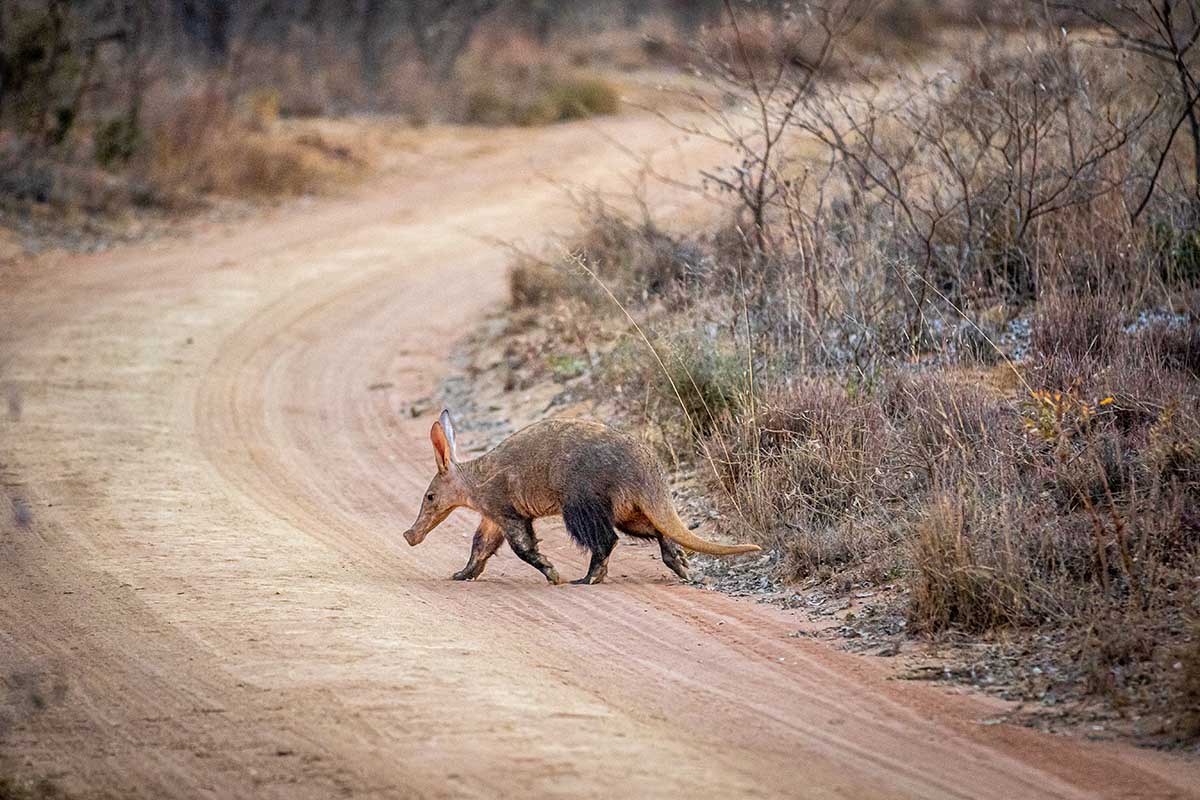
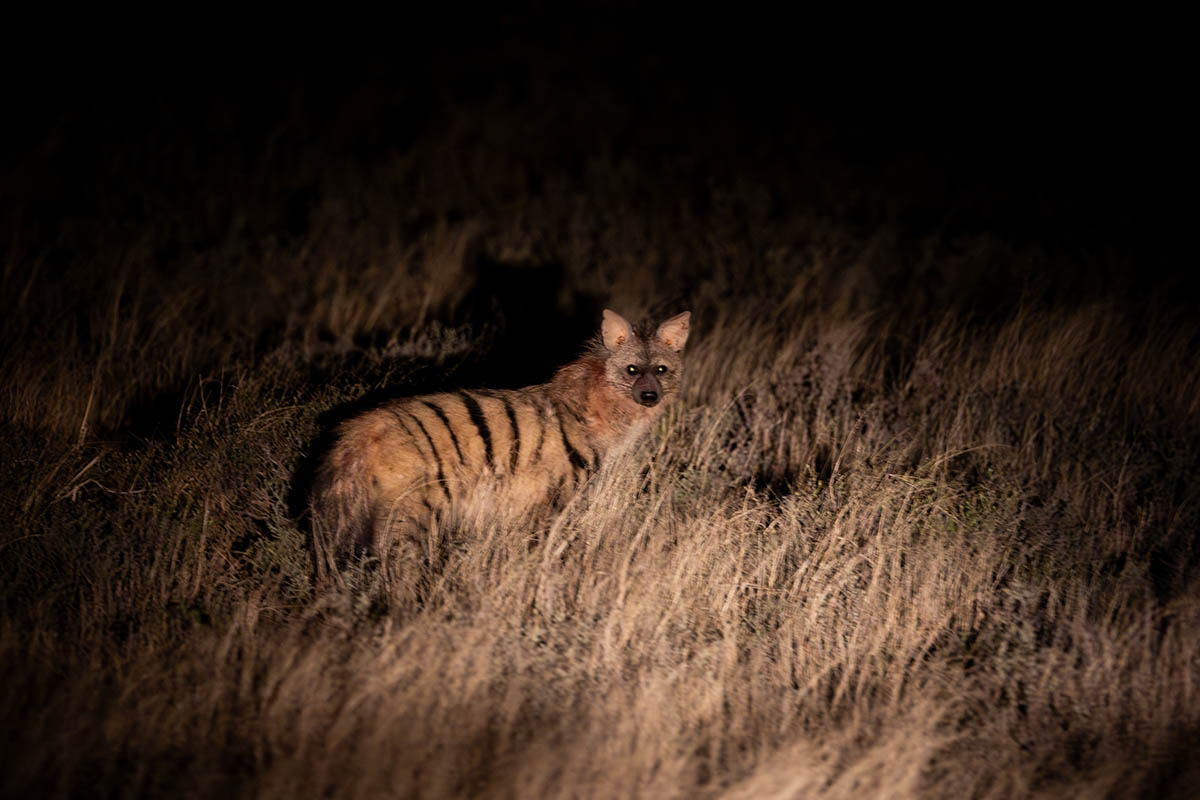
Following a final morning drive in Karoo National Park, we continue to the Khoisan Karoo Conservancy for sunset, night and morning safaris. This outstanding wildlife photography destination offers opportunities for aardvark, aardwolf, Cape fox, African wildcat and other nocturnal mammals.
During the day, you’ll have the opportunity to rest or walk around the area. You may encounter eastern rock sengi—a type of elephant shrew—along with blue crane, blue korhaan and double-banded sandgrouse.
Day 12: Final Khoisan Karoo Safari & Transfer to Odendaalsrus
After one last morning safari in the Khoisan Karoo, we drive to Oldendaalsrus for our overnight stay before continuing north.
Days 13–15: Big Five Wildlife Photography in Pilanesberg National Park
We spend the final three days exploring Pilanesberg National Park, one of South Africa’s finest safari destinations.
Morning and afternoon game drives maximise the best light for wildlife photography while offering chances to encounter the Big Five, both African rhinoceros species, cheetah, African wild dog, brown hyena and an impressive diversity of birds. Between drives, there is time to relax or continue photographing around the lodge. Our private chef prepares dinner each evening.
Final Day: Pilanesberg Safari & Rhino Photography at Rietvlei Nature Reserve
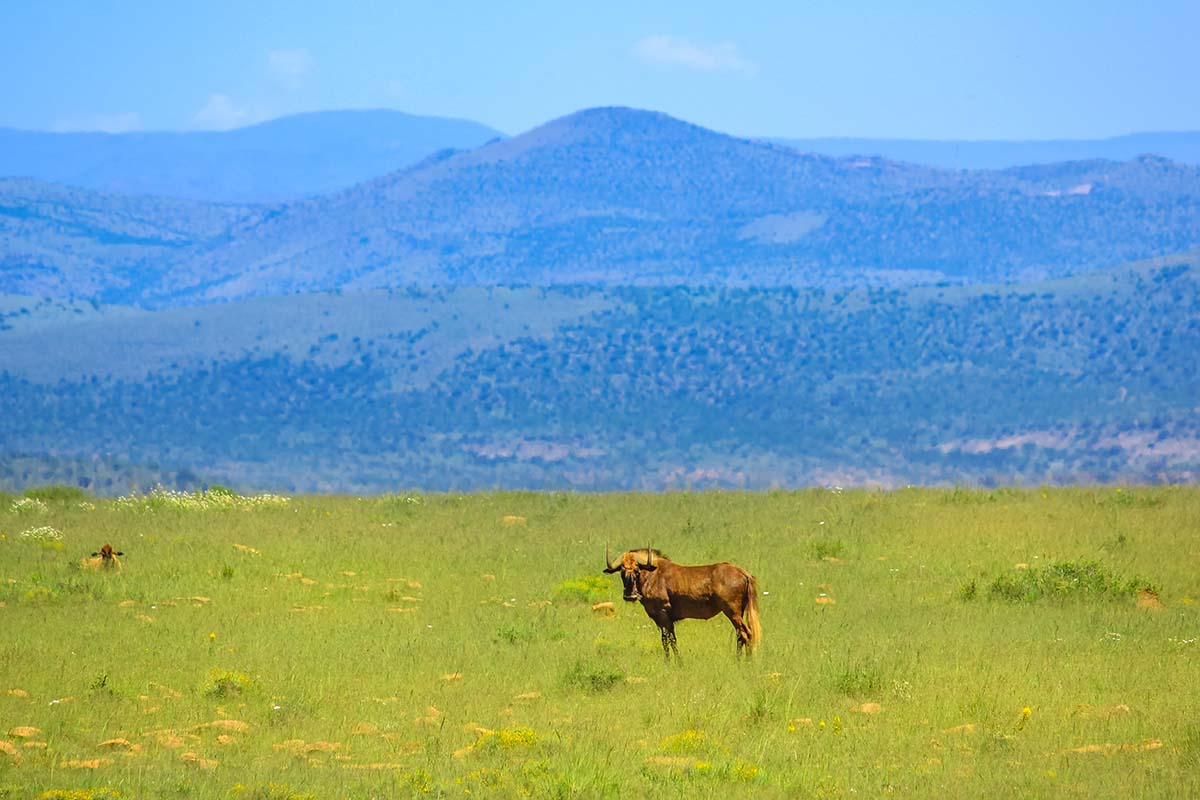
After a final morning safari in Pilanesberg, we travel to Rietvlei Nature Reserve for excellent opportunities to photograph black wildebeest, red hartebeest, white rhinoceros and blesbok before arriving at Johannesburg Airport at approximately 17:30.
By the end of this wildlife photography holiday, you’ll return home with memory cards full of extraordinary images, which might include whales, dolphins and African penguins, as well as lions, elephants, rhinoceroses, meerkats, caracals and countless birds, reptiles and landscapes—all captured alongside an experienced photography guide and knowledgeable local tracker.
Prices & Inclusions
Room Options & Conditions
This trip is available from £6,995 per person on a shared-room basis. The single-room supplement is £995.
- Shared twin room for one person: You will share a room with another participant of the same gender in separate beds. If we cannot find a suitable roommate, you will be required to pay the single-room supplement applicable to this trip.
- Double or twin room for two people: This option is ideal for couples or two friends travelling together. Please specify when booking whether you would prefer one double bed or two separate beds.
- Single room for one person: You will have sole use of a room, and a single-room supplement of £995 applies. In some cases, you may have sole use of a twin or triple room; the same supplement applies for sole occupancy.
Payment
Booking your place is simple and straightforward. Reserve online and we will send your invoice within seven days. You may pay by bank transfer, debit card or credit card, whichever is most convenient for you.
A 20% deposit secures your place, with the remaining balance due ten weeks before departure.
What is Included
- All accommodation based on twin-share rooms
- Full board, including breakfast, lunch and dinner, except possibly on the first and last days
- All transfers by vehicle
- Park entrance fees for all reserves
- Guidance from a wildlife photographer and local ranger
- All game drives
- Boat safaris
- All local English-speaking guides
- Financial protection scheme insurance
- Photography review sessions
- Pre-departure group meeting
What is Not Included
- International flights
- First-night hotel in Johannesburg, depending on the flight schedule
- Alcoholic drinks
- Personal expenses
- Travel and cancellation insurance
- Additional hand luggage on domestic flights
- Tips
- Single-room supplement
Practical Information – South Africa Photography Trip
Participants Meeting
To help you prepare for the trip, we organise a participants’ meeting so you can get to know your fellow travellers and have the opportunity to ask any questions.
Accommodation
We stay in lodges, hotels and B&Bs throughout the trip. We do not use tents. All rooms have en-suite bathrooms and air conditioning. Bookings are based on a shared twin room with separate beds, but a single room is available at an additional cost.
Physical Demands
This is not a particularly strenuous trip, but you should be comfortable with longer periods of sitting. We travel regularly, with some days involving several hours in the vehicle. We make frequent stops and, where necessary, have lunch en route. During game drives we also stop periodically to stretch our legs. In some parks, we also photograph on foot.
Tipping
As a guideline, allow approximately £10 per safari day for tips.
Flights
This trip does not include international flights. Once there are sufficient participants for the trip to go ahead, you will receive an email with advice on which flights to book. If you prefer, we can assist you with booking. At the time of writing, Air France offers the most practical flight times and operates in partnership with KLM.
Local Transport
Transport in South Africa is by one or two spacious hire vehicles. There are no domestic flights. Game drives are conducted as much as possible in private safari vehicles, ensuring plenty of space to move around and photograph comfortably.
Recommended Photography Equipment
- Camera(s), including video capability if desired
- Lenses from wide-angle to telephoto (minimum 400mm) + optional extender(s)
- Laptop and cables (including USB)
- External hard drive / SSD (ideally two)
- Tripod / monopod
- Remote shutter release (wired or wireless)
- Beanbag / camera support bag
- Sufficient batteries + chargers
- Enough memory cards + card reader
- Camera manual
- Torch / headlamp
- Optional flash
- Spare batteries (for flash, remote controls, etc.)
- Good camera bag (check hand luggage size restrictions)
- Rain covers for equipment (optional)
- Lens cloth
- Blower for dust removal
- Filters (polarising, ND, graduated, etc.)
- Universal travel adapter (and possibly a multi-plug extension)
Climate and Clothing
Daytime temperatures average around 20–25°C, while at night they drop to around 10–15°C. We recommend dressing in layers so you can adjust to changing conditions, especially during night drives.
Bring windproof and waterproof clothing for boat trips. Sturdy walking shoes are useful for safaris, while flip-flops or sandals are ideal at the lodge. Also bring a cap, sunscreen and lip balm.
Vaccinations
For the most up-to-date information on required or recommended vaccinations, please consult official UK travel advice for South Africa: GOV.UK – South Africa Health Advice.
Passport and Visa
For travel to South Africa, you need a valid passport. Your passport must be valid for at least 3 months beyond your date of arrival in South Africa. Please ensure it is valid well beyond your planned return date in case of any changes to your itinerary. At the time of writing, no visa is required for UK citizens, but please check official South African government advice before departure to confirm this remains the case.
We wish you an unforgettable experience – Let Nature Talk.
BOOK YOUR TOUR HERE
Hold your place for free
Hold Your Place for Free
Not quite ready to book? You may need time to check your availability, speak to your employer or discuss the trip with your travel companion. You can request a free, no-obligation provisional reservation through our website, by email or by phone.
How long will we hold your place?
- If the trip departs within 10 weeks, your provisional reservation will be valid for 48 hours.
- If the trip departs in 10 weeks or more, your provisional reservation will be valid for seven days.
Subject to availability, we will provisionally reserve your place for this period. If another customer wishes to book the final available place, we will contact you and give you the opportunity to confirm your booking.
There is no obligation to book. If you do not confirm before the provisional reservation expires, it will automatically be released.
Book with Confidence
In the unlikely event that Nature Talks UK cancels your trip, we will contact you promptly and provide the refund to which you are entitled under our booking conditions and applicable UK consumer law.
| Wildlife Photography Tour South Africa | |
| Departure | 04-11-2027 |
| Return | 19-11-2027 |
| Travel duration | 16 |
| Guaranteed departure | Yes |
| Available places | 4 |
| Price | From £6995 |
| Max participants | 6 |
| Included |
|---|
|
| Not Included |
|---|
|
Photograph Africa’s Big Five
Photograph African penguins at beautiful Boulders Beach
Explore the dramatic landscapes of the Karoo
Track elusive caracals along the Cape coast
Seek aardvarks and wildcats on night safaris
Receive expert photography tuition throughout
Travel with just six photographers
Photograph albatrosses on a private pelagic trip
Capture meerkats basking in golden morning light
zambia
Photo Gallery

Andere fotoreizen
-

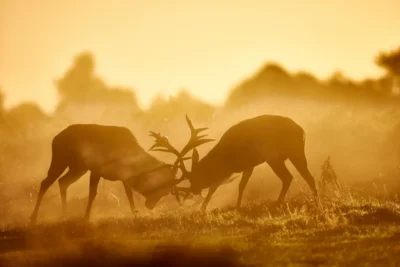
Richmond Park Deer Rut Photography Workshop
£139.00 Select options This product has multiple variants. The options may be chosen on the product page -
Photography Tour Isle of Mull
£2,199.00 Select options This product has multiple variants. The options may be chosen on the product page -
Landscape Photography Tour Cairngorms
£2,398.00 Select options This product has multiple variants. The options may be chosen on the product page -
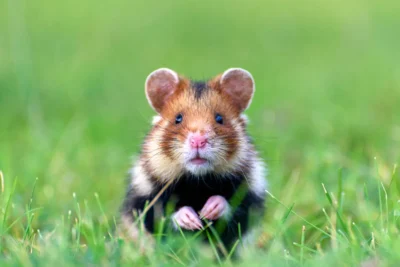
Hamsters & Ground Squirrels Photography Tour in Vienna
£895.00 Select options This product has multiple variants. The options may be chosen on the product page -
Hamsters & Ground Squirrels Photography Tour in Vienna
£895.00 Select options This product has multiple variants. The options may be chosen on the product page -
Slovenia Spring Bird Photography Tour
£2,550.00 Select options This product has multiple variants. The options may be chosen on the product page -
Slovenia Spring Bird Photography Tour
£2,550.00 Select options This product has multiple variants. The options may be chosen on the product page -
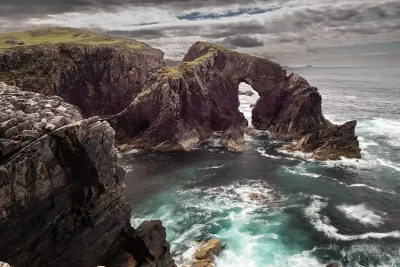
Photography Tour Harris and Lewis
£2,295.00 Select options This product has multiple variants. The options may be chosen on the product page -
Photography Tour Isle of Skye in Scotland
£2,295.00 Select options This product has multiple variants. The options may be chosen on the product page -
Photography Tour of Madagascar
£5,995.00 Select options This product has multiple variants. The options may be chosen on the product page -
Canada’s Wild Pacific Coast – Landscape Photography Tour
£3,795.00 Select options This product has multiple variants. The options may be chosen on the product page -
Wildlife Photography Tour South Africa
£6,995.00 Select options This product has multiple variants. The options may be chosen on the product page -
Bird Photography Tour to Slovenia: Floating Hides
£2,749.00 Select options This product has multiple variants. The options may be chosen on the product page -
Bird Photography Tour to Slovenia: Floating Hides
£2,749.00 Select options This product has multiple variants. The options may be chosen on the product page -
Photography Tour Isle of Mull
£2,199.00 Select options This product has multiple variants. The options may be chosen on the product page -
Wildlife Photography Holiday in Zimanga South Africa
£5,795.00 Select options This product has multiple variants. The options may be chosen on the product page -
Wildlife Photography Holiday in Zimanga South Africa
£5,595.00 Select options This product has multiple variants. The options may be chosen on the product page -
California Photo Tour – Bobcats, Elephant Seals, Whales & More
£4,395.00 Select options This product has multiple variants. The options may be chosen on the product page -
Photography Tour Isle of Mull
£2,199.00 Select options This product has multiple variants. The options may be chosen on the product page -
Photography Tour Isle of Mull
£2,199.00 Select options This product has multiple variants. The options may be chosen on the product page -
Finland Photography Trip: Bears, Black Grouse, Capercaillie
£1,950.00 Select options This product has multiple variants. The options may be chosen on the product page -
Wildlife Photography Tour of Finland’s Brown Bears & Cubs
£2,219.00 Select options This product has multiple variants. The options may be chosen on the product page -
Spring Landscape Photography Tour Harris and Lewis
£2,495.00 Select options This product has multiple variants. The options may be chosen on the product page -
Photography Tour Isle of Mull
£2,199.00 Select options This product has multiple variants. The options may be chosen on the product page -
Landscape Photography Tour Cairngorms
£2,398.00 Select options This product has multiple variants. The options may be chosen on the product page -
Photography tour Isle of Skye in Scotland
£2,295.00 Select options This product has multiple variants. The options may be chosen on the product page -
Photography tour Harris and Lewis
£2,495.00 Select options This product has multiple variants. The options may be chosen on the product page -
Wildlife Photography Tour of Finland’s Brown Bears & Cubs
£2,119.00 Select options This product has multiple variants. The options may be chosen on the product page -
Bird Photography Tour to Slovenia: Floating Hides
£2,749.00 Select options This product has multiple variants. The options may be chosen on the product page -
Bird Photography Tour Gambia & Senegal – A Bird Paradise in West Africa
£3,849.00 Select options This product has multiple variants. The options may be chosen on the product page