Photography Trip to Madagascar for Unique & Exotic Wildlife
18 days | 27 October 2026 – 13 November 2026 ( Fully Booked )
18 days | 27 October 2027 – 13 November 2027 ( only 3 places left )
Madagascar is one of the world’s most extraordinary destinations for a wildlife photography tour. Separated from mainland Africa around 160 million years ago, the island evolved in isolation and is now home to exceptional levels of endemism, with more than 80% of its plants and animals found nowhere else on Earth. For photographers, that means an unrivalled chance to capture species and ecosystems that simply do not exist anywhere else.
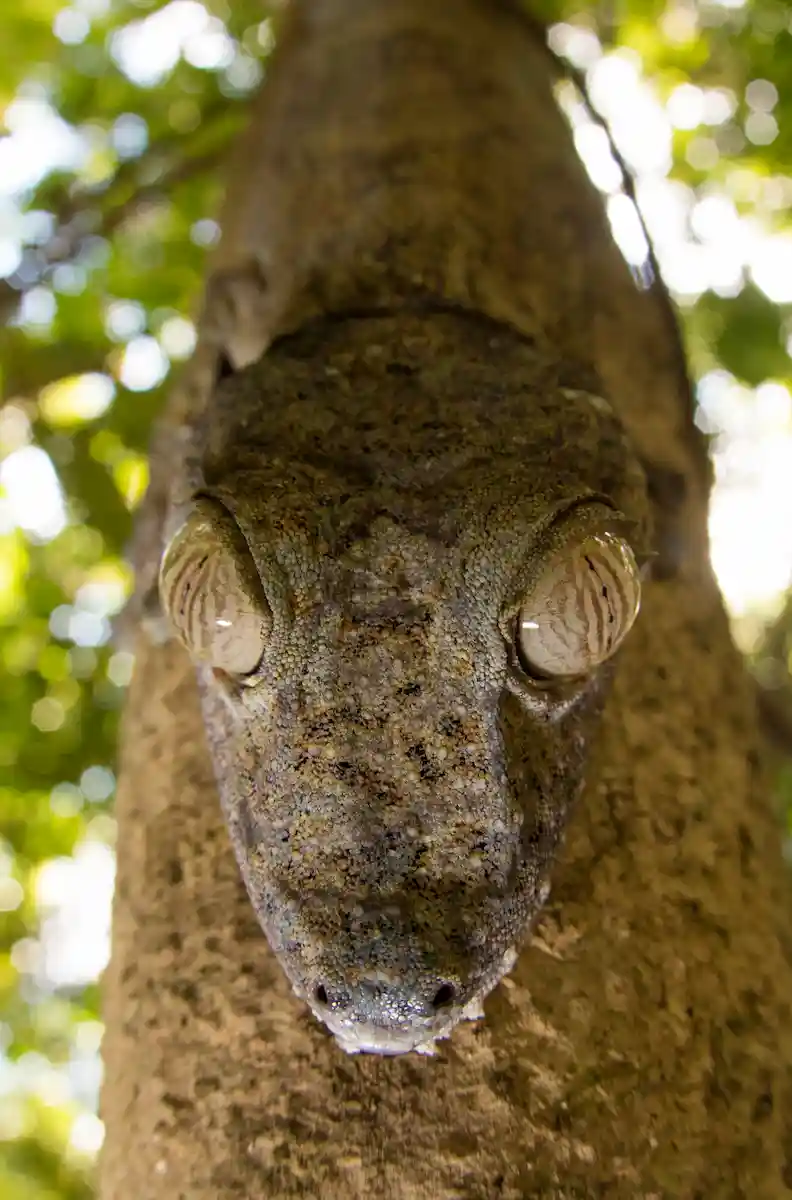
On this Madagascar wildlife photography tour, we focus on the rainforests of Andasibe and Masoala, two of the island’s richest regions for biodiversity and some of the best places to photograph lemurs, chameleons, day geckos, leaf-tailed geckos, frogs, orchids, butterflies, and other endemic wildlife. The tour is led by rainforest specialist photographer and zoologist Louis Guillot.
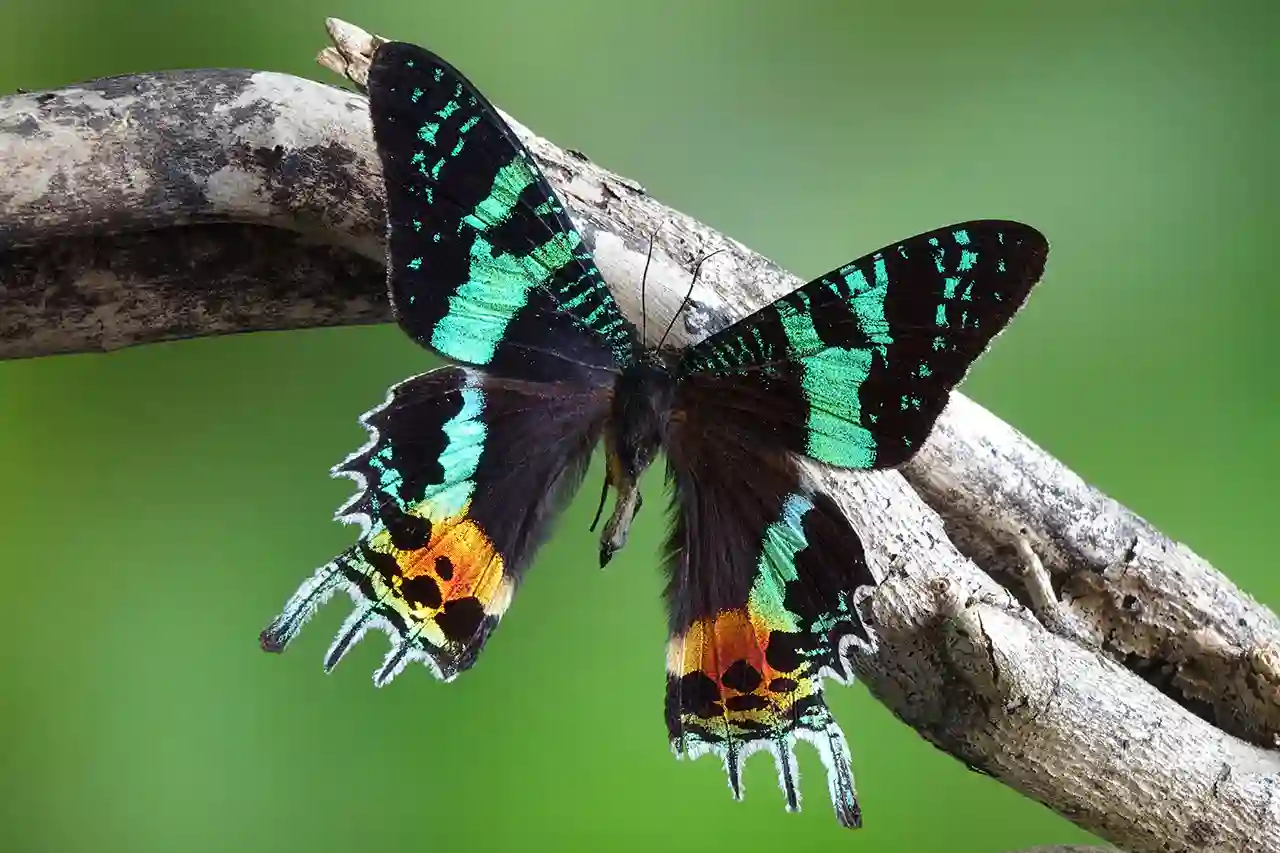
If you want to photograph Madagascar’s most unusual wildlife, from tiny mouse lemurs and giant chameleons to bizarre aye-ayes, vibrant blue butterflies and brilliantly camouflaged reptiles, join nature talks for a rainforest photography adventure.
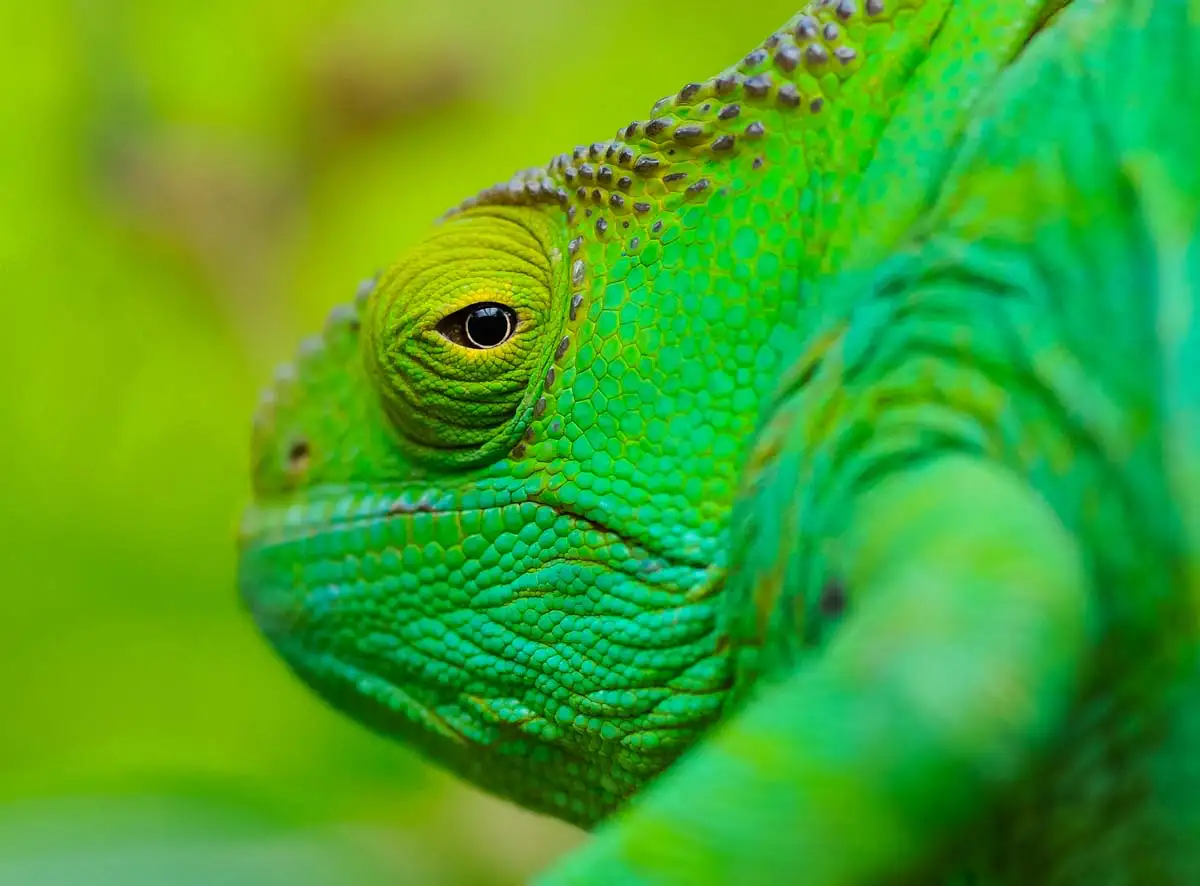
Andasibe and Masoala – Rainforest Photography Trip Madagascar
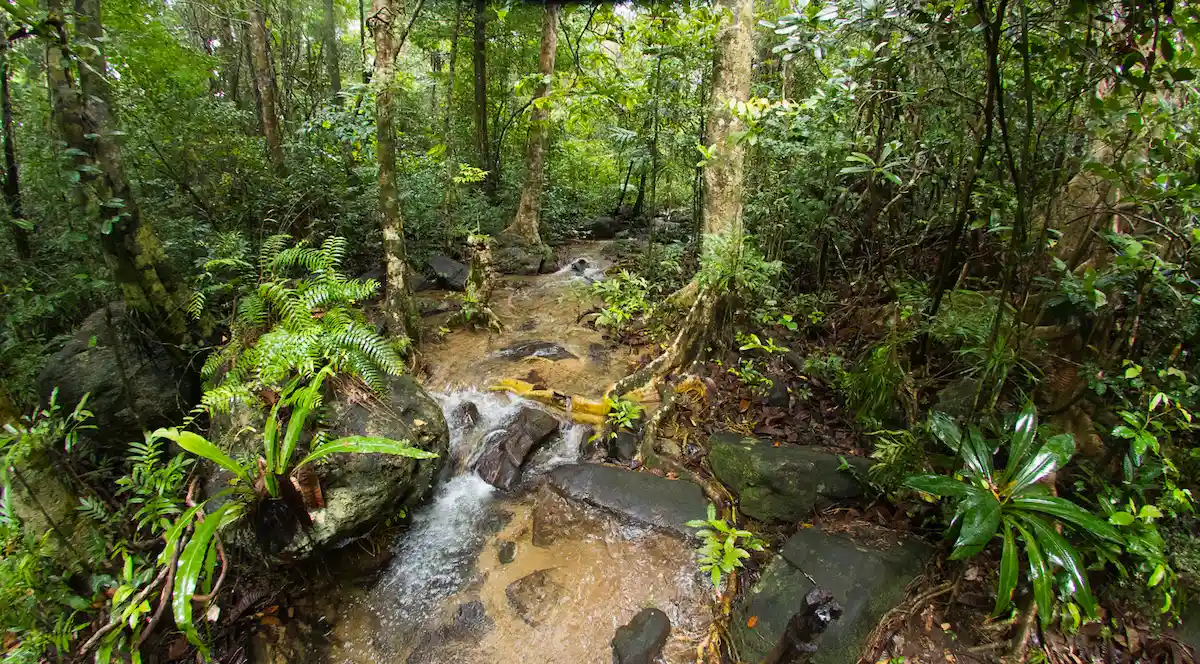
This wildlife photography trip offers an extraordinary amount of nature experiences and photographic opportunities in Madagascar. We will visit two pristine rainforests on the eastern side of the island, both rich in biodiversity: the tropical and mountainous interior around Andasibe and the lowland rainforest of Masoala, situated on a coastal peninsula. Here, we can venture off the beaten path and discover the spectacular variety of flora and fauna that Madagascar has to offer, featuring species found nowhere else in the world.
We’ll also immerse ourselves in local culture during various excursions outside the rainforests, where we’ll experience the warmth and hospitality of the local people welcoming us.
What Might You See?
“In the rainforest, you never quite know what you’ll see and that’s exactly what makes it so exciting. But don’t worry, you will see plenty,” says Louis, our rainforest photography guide and zoologist.
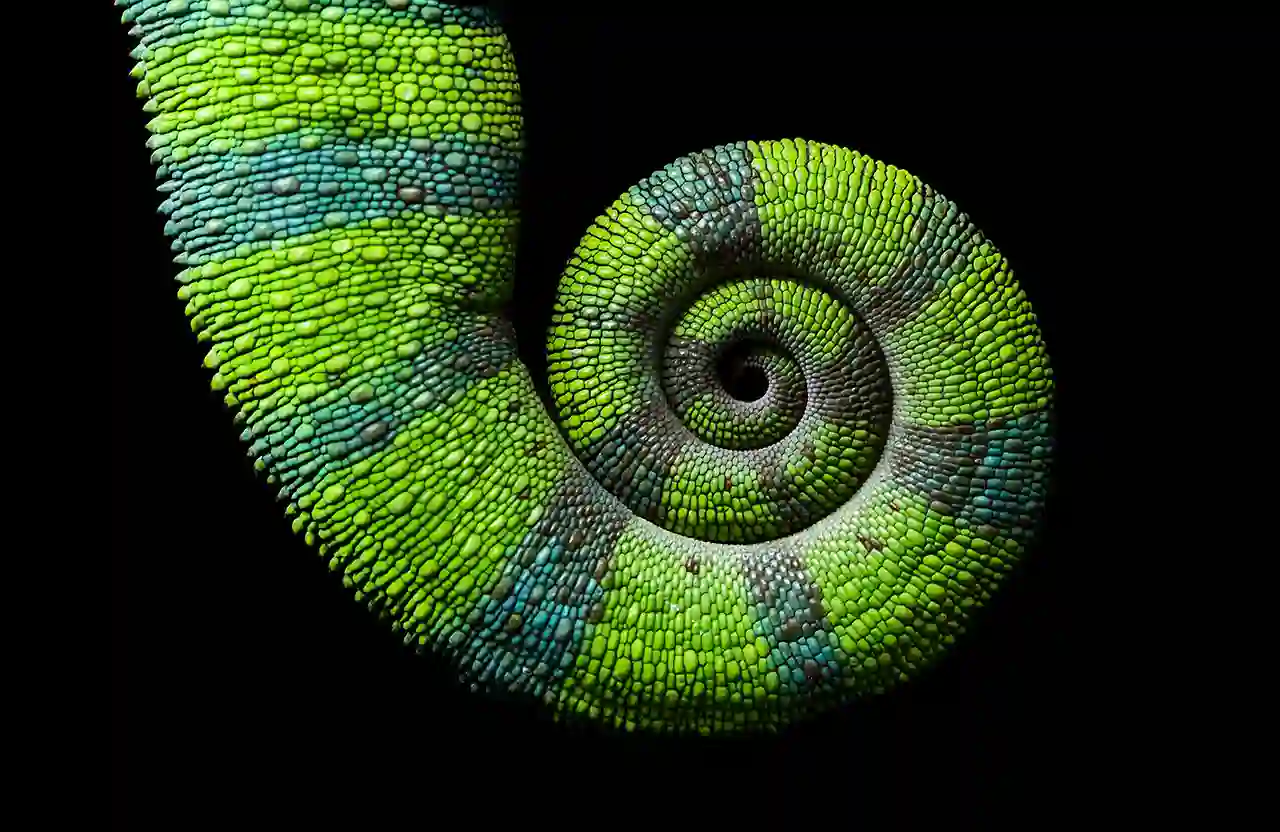
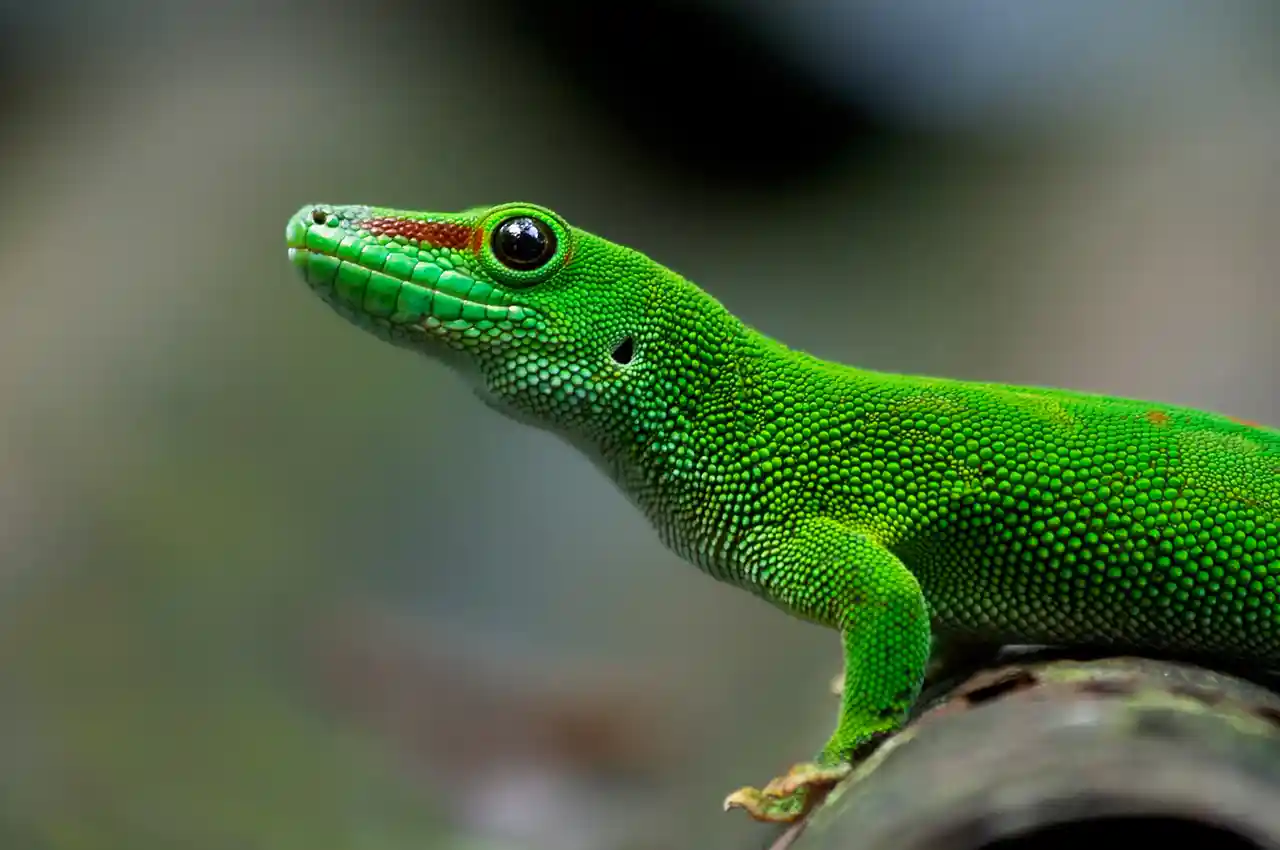
On this Madagascar wildlife photography tour, we’ll be searching for an astonishing variety of animals, from colour-changing chameleons and geckos to lemurs, frogs, insects, snakes, and birds. Many of the species here look unlike anything you may have seen before. Madagascar is a place of constant discovery, with new species still being described, especially among insects, so every walk in the forest feels full of possibility – you may even photograph a species new to science.
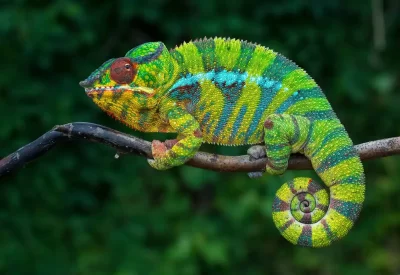
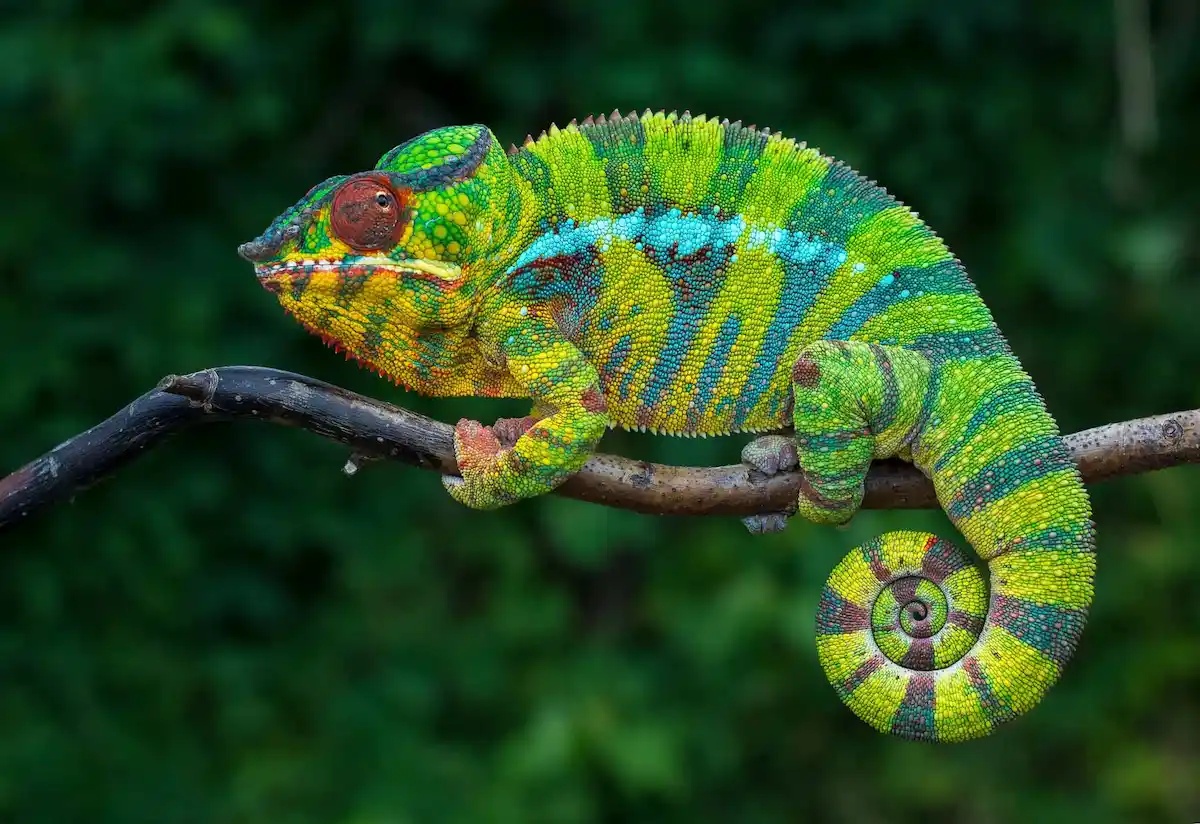
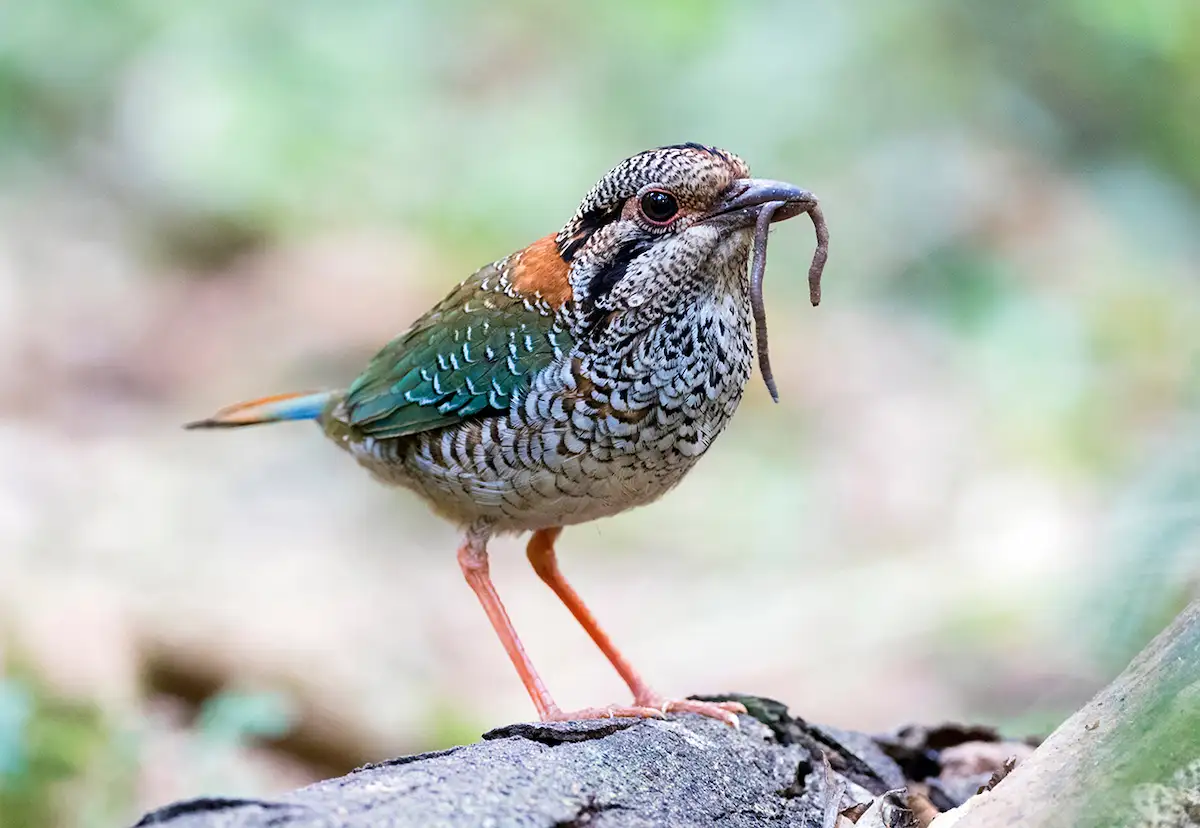
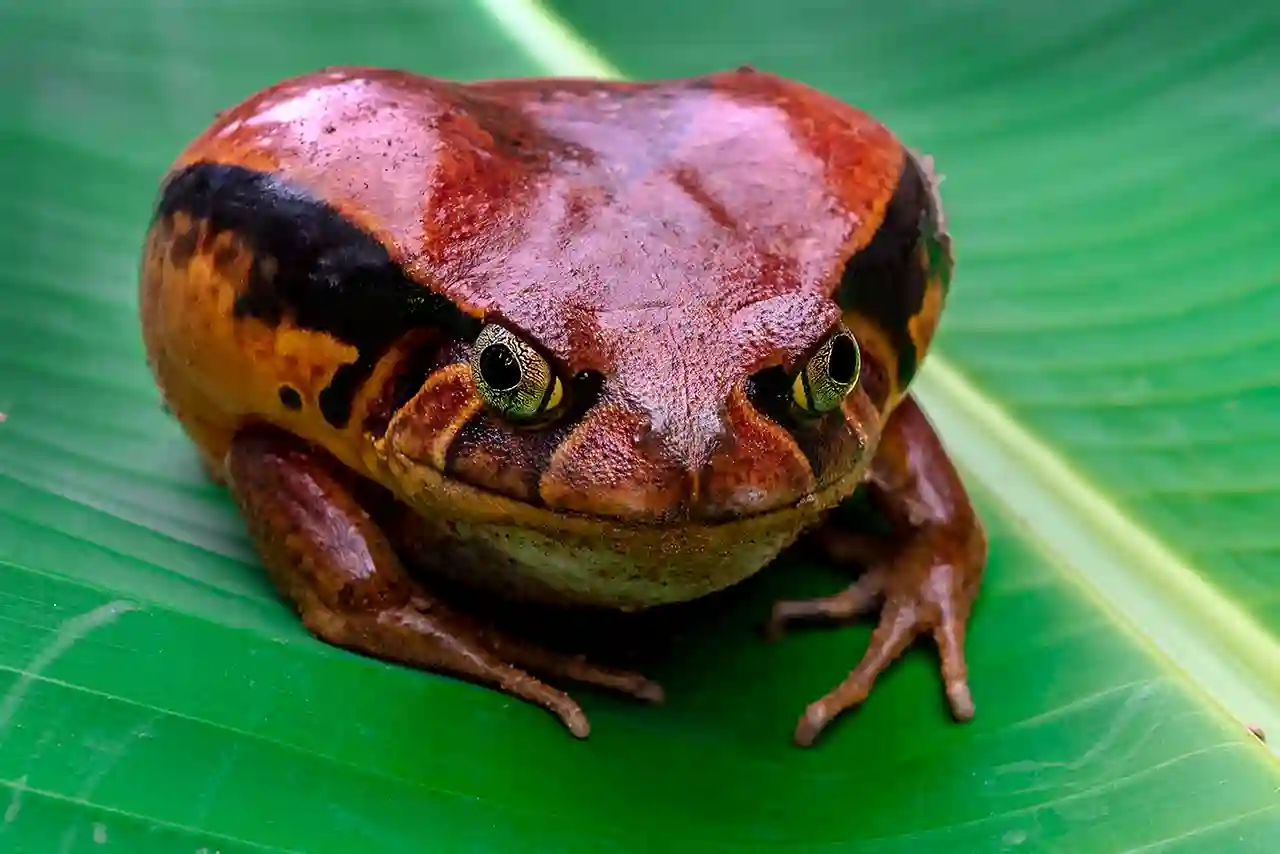
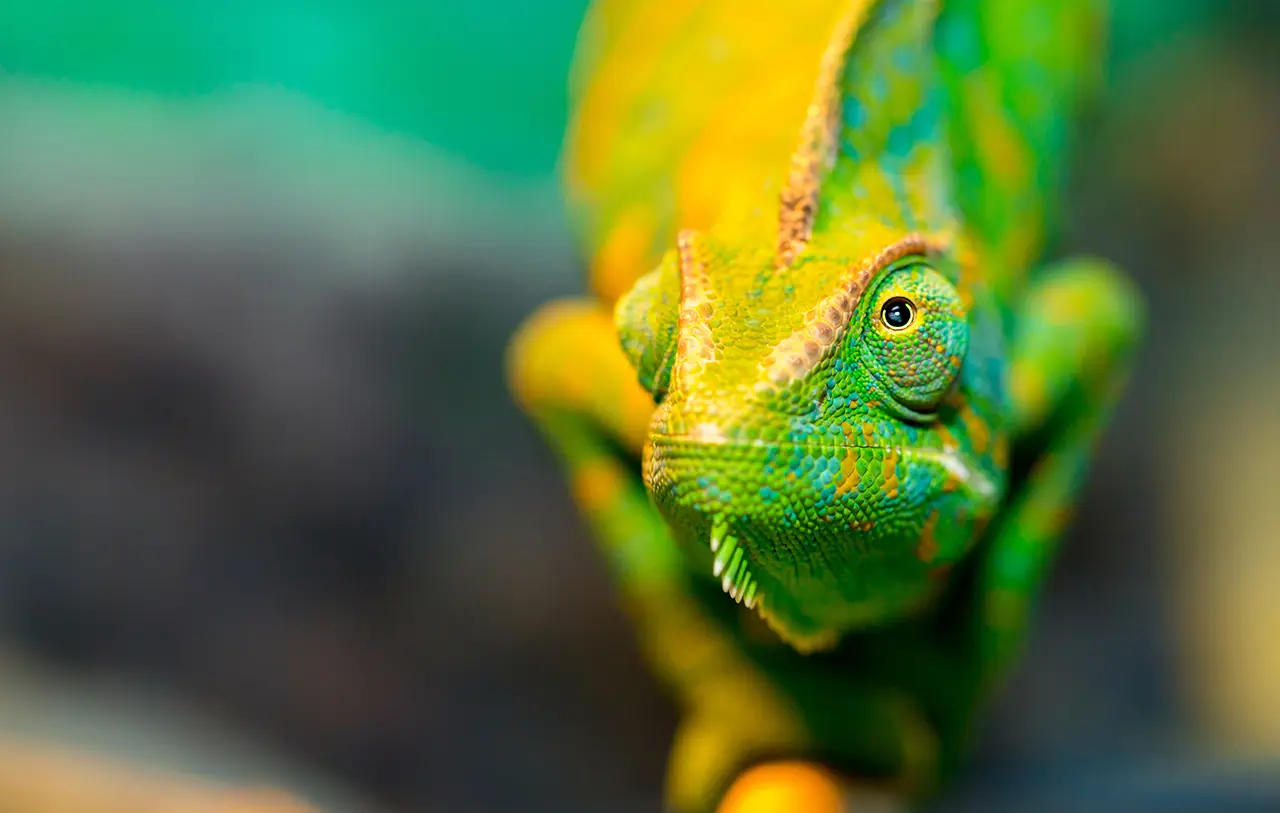
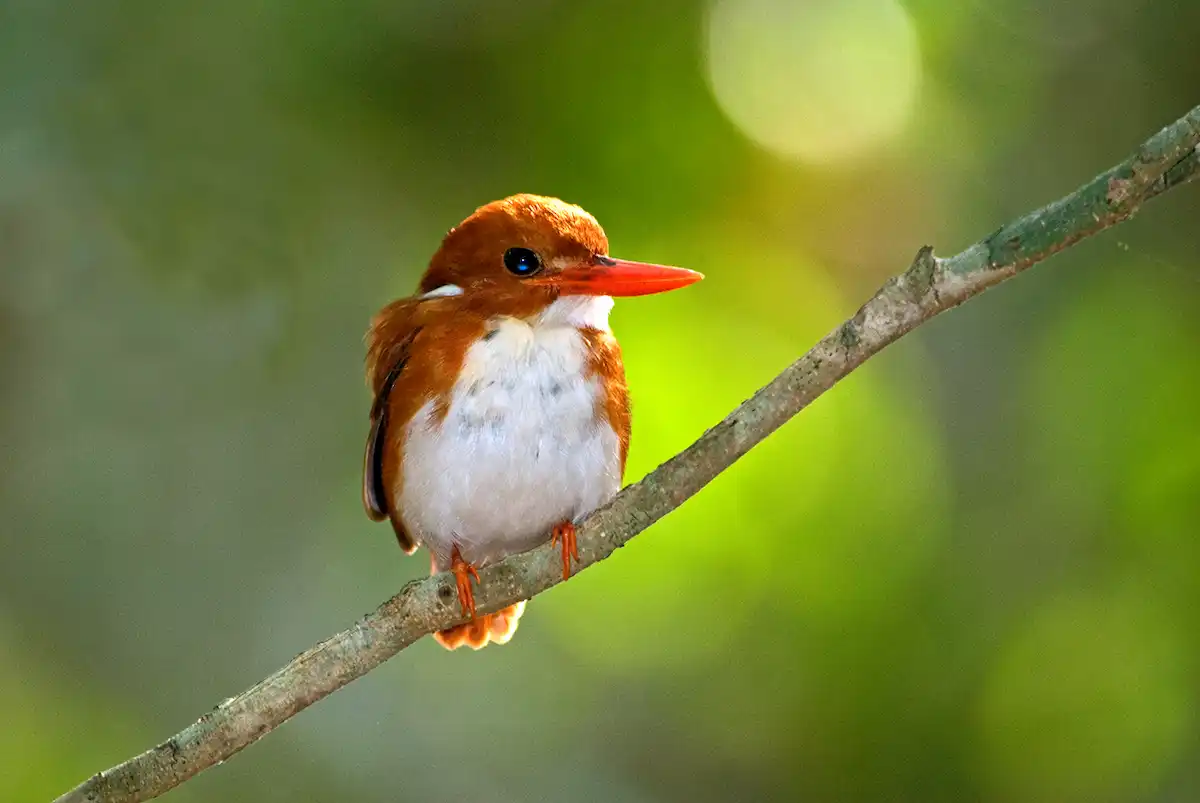
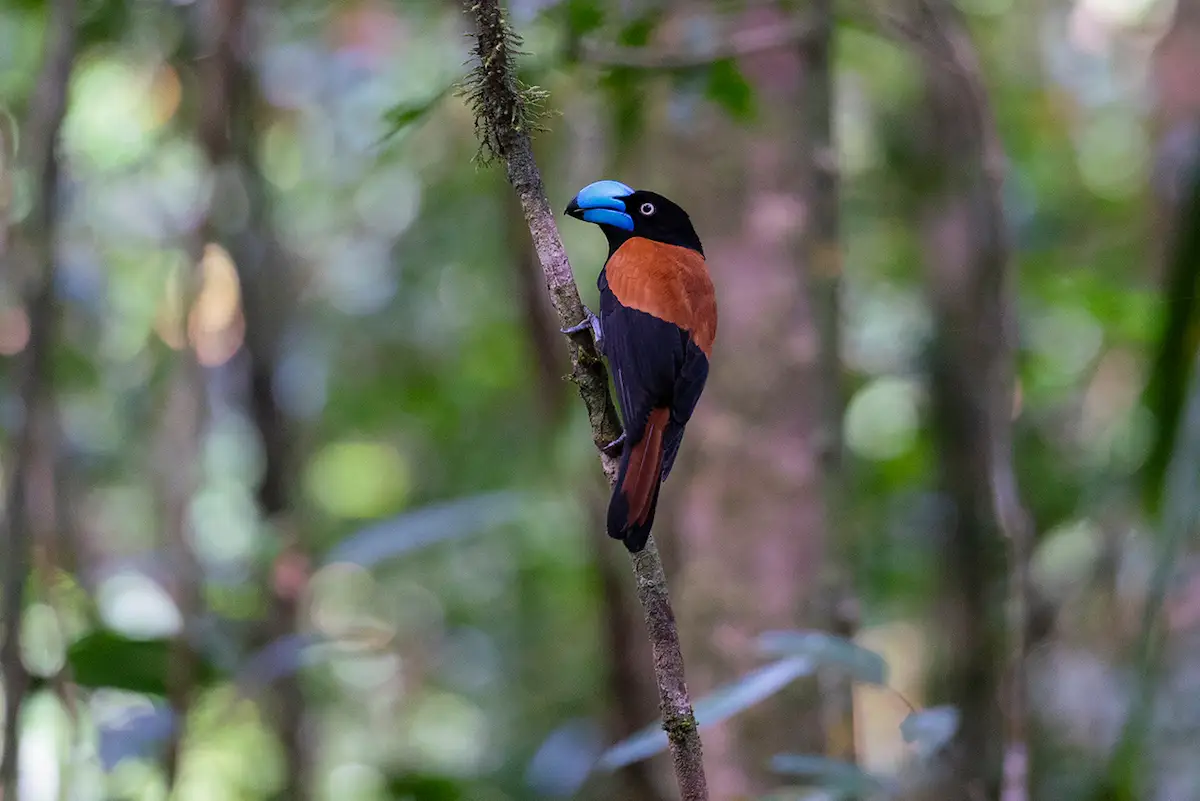
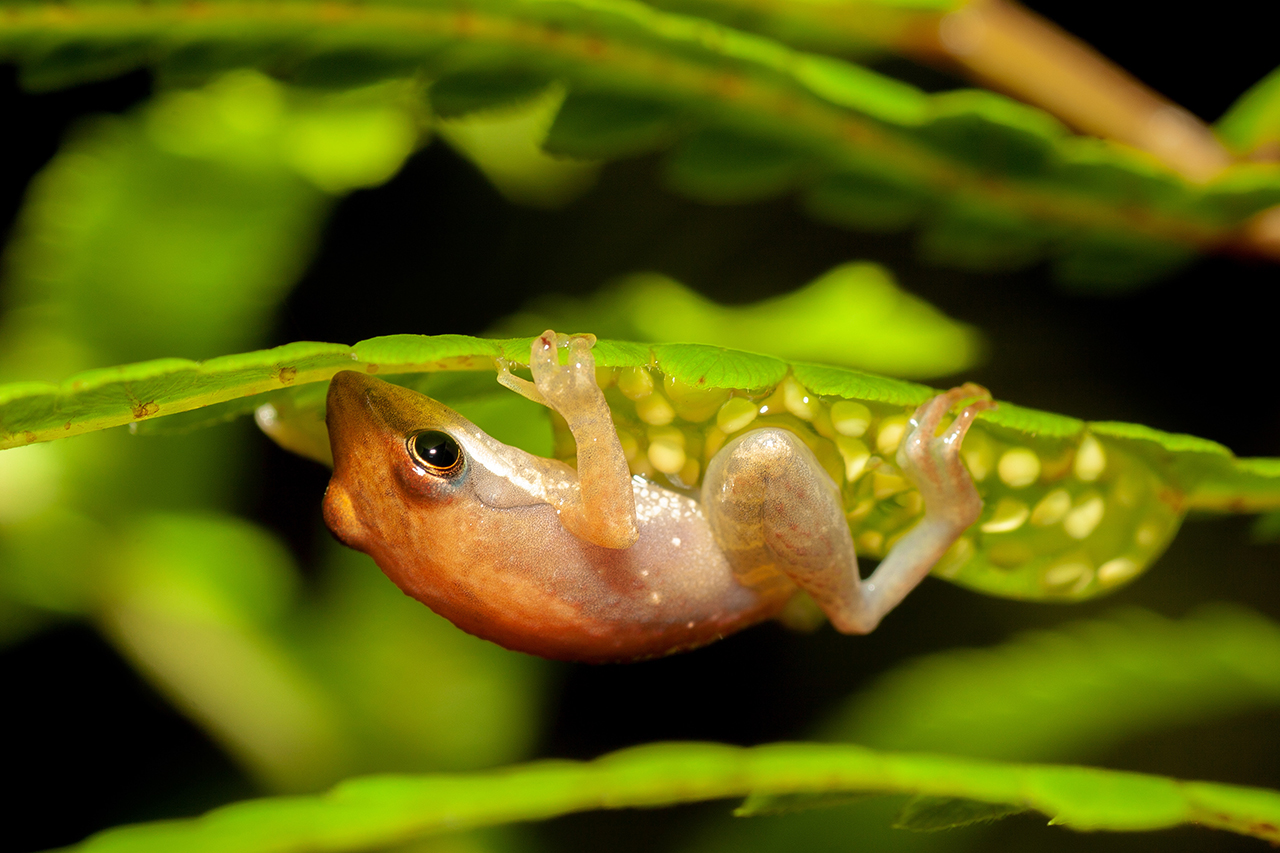
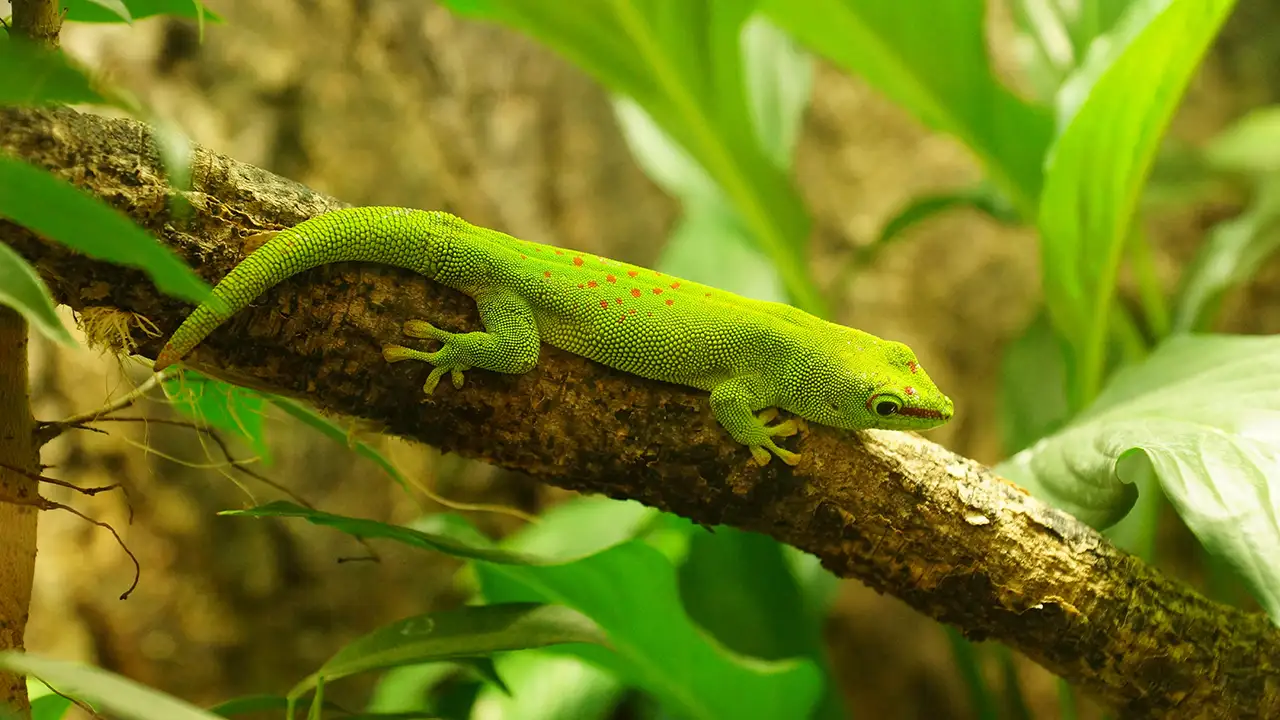
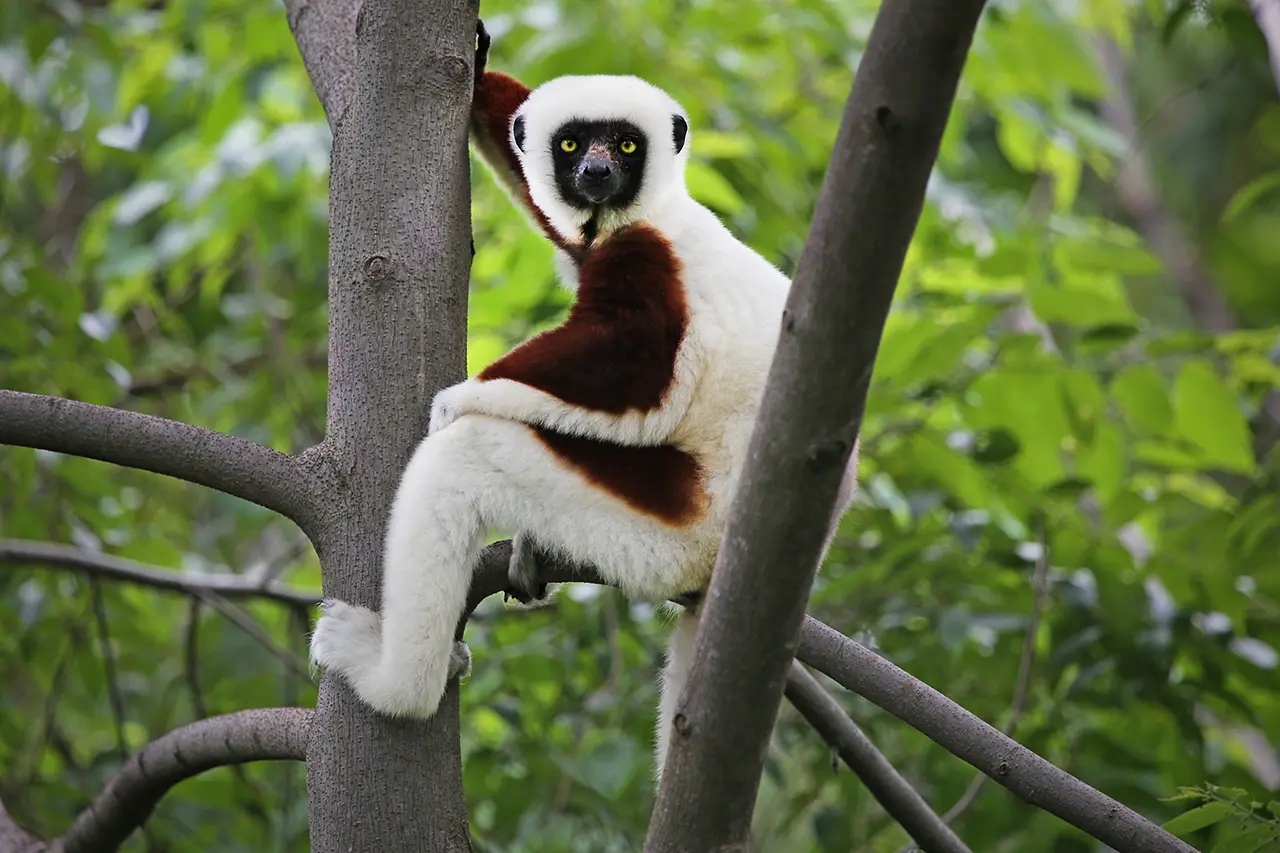
Our local guides, together with Louis Guillot, will help train your eye — and ear — to maximise sightings, and we’ll work as a team to find as much wildlife as possible. Among the highlights could be the world’s largest chameleon, the impressive Parson’s chameleon, as well as some of the tiniest Brookesia dwarf chameleons, small enough to sit on your fingertip. We may also encounter tiny mouse lemurs, the extraordinary Indri – the largest lemur, colourful Mantella frogs, tomato frogs, tree frogs, leaf-nosed snakes, hog-nosed snakes, the Malagasy tree boa, kingfishers, colourful vangas and maybe a nightjar too among so much more wildlife!
The plant life is just as remarkable. Across the rainforest areas we explore, there are more than 1,000 species of orchids, along with tree ferns, epiphytes, moss-draped forests, rare palms, and a rich diversity of tropical flora. And for anyone worried about snakes, Madagascar has no deadly snake species.
Beyond Mass Tourism
The program is designed with nature photography in mind. We will stay relatively long in prime locations, allowing us ample time to photograph. Our main focus will be during the early mornings and (late) afternoons, which offer the best lighting conditions and the highest animal activity. During the midday hours, when it’s usually hot and sunny, you’ll have time for yourself.
Don’t expect large animals like those in Africa, as they are not present here. Fortunately, this is likely why Madagascar has not been discovered by mass tourism. November is a transitional period between the dry and wet seasons and marks the beginning of spring, with fewer tourists during this time.
The different accommodations we will stay in are surrounded by excellent photography spots within walking distance, giving you the opportunity to explore on your own. Local guides will always be present to help spot animals for us.
Rainforest Night Walks – Nocturnal Animals
We have specifically chosen locations that allow for nighttime exploration of the rainforest. These night excursions are more like evening outings due to the early onset of darkness in the tropics. Thankfully, there are no venomous snakes or scorpions in Madagascar, making your nighttime adventures safer.
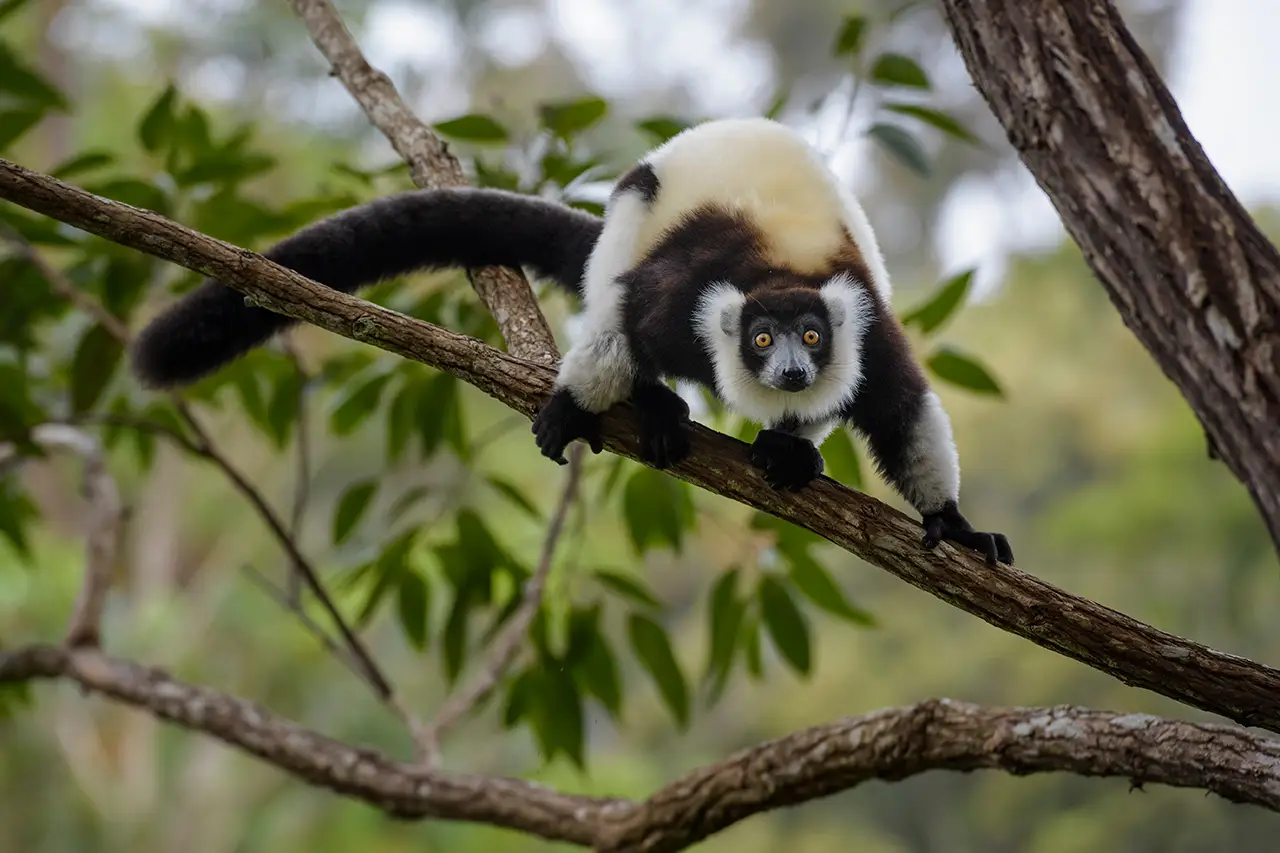
Abundant Photographic Opportunities for both Beginner & Advanced Photographers
Both novice and experienced nature photographers will find their passion fulfilled during this trip. Enthusiasm and a fascination with astonishing tropical wildlife are more important than technical photography knowledge and experience. As a less experienced nature photographer, you’ll find that this slightly longer photography journey will lead to rapid development in your skills. For those with more photography experience, you will recognise the best photographic moments and know how to seize them. Of course, you can also explore at your own pace during the trip. For avid nature photographers, there is even an option to team up with a portion of the group and go on excursions with a private guide for a small additional fee.
While the unique flora and fauna of Madagascar are our main focus, we will certainly engage with the local community and indulge in street photography. This will create a complete and unique photographic narrative for the trip.
Well-planned Travel Logistics
To maximise our time for nature experiences and photography, we will utilise two domestic flights and several long transfers by water during this trip. The roads in Madagascar are notoriously poor, making travel on them quite exhausting. Therefore, we advise individuals with back issues to consider not participating in this trip.
By limiting the number of different locations we visit, we can avoid excessive transfers, which is common on other journeys that cover the entire island. We are collaborating with a specialised travel agent who lives and works in Madagascar, ensuring that the local community benefits from the income generated by our trips. This also means that a local guide will accompany us.
Meet Your Guide
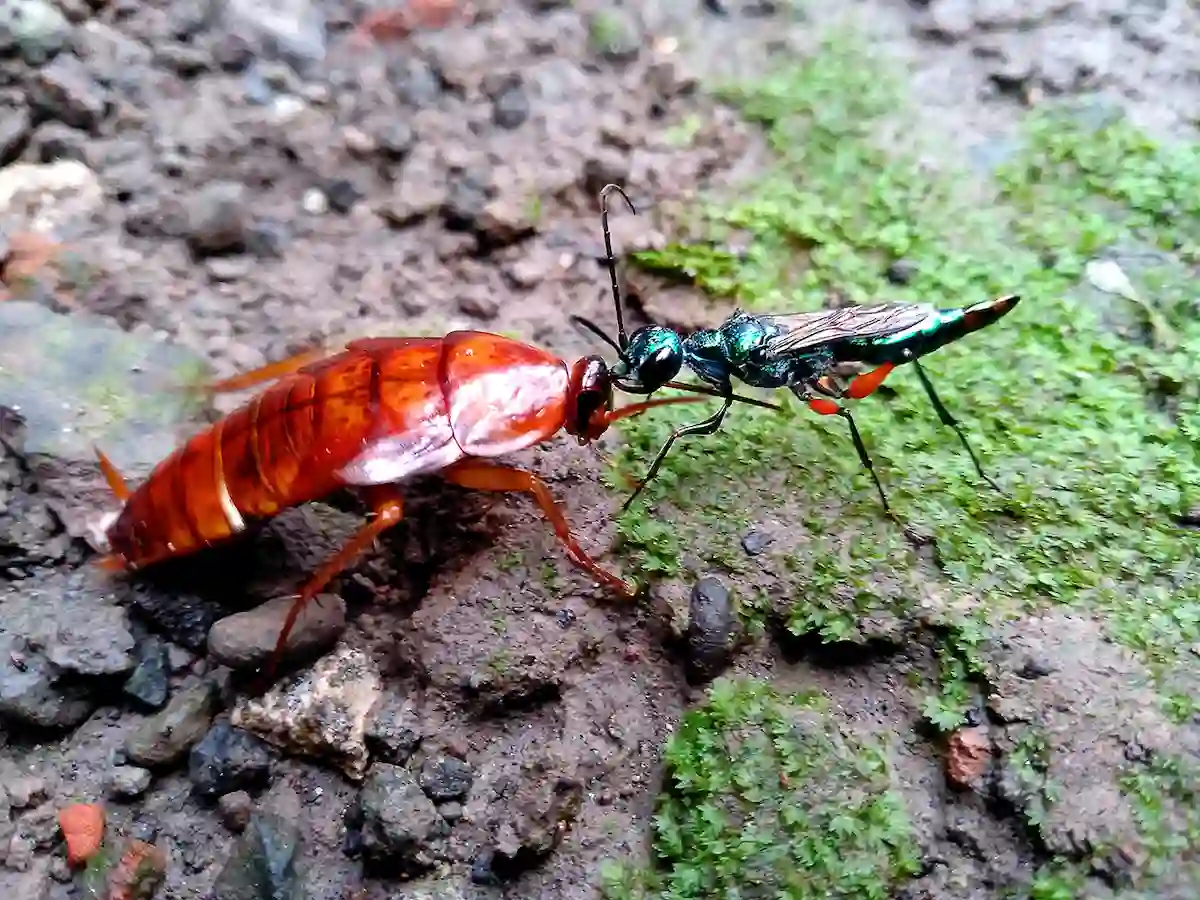
Louis Guillot is a wildlife photojournalist and zoologist based in London, UK. His work explores urban, UK, and rainforest wildlife, shaped in part by a year spent living in the Amazon, with a focus on human–wildlife conflict and grassroots conservation led by scientists and local communities. A member of the International League of Conservation Photographers, his work has been published in Forbes, BBC Wildlife Magazine, and Terre Sauvage, and recognised in competitions including Nature Photographer of the Year, MontPhoto, and the British Wildlife Photography Awards. When asked about his favourite animals, Louis says: “I can’t pick one thing, I love everything from ants to hummingbirds to larger mammals and parasitic wasps. I tend to focus on one subject for ages, then move on before eventually coming back again.”
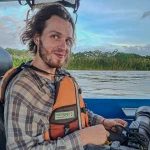 Louis Guillot is a wildlife photojournalist and zoologist based in London, UK. His work explores urban, UK, and rainforest wildlife, shaped in part by a year spent living in the Amazon, with a focus on human–wildlife conflict and grassroots conservation led by scientists and local communities. A member of the International League of Conservation Photographers, his work has been published in Forbes, BBC Wildlife Magazine, and Terre Sauvage, and recognised in competitions including Nature Photographer of the Year, MontPhoto, and the British Wildlife Photography Awards. When asked about his favourite animals, Louis says: “I can’t pick one thing, I love everything from ants to hummingbirds to larger mammals and parasitic wasps. I tend to focus on one subject for ages, then move on before eventually coming back again.”
What We Offer You
- Opportunity to Photograph Unique Species: Capture images of animals found exclusively in Madagascar.
- Unmatched Nature Experiences: Enjoy photography opportunities in pristine rainforests.
- Adventurous Itinerary: Engage in a thrilling travel program that allows for exploration and discovery.
- Cultural Engagement: Experience and appreciate the local population and their culture alongside nature.
- Specialised Local Guides: Benefit from the expertise of local guides who will help spot wildlife.
- Focus on Photography: Enjoy ample time and attention dedicated to photography.
- Domestic Flights and Boat Transfers: We will take two domestic flights and several boat trips to avoid the poor road conditions, allowing for more time dedicated to photography.
- Evening and Night Photography Excursions: Take advantage of opportunities for captivating night photography.
- Experienced Nature Photographer: Travel with a skilled organiser and guide in nature photography.
- Opportunities for Photo Reviews: Capture feedback moments for discussing photo results.
- Participants Meeting Before the Trip: Meet fellow travellers and discuss the upcoming adventure.
Is This Madagascar Photography Trip for You?
- Madagascar is the kind of exotic destination you absolutely must visit to see, smell, and taste the incredible nature.
- You’ll be deeply inspired by the thought of encountering and photographing unique species.
- You don’t need to be an experienced nature photographer. There will be plenty of chances for you to practice and capture beautiful images. The accompanying photographer is experienced and ready to assist you if you desire.
- As an advanced photographer, we guarantee that you will have ample opportunities to indulge in all the photographic possibilities this trip offers.
- You wish to avoid the standard tourist routes taken by other travel organisations and desire to see more of Madagascar.
- You can handle tropical temperatures and are not deterred by the tropical schedule of early morning, afternoon, and evening photography. During the day, you will have time to relax at your own pace.
- Bookings are based on shared twin rooms, but you can also reserve a single room for an additional fee.
Itinerary for Wildlife Photography Tour to Madagascar
Note: The following itinerary is not yet finalised as the flight times for domestic flights will only be known later. There may be a possibility that we need to adjust the order of the program, which could include staying longer or shorter at certain locations. Additionally, the program may change due to unforeseen circumstances.
Day 1: Arrival in Antananarivo – Madagascar Wildlife Photography Holiday Begins
On arrival in Antananarivo, Madagascar’s capital, we will complete the arrival formalities, including visa or entry procedures as required, and there will be an opportunity to exchange money. We then transfer to our hotel near the airport. Depending on our arrival time, there may also be the option to have dinner at the hotel before settling in for the night.
Day 2: Andasibe Rainforest – Reptiles, Chameleons & First Night Walk
After breakfast, we leave Antananarivo and drive east to see the biodiverse rainforests of Andasibe, a journey of approximately five hours depending on traffic and road conditions. The route follows Route Nationale 2, passing rice fields, villages, rivers and forested hills, with the scenery becoming greener and more humid as we approach the rainforest zone. Along the way, we will visit a reptile park featuring chameleons, lizards, frogs, and butterflies – this will give us a taste of what we might encounter in the wild.
After arriving in Andasibe, we’ll check into a cosy lodge set right on the edge of the rainforest, where we’ll stay for the next four nights. After settling in and dropping off our luggage, we’ll head out for our first night walk in one of the nearby private reserves, accompanied by an experienced local guide with deep knowledge of the area. This will be your first rainforest photography session, and your first chance to experience the forest at night. The jungle here comes alive in a completely different way at night, with sounds, movement, and activity emerging from every layer of the forest. If this is your first time exploring after dark in the rainforest, it’s an experience you’ll be sure to remember.
Keep your eyes open throughout the walk – you may even spot something the guide misses…
Days 3 to 5: Andasibe Wildlife Photography – Indri, Lemurs & Rainforest Night Walks
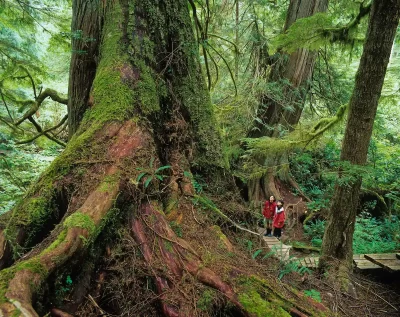
The mountainous rainforests of the Andasibe region are among the most rewarding wildlife areas in Madagascar. The vegetation alone is often what captures attention first: towering tree ferns rise above the understory, while massive trunks support a dense tapestry of orchids, ferns, and other epiphytes thriving in the humid canopy. Over the next three days, we’ll explore several rainforest reserves with experienced local guides, focusing on the most productive areas for wildlife photography.
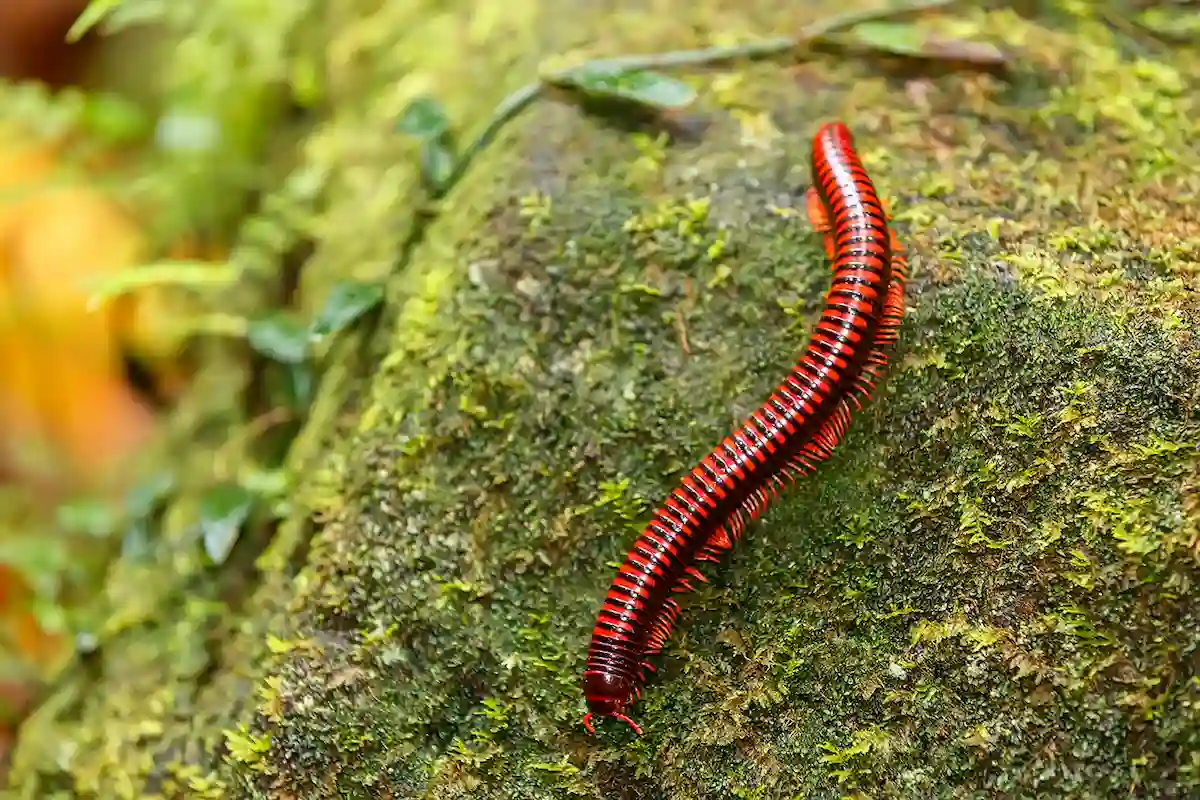
During the day, we’ll look for lemurs, chameleons, butterflies, and tropical frogs, and may even encounter the striking giraffe-necked weevil—a small red beetle with an unusually elongated neck. However, rainforests are often more active at dawn and after dark, so we’ll make full use of early morning outings and night walks (each of us equipped with a flashlight), when the forest truly comes alive. These nocturnal excursions offer the chance to find snakes, sleeping chameleons, tree frogs, geckos, insects, and nocturnal lemurs such as mouse lemurs. The rainforest’s soundscape at night is an experience in itself.
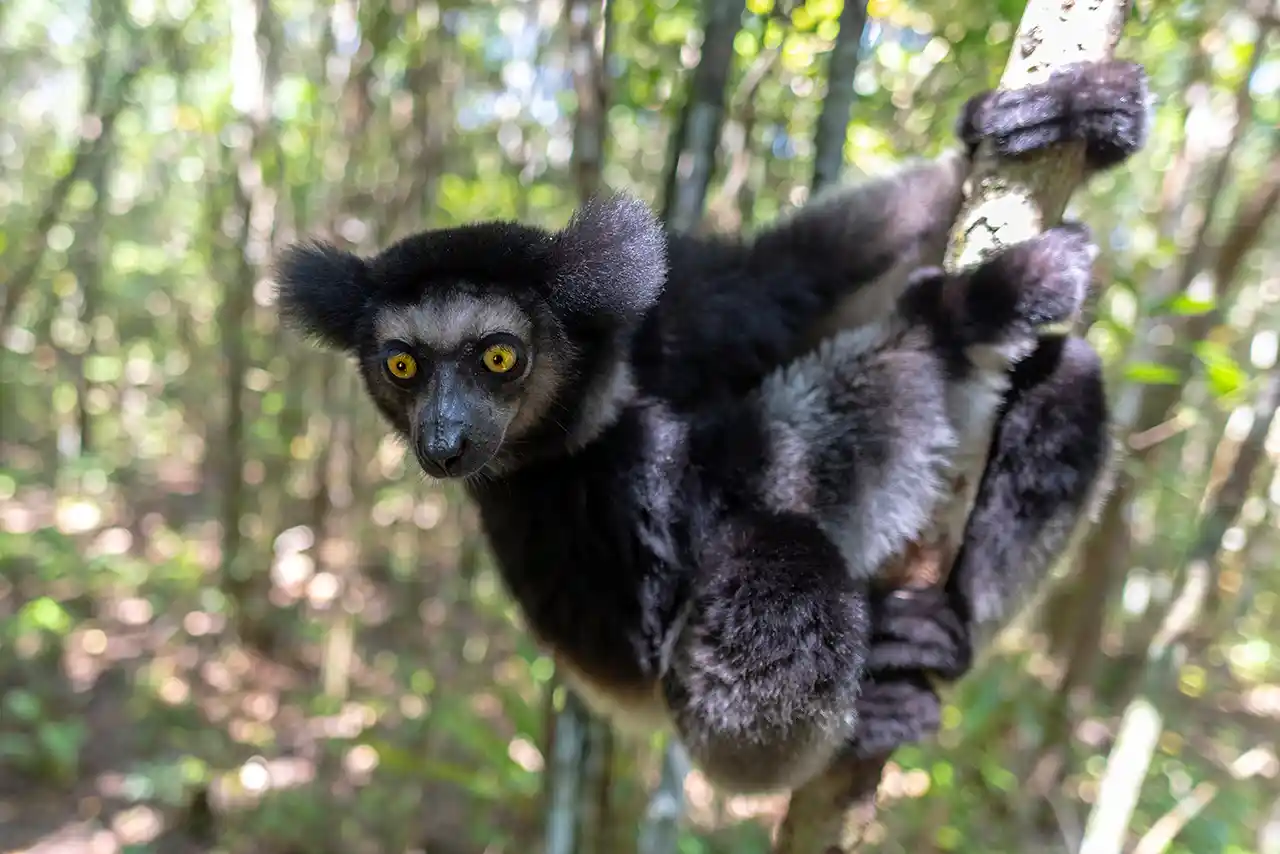
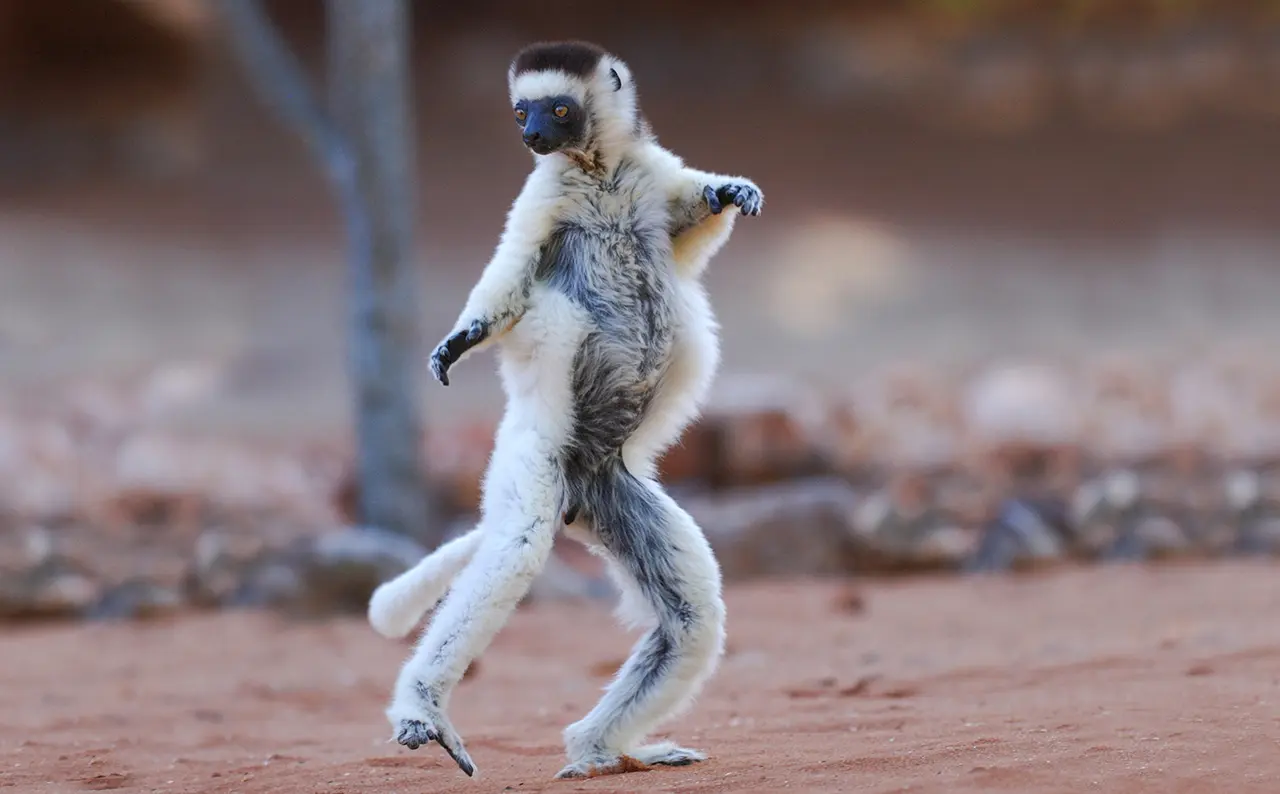
Andasibe is also one of the best places in Madagascar to hear, see, and photograph the indri, the largest living lemur. These striking black-and-white primates are famous for their powerful, haunting calls that echo through the forest canopy, one of the most memorable sounds in the country. With luck, we may encounter up to six different lemur species over the coming days. Along the way, we’ll also explore the remarkable evolutionary story of Madagascar’s lemurs. Their ancestors are believed to have reached the island around 60 million years ago, likely rafting across the Mozambique Channel from mainland Africa. Once isolated and free from competing primates, they diversified rapidly into the extraordinary range of species we see today.
All excursions are optional, so there is always the flexibility to rest at the lodge or spend time photographing in the immediate surroundings if preferred. A visit to Vakona Private Reserve is also included in the programme. This is a managed reserve known for very close lemur encounters and offers different photographic opportunities from the wild forest reserves.
Day 6: Ankanin’ny Nofy & Palmarium – Lemurs and Aye-Aye Excursion
Today we continue to Manambato, a small village on the Canal des Pangalanes, a long chain of natural waterways and man-made canal sections running along Madagascar’s east coast. The drive takes around five hours. From Manambato, we travel by motorboat across the waterways to Ankanin’ny Nofy on Lake Ampitabe, a journey of about 1.5 hours. Our accommodation for the next two nights is at Palmarium, where the bungalows overlook the lake in a beautiful and peaceful setting.
A short boat ride away lies the Palmarium Reserve, where several habituated lemurs can often be photographed at close range in a lush tropical environment.
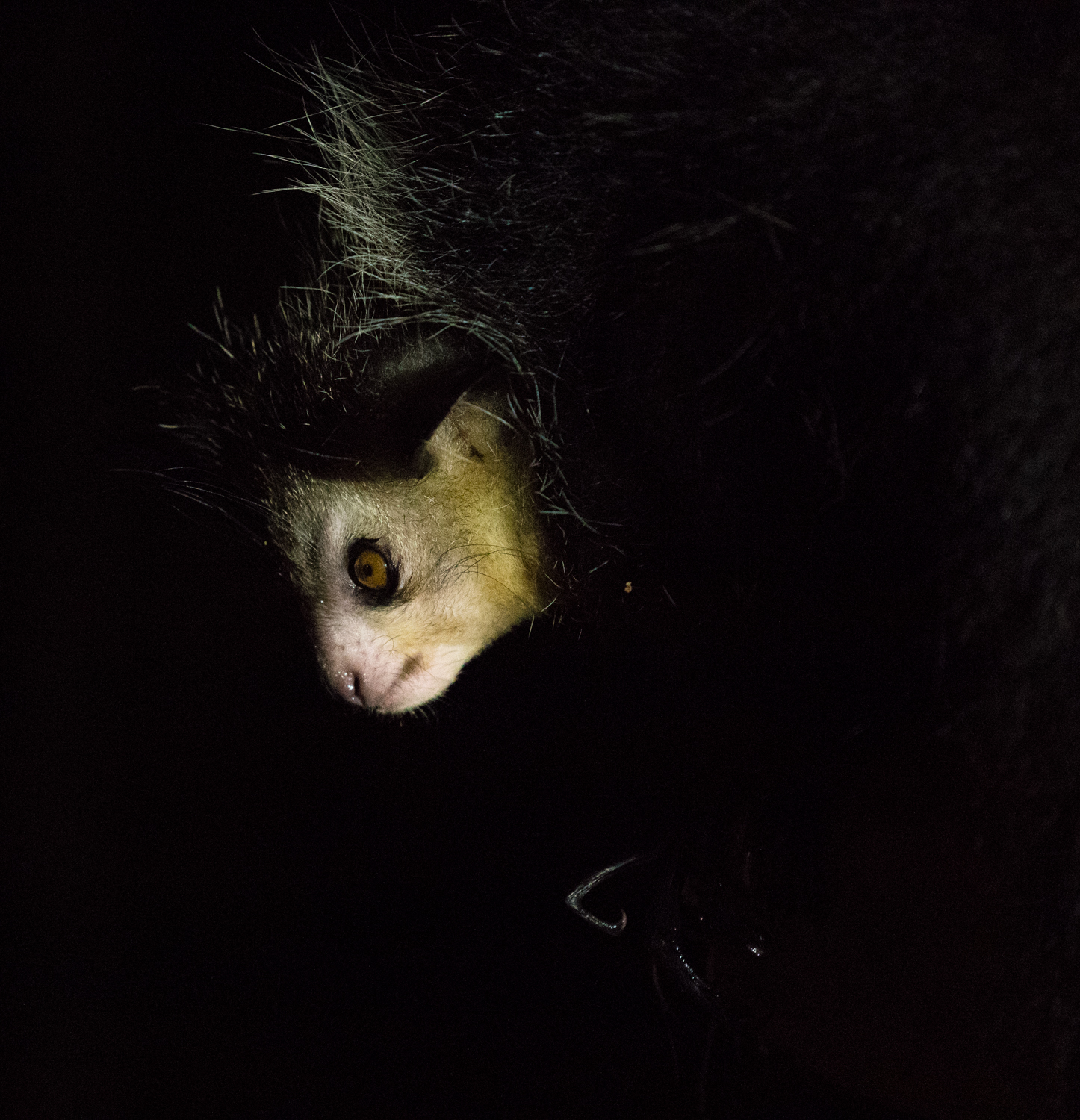
One of the highlights here is the possibility of an evening excursion to look for the aye-aye, one of Madagascar’s most unusual nocturnal lemurs. With its large ears, rodent-like incisors and elongated middle finger, it is one of the most distinctive mammals on earth. It uses that specialised finger to probe for food, including insect larvae and other items hidden in wood or hard plant material.
Day 7: Palmarium Reserve – Lemur, Gecko & Frog Photography
Today is a chance to explore Palmarium at a more relaxed pace. The reserve provides excellent opportunities to photograph habituated lemurs and other wildlife in an accessible, intimate setting. If we feel like venturing further, we can also try our luck with reptiles and amphibians, which are well represented here. Possible sightings include several species of leaf-tailed geckos, leaf-nosed snakes, and different day geckos, along with a variety of frogs.
There is a restaurant in the reserve, so it is perfectly possible to remain there for much of the day if desired. Ankanin’ny Nofy lies between the canal and the Indian Ocean, and there is also the option of a walk to the beach in the afternoon. Later in the day, there will be time to review and edit photographs before our first informal image review session after dinner. In the evening, there is another opportunity to join the aye-aye excursion.
Day 8: Return to Antananarivo – Transfer from Ankanin’ny Nofy
This is a longer travel day. After breakfast, we take the boat back to Manambato and then drive west along the RN2 towards Antananarivo, stopping en route for lunch. Depending on traffic and road conditions, the journey can take most of the day.
Because of our domestic flight the following day, we stay overnight near the airport.
Day 9: Fly to Maroantsetra – Gateway to the Masoala Peninsula
After breakfast, we transfer to the airport for our domestic flight to Maroantsetra, gateway to the Masoala Peninsula and Antongil Bay. On arrival, we transfer to our hotel. The rest of the afternoon is free, with the option to visit a local reptile or amphibian site, depending on timing and interest. Maroantsetra remains a relatively quiet coastal town full of character, with a working harbour and a strong sense of local life. We stay here for two nights.
Day 10: Nosy Mangabe Island – Leaf-Tailed Geckos & Lemurs Photography (and a swim!)
Today we take a boat excursion to Nosy Mangabe, an uninhabited forested island in Antongil Bay just off the coast from Maroantsetra. Formerly a Special Reserve and now managed as a protected national park area, Nosy Mangabe is one of the most atmospheric wildlife sites in north-east Madagascar.
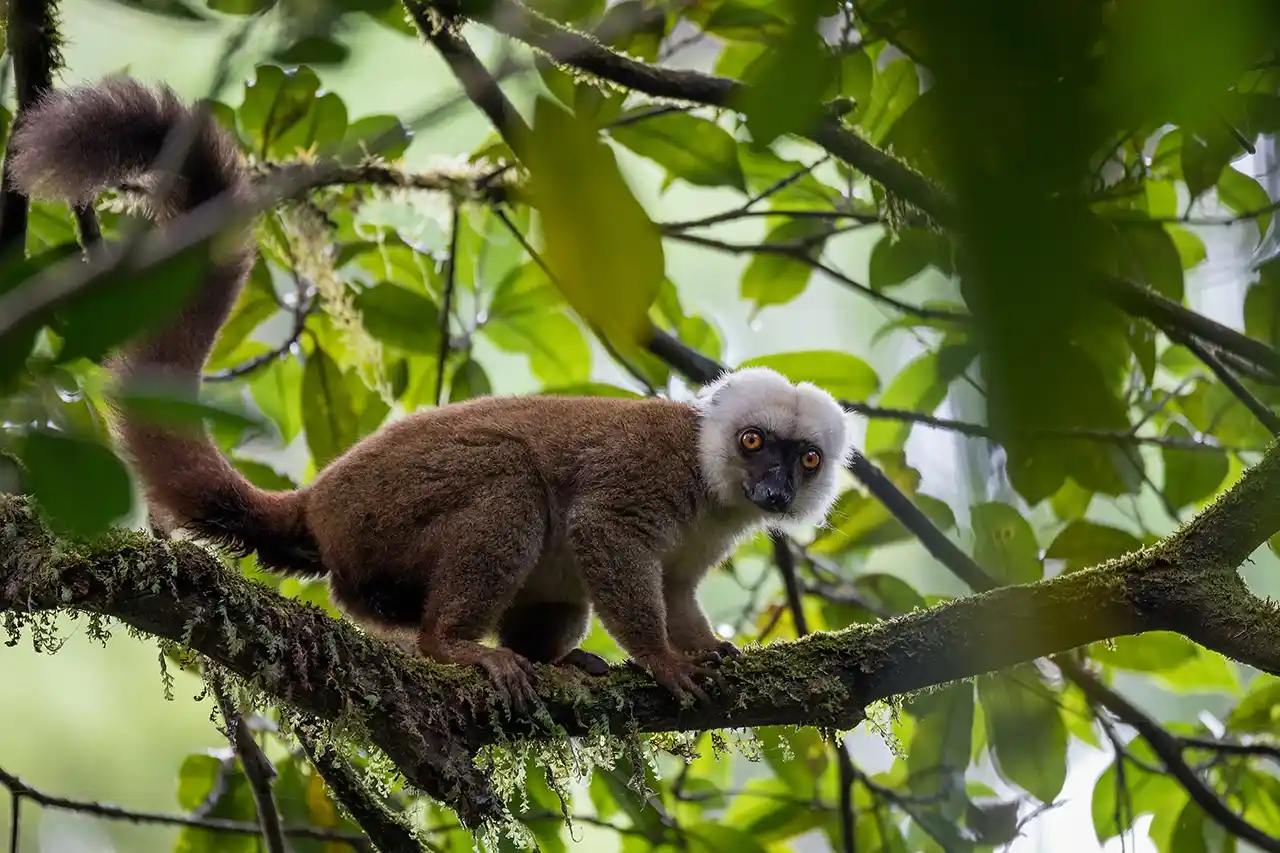
Accompanied by a local guide, we explore the island in search of lemurs (we might see black-and-white ruffed lemur and the white fronted brown lemur), frogs, chameleons, leaf-tailed geckos, day geckos, birds and insects. Nosy Mangabe is especially rewarding for reptile and amphibian photography, and the bark-mimicking leaf-tailed geckos are among the highlights. The geckos are masters of camouflage, resembling tree bark and, when they realise, they’ve been spotted, often throw their tails in the air, raise their heads, and open their mouths, revealing their red interiors – quite a bizarre sight! They can even emit a shrill call. You can round off your visit to this island with a swim in the crystal-clear water. At the end of the day, we’ll take a half-hour boat ride back to Maroantsetra.
Day 11: Masoala Peninsula – Lowland Rainforest & Coastal Wildlife Photography
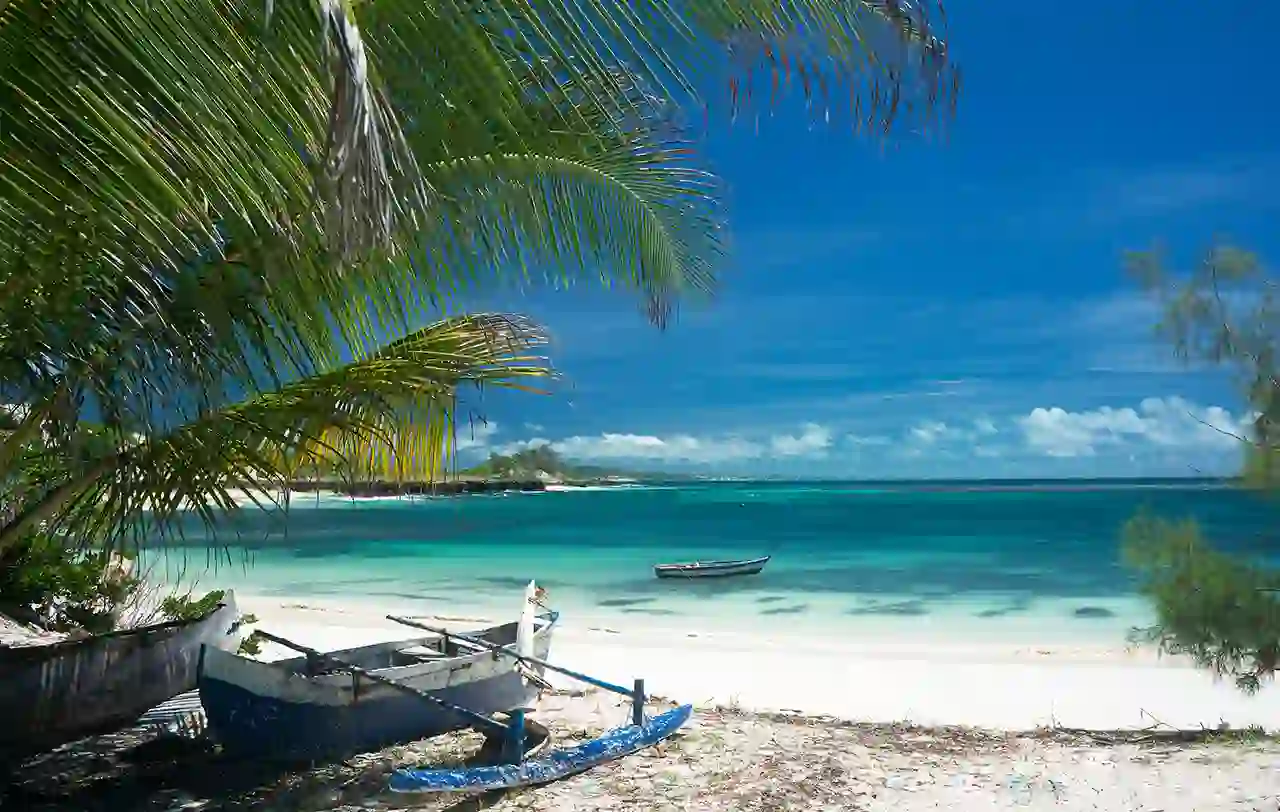
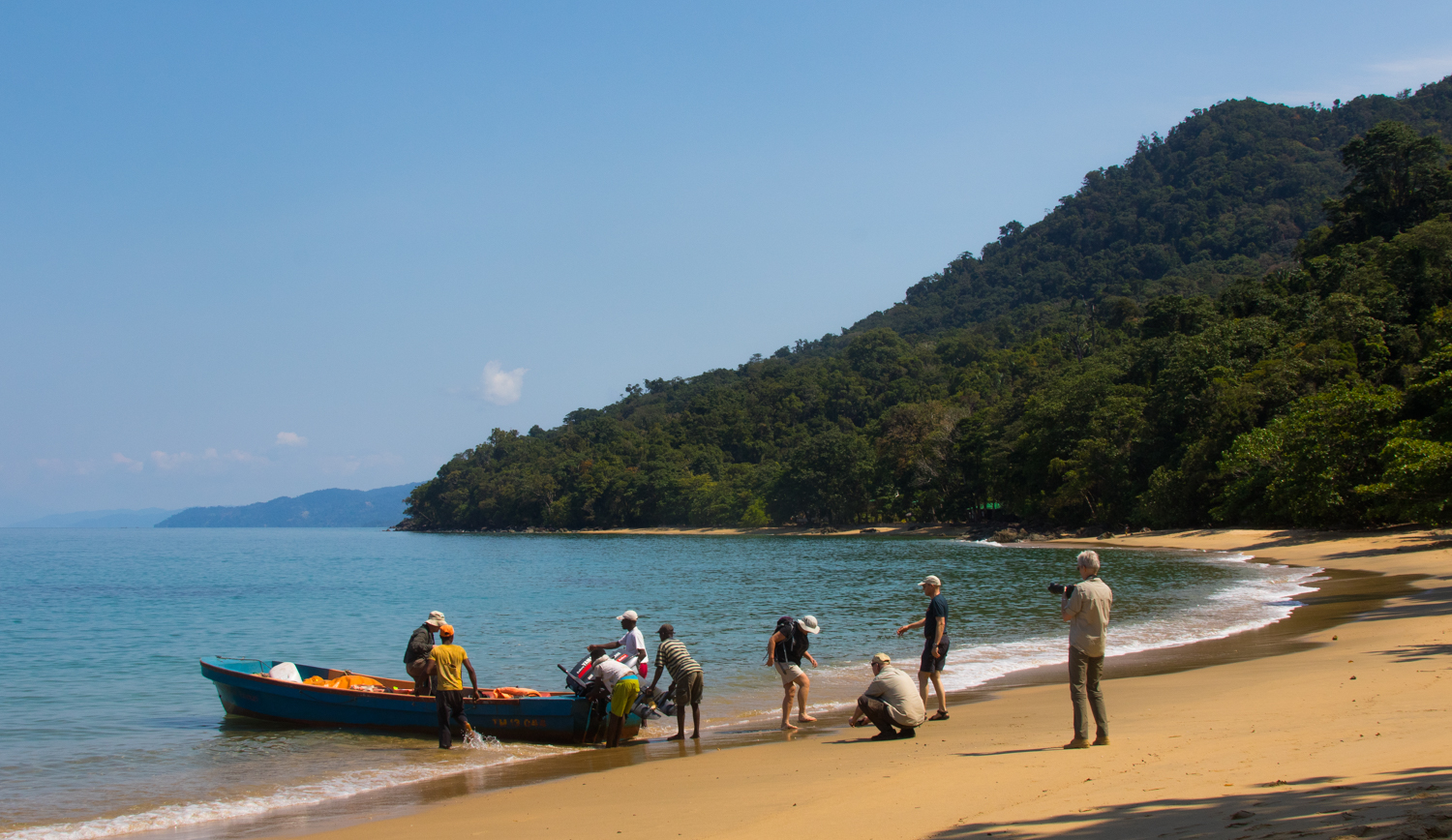
After breakfast, we travel by boat to the Masoala Peninsula, a transfer that typically takes around 2 to 2.5 hours, depending on sea conditions and our exact lodge location. We spend the next five nights in a simple but beautifully located lodge on the edge of the rainforest. Masoala is one of Madagascar’s great wilderness areas: a spectacular meeting of lowland rainforest, beach, mangroves and coastal scenery – this region has the largest patch of rainforest on the island of Madagascar. It is an exceptional place for nature photography, not only because of the wildlife, but also because of the atmosphere and the landscape.
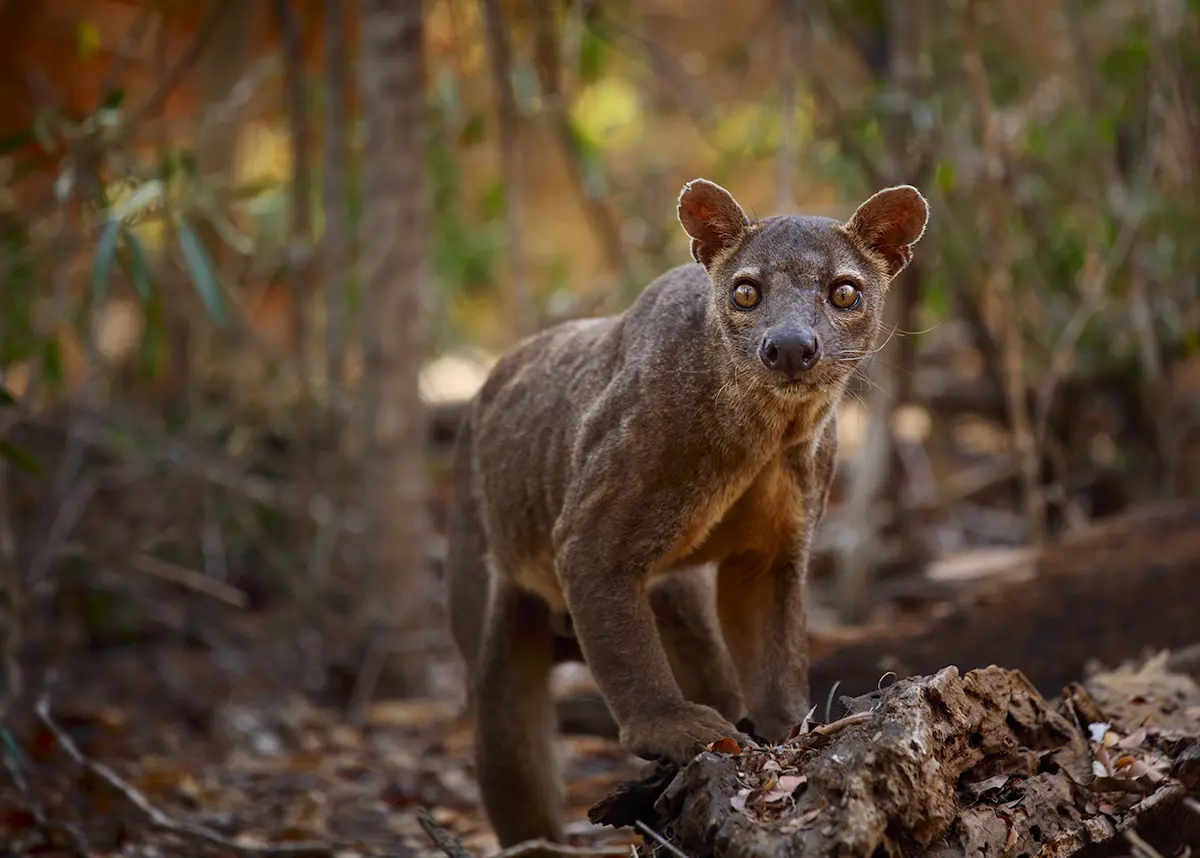
There are no roads in this part of the peninsula; exploration is on foot along forest paths and coastal trails. The forest can be challenging, but the local guides are highly skilled and invaluable in locating wildlife. With luck, this is one of the places where we may encounter the fossa, Madagascar’s largest native predator.
Days 12 to 15: Masoala Wildlife Photography – Pygmy Dwarf Chameleons, Orchids, Frogs, Ferns and Birds
These days are dedicated entirely to photography in and around Masoala. Each day, we head out with experienced local guides for at least two excursions, with the flexibility to adjust timings according to weather conditions, wildlife activity, and the group’s interests.
The lowland rainforest here is alive with sound and detail. Birds call from the canopy, frogs begin their chorus after the rain, and the forest floor teems with invertebrate life. The vegetation is just as captivating, from orchids—of which there are over 900 species—to ferns, giant leaves, and moss-covered trunks. With luck, we may encounter helmet vanga birds, woolly lemurs, white-fronted brown lemurs, or even the elusive tomato frog. The critically endangered Madagascan serpent eagle also inhabits this forest—an exceptionally rare sighting, but its presence alone is a powerful indicator of the ecosystem’s health.
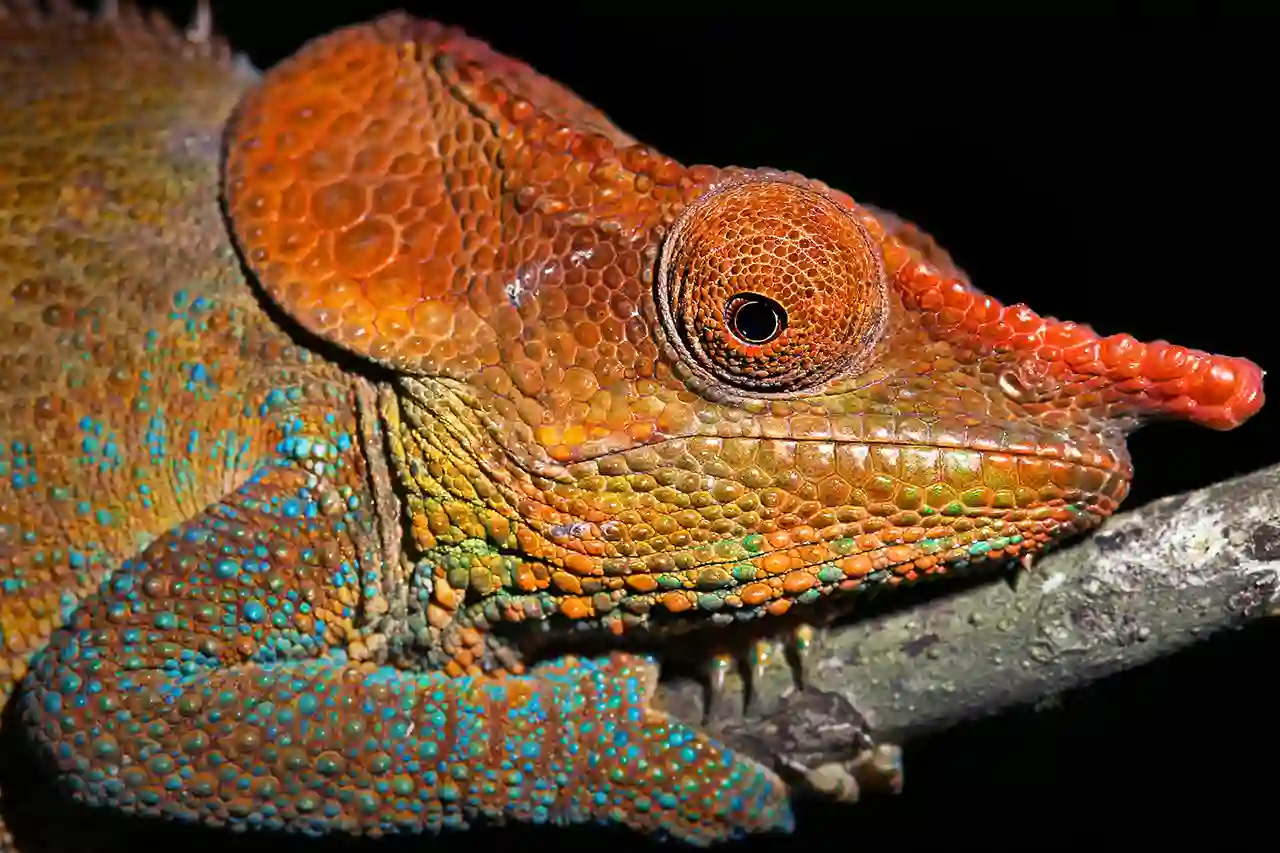
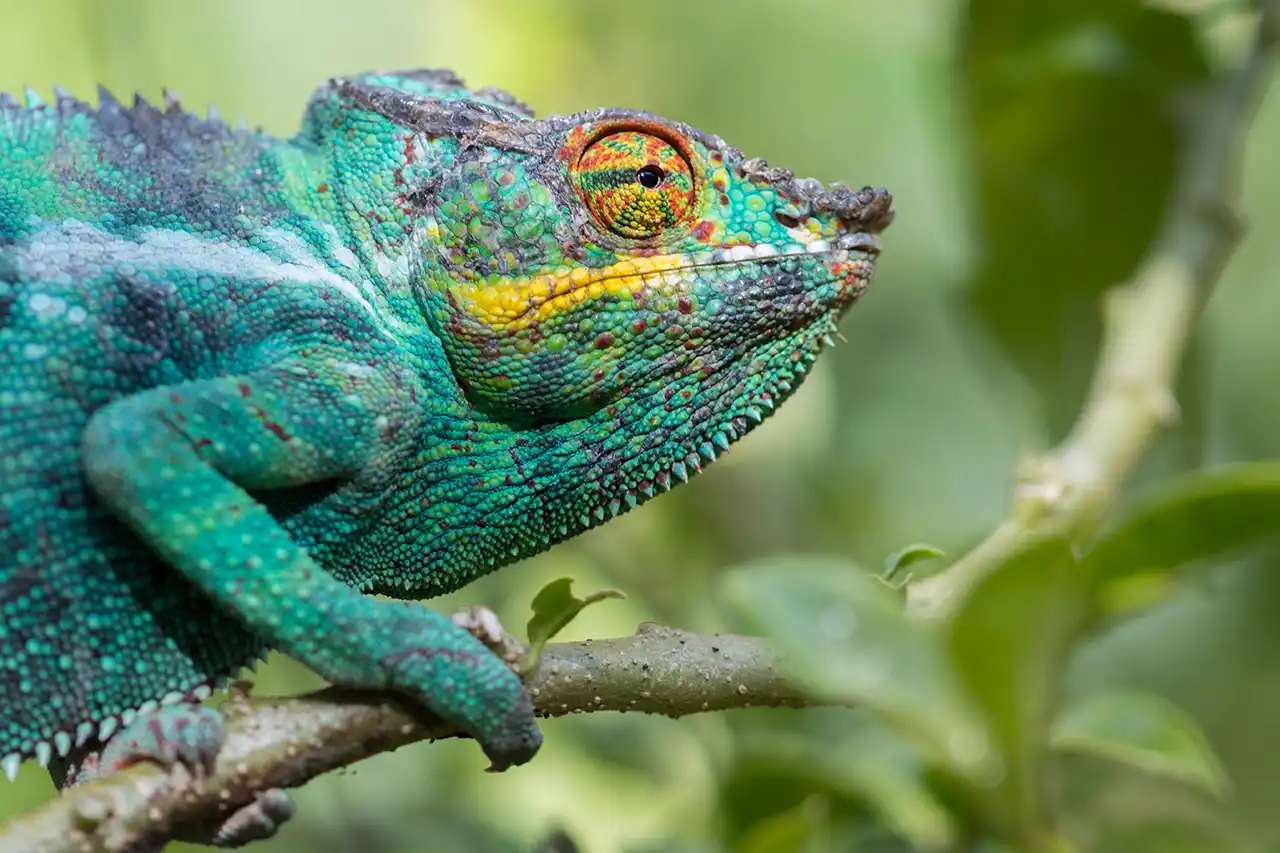
Madagascar is home to roughly half of the world’s chameleon species, ranging dramatically in size. Among them is the tiny dwarf leaf chameleon of the genus Brookesia, measuring just 3 cm in length—small enough to perch on your fingertip. In Masoala, we’ll search for these miniature reptiles among the leaf litter on the forest floor. Remarkably, the area is also home to the largest chameleon species, Parson’s chameleon, which can be up to 25 times longer than an adult Brookesia. There’s a real possibility of encountering both the smallest and largest chameleons in the world in the same location.
During the warmer midday hours, there’s time to rest, review and edit images, or enjoy a swim or snorkel. A nearby village also offers opportunities to photograph daily life and the surrounding agricultural landscape, including clove, rice, and vanilla cultivation.
One evening, we will hold a second photo review session.
Day 16: Return from Masoala to Antananarivo
Immediately after breakfast, we will return by boat to Maroantsetra, where we will take a domestic flight back to the capital. Depending on the flight schedule, there may be a short program in Maroantsetra or Antananarivo. Dinner and overnight accommodation will be in Antananarivo, with departure in the late evening or the following day, depending on your flight schedule.
Day 17: Depart Madagascar – Return to the UK
Unfortunately, the trip comes to an end. We will either fly back during the day or at night back to the UK. We guarantee that you will have captured all the photographic opportunities and that your memory cards, luggage, and thoughts are filled with the incredible experiences you have gained during your stay on the exotic island of Madagascar!
Optional extension – for those who want to see more of Madagascar
Day 18: Travel to Ambalavao – Ring-Tailed Lemur Photography
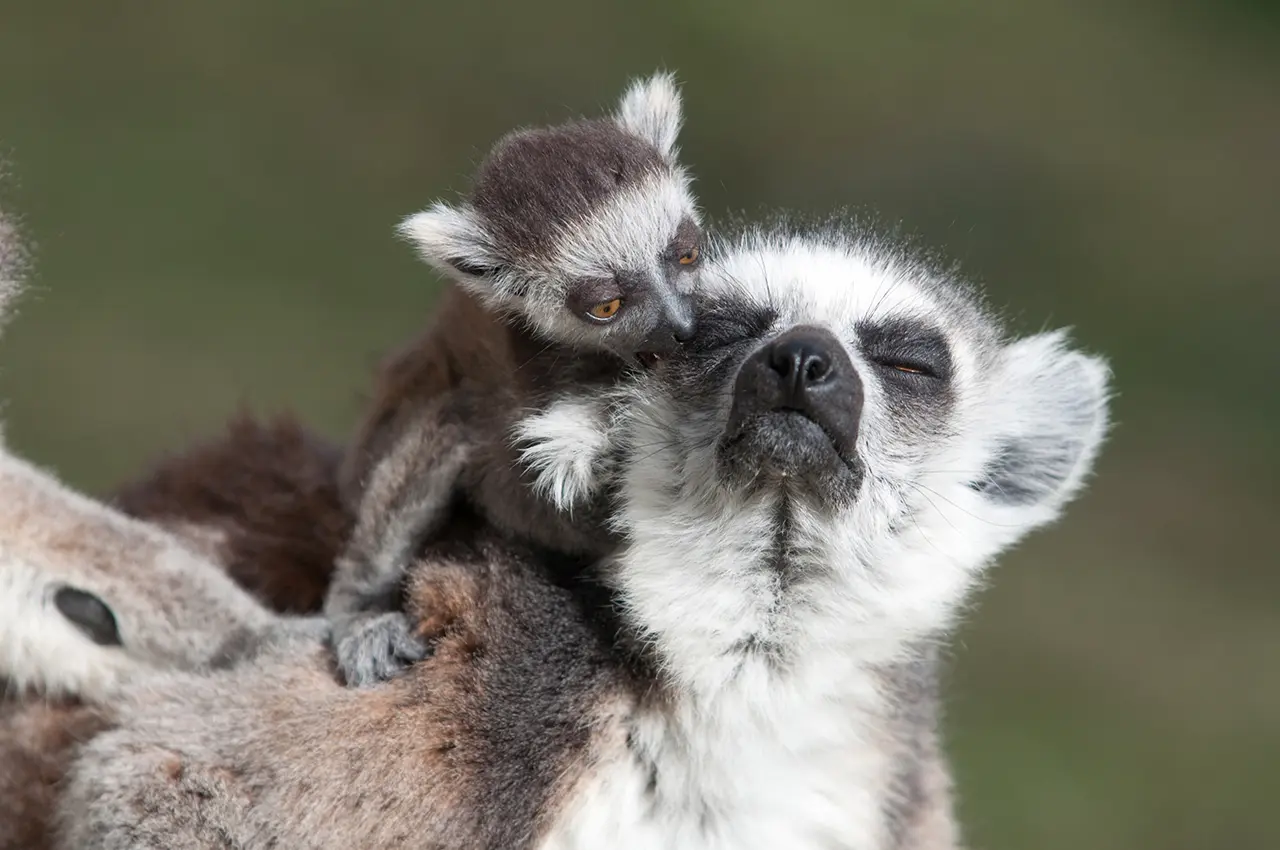
Today is a longer travel day. Depending on road conditions, expect a journey of at least six hours as we head south from Antananarivo to Ambalavao, home to the Anja Reserve. Here, our focus is on observing and photographing the iconic ring-tailed lemurs in their natural habitat.
If time allows upon arrival, we will already make our first visit to the reserve.
Days 19 & 20: Anja Reserve Ring Tailed Lemurs
We will spend two full days in the striking Anja Reserve.
You’ll immediately notice a striking contrast with the lush rainforest we have just left behind. The landscape around Anja is far drier and more arid, defined by deciduous woodland and rugged, rocky terrain. This change in environment is reflected in the local flora and fauna, which have evolved specific adaptations to survive these different conditions – adaptations you wouldn’t typically encounter in rainforest ecosystems.
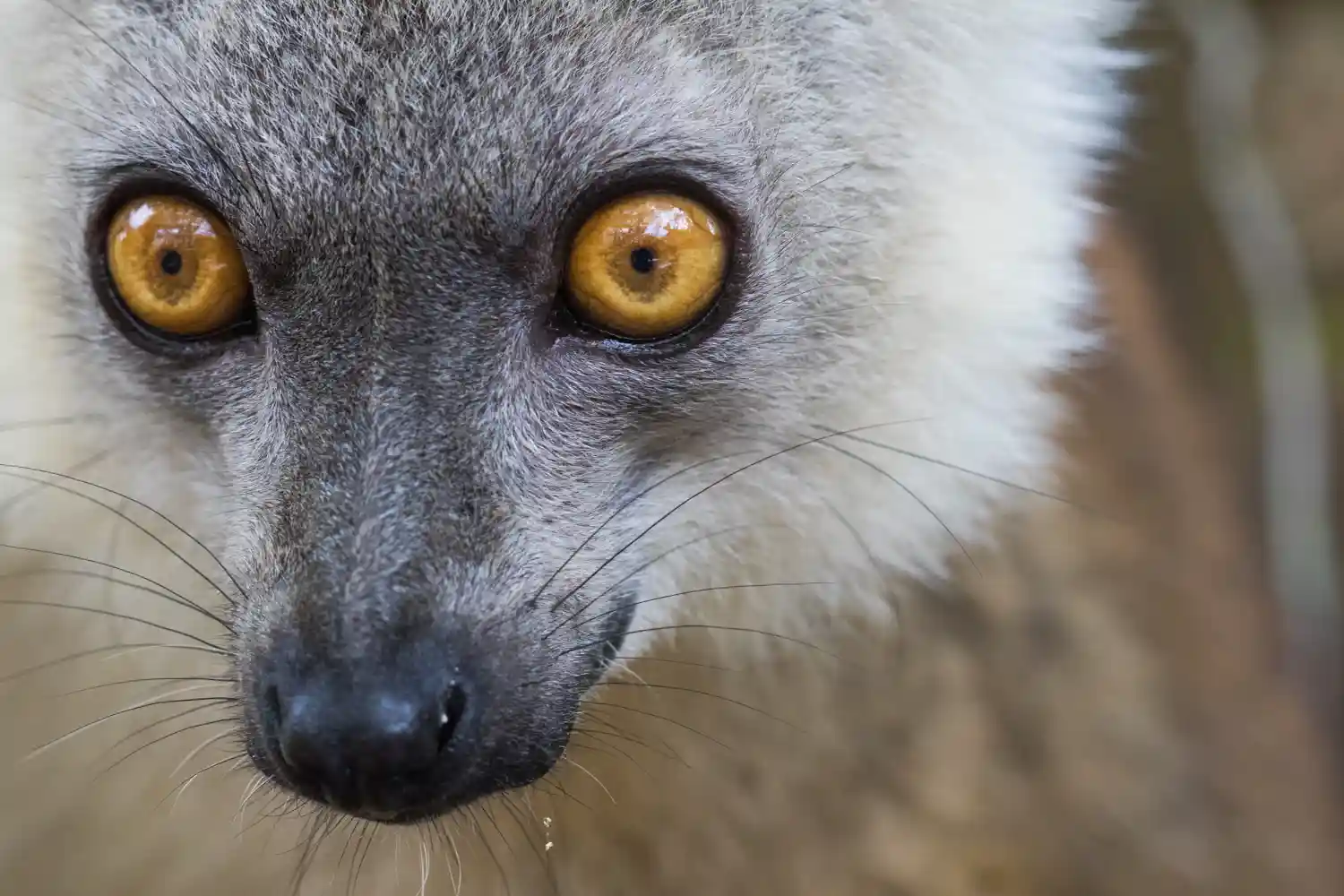
We will undoubtedly see the very photogenic ring-tailed lemurs of the area who unlike most of the species we would have already encountered are semi-terrestrial – they spend lots of time foraging on the ground. They won’t be hard to find, as they are social animals living in groups. The lemurs here aren’t too timid so may curiously inspect us as we walk through the reserve. Besides ring-tailed lemurs, we may encounter chameleons, various insects, and all kinds of birds.
Day 21: Highlands Journey to Antsirabe – Madagascar Landscape Photography
We drive from the south back toward the north, to Antsirabe. The eight-hour journey may be long, but we will be passing through incredible highland landscapes – if we get up early enough, we can also stop and take some photos along the way to break up the route and stretch our legs. As the trip progresses, you’ll soon begin to realise how many different habitats, landscapes, and environments we can find in Madagascar – a factor which contributed to all the weird and wonderful wildlife that evolved here in different ways.
We travel north from the southern regions to Antsirabe. Although the journey takes around eight hours, the route winds through stunning highland landscapes. An early departure gives us the opportunity to pause along the way to photograph some of the landscapes and stretch our legs.
As the journey unfolds, you’ll begin to appreciate just how diverse Madagascar’s landscapes and habitats are. This remarkable variety contributed in driving the evolution of the island’s unique and often extraordinary wildlife, each species adapted to its own distinct environment.
Day 22: Antsirabe – Volcanic Landscapes, Rice Fields & Local Life
We find ourselves surrounded by a striking volcanic landscape, dotted with crater lakes and geysers. Today offers a range of photographic opportunities. We might explore the town itself – perhaps by rickshaw, similar to a tuk-tuk – or venture into the surrounding countryside. Here, at higher elevation, the scenery opens into rolling terrain lined with rice fields. Alongside the farms, we’ll encounter skilled local artisans; a visit to a traditional blacksmith, for instance, offers a glimpse into daily life and craft.
Day 23: Miandrivazo – River Scenes & Daily Life Photography
Our next car transfer is to Miandrivazo. If we leave very early, we can arrive around lunchtime and have time to photograph the daily life of people and animals along the Mahajilo River.
Day 24: Morondava & Avenue of the Baobabs – Sunset Photography
We continue to Morondava, located directly on the west coast of Madagascar where lies one of Madagascar’s most iconic sights: the Avenue of the Baobabs. This extraordinary natural landmark is lined with towering baobab trees (most are Grandidier’s baobab), some over 800 years old, 30+ metres tall, and all with characteristic bottle shaped trunks for storing water – an adaptation to the dry landscape. Their immense silhouettes create a truly magical scene, especially at sunrise and sunset. As said in French, The Avenue des Baobabs is a must see in Madagascar, it is one of the most iconic scenes of the entire trip. The sort of thing you see on postcards. Today awe will be taking some sunset photos.
Day 25: Kirindy Forest & Baobabs – Fossa, Lemurs & Sunrise Photography
We start the day early, returning once more to the Avenue of the Baobabs. Sunrise here will provide us different conditions for atmospheric landscape shot of the baobabs. This might also be the place for us to take a nice group photo or two. It’s also quieter in the morning with less people, giving us the chance to capture more atmospheric and undisturbed images.
After our morning photography session, we continue to Kirindy Forest. This protected area is made up primarily of dry deciduous forest. While it may appear less colourful at first glance, it is one of the best places in Madagascar to observe and photograph wildlife, including lemurs, reptiles, insects, and a wide variety of bird species. One of the highlights here is the elusive fossa, Madagascar’s largest native carnivore. Though rarely seen, Kirindy offers one of the best chances to encounter this remarkable and endemic predator in the wild.
In the late afternoon, as we return to Morondava, we’ll make a final stop to see the Baobabs one last time.
Day 26: Morondava Mangrove Boat Trip – Birdlife, Crabs & Mangrove Photography
Today we dedicate the entire day to a boat trip deep into the mangrove forests around Morondava. As we move quietly through the waterways, we’ll encounter a rich variety of birdlife, including kingfishers.
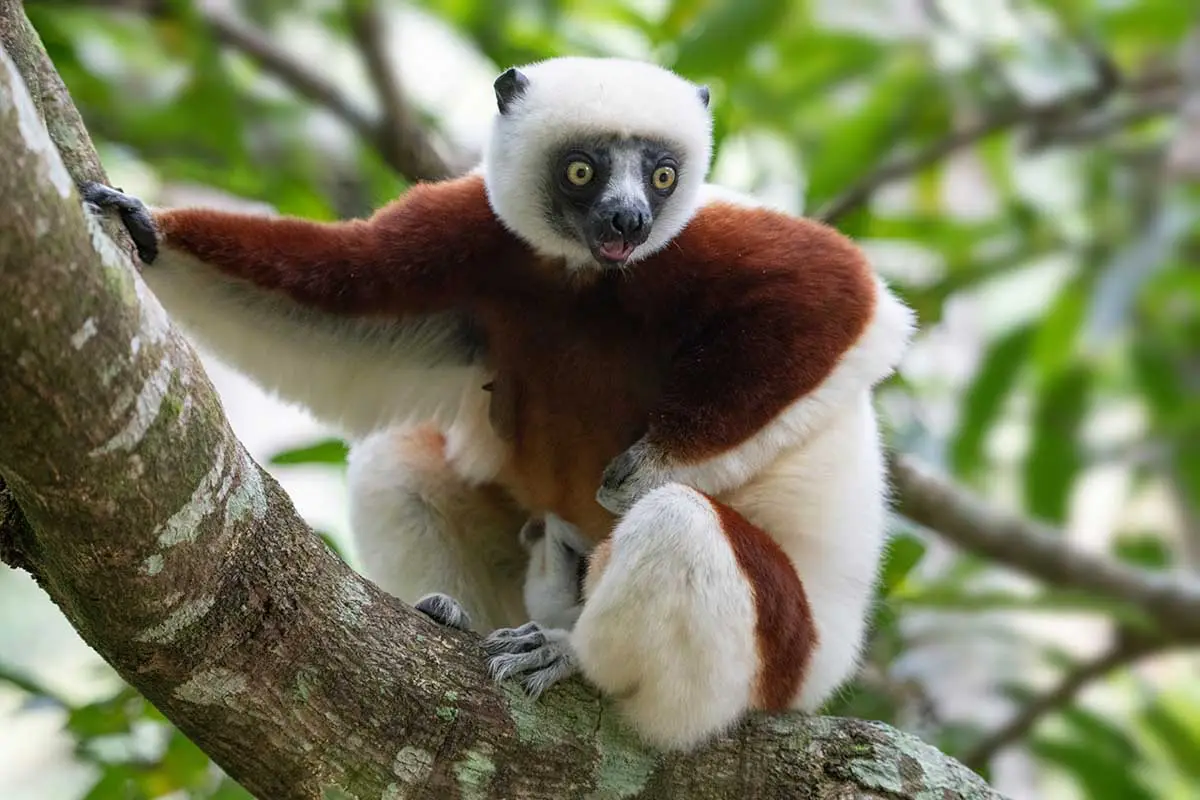
We’ll also be accompanied by the ever-watchful “eyes on stalks” of ghost crabs, which are constantly emerging and disappearing along the muddy banks. If we’re fortunate, we may even spot the Crowned sifaka, a rare lemur endemic to western Madagascar that is known to inhabit mangrove and coastal forest edges.
This unique environment offers excellent photographic opportunities. The tangled mangrove roots twist and curve in all directions, creating natural abstract patterns and strong compositional elements. With the right light (and ideally a bird or a crab perched on the roots) we can experiment creatively in capturing this striking ecosystem.
Day 27: Fly to Antananarivo – Final Madagascar Photo Review
Today we take a domestic flight from Morondava back to Antananarivo. On arrival, we enjoy dinner and an overnight stay in the capital. Depending on the timing of our international departure, whether in the evening or late at night, we may require an additional overnight stay before continuing our journey home. This is also a great opportunity to look back on our favourite moments from the trip and review some of the images we’ve captured along the way.
Day 28: Departure Home – End of Madagascar Wildlife Photography Adventure
Today marks the end of our photography adventure in Madagascar. Hopefully we will all be leaving with hard drives full of incredible images: wildlife encounters, ancient baobabs, arboreal orchids, many lemurs, chameleons, geckos, perhaps even (if we’re lucky) a fossa, along with butterflies in every colour and meaningful cultural moments with local communities.
Cost
This trip is bookable starting from £5,995 (this amount excludes international flights).
Single Room Supplement: £665
What’s Included
- All accommodations.
- Breakfast, lunch, and dinner (we do not provide lunch on travel days or upon arrival and departure).
- Local transportation (land and by boat).
- Domestic flights worth £430.
- Participants meeting (date and location to be announced).
- Guidance from a professional Nature Talks nature photographer.
- Local guides.
- Guarantee fund insurance.
- Entrance fees to all national parks.
- Photo reviews.
- All excursions (day and evening).
What’s Not Included
- Returns flights from UK to Antananarivo, ranging from £700 to £1,300 (we will assist with the booking).
- Visa costs.
- Alcoholic and soft drinks.
- Personal purchases.
- Travel and cancellation insurance.
- Supplement for single occupancy or sole use of a double room: £473.
Practical information
Participants Meeting
Before the trip, we will organise a participants meeting so that you can get to know your fellow travellers and ask any questions you may have about the journey.
Accommodation
The hotels or lodges near the nature reserves typically consist of detached wooden bungalows for 1 or 2 people, each equipped with a private shower and toilet. Mosquito nets are always provided to keep insects at bay, and a fan is usually available as well.
Trip Intensity
This trip is not physically demanding, but the tropical temperatures, bumpy roads, and the ‘tropical schedule’ can make it feel more challenging. A good level of basic fitness is required, as we will undertake (sometimes lengthy) photography walks and carry our photography gear, as well as climb some hills or mountains.
Travel Arrangements
The flight from the UK to Antananarivo, Madagascar’s capital, is not included in the trip price. However, we can assist you with booking your tickets free of charge. We will keep everyone updated so that we can book simultaneously. KLM, Air France, and Kenya Airways are among the airlines providing flights, with prices around £700 to £1,300.
Luggage
The (cabin) baggage limit is 20 kg per person for the flight. Your photography equipment (excluding tripods, which should be checked in as cabin baggage) should be carried as hand luggage, typically weighing no more than 10 kg. Besides your backpack, a small shoulder bag with your laptop is usually accepted, but it’s better to store your laptop in your camera bag if there’s room. Check the airline’s website for maximum dimensions and weight for hand luggage. You can also carry extra weight using a camera vest with sturdy pockets.
Transport and Flights
Transportation will be in a minibus operated by a local driver, and we will have unlimited mileage. Madagascar’s roads are quite poor, as it’s not like traveling in the UK; expect bumpiness and discomfort. This specific trip deliberately avoids the usual tourist routes taken by other travel organisations in favour of more off-road and nature-focused adventures. While tourist routes may have better roads, you shouldn’t expect too much from those either. For boat trips along the Canal de Pangalanes and to Nosy Mangabe Island, we will use stable boats. We will also take a domestic flight of about 1 hour from Maroantsetra to Antananarivo and back.
Packing List
Due to limited storage space in the bus, boat, and for the domestic flight, we ask you to limit your luggage, including your photography gear, and package everything in soft bags or suitcases, which are easier to stack.
Equipment
For this trip, we recommend bringing all photographic equipment necessary for macro and close-up photography, as well as telephoto and landscape photography based on your specialisation and preferences. After booking, you will receive a detailed packing list approximately four weeks before departure.
Climate and Clothing
In general, Madagascar enjoys pleasantly warm weather. Light clothing such as shorts and T-shirts are suitable for the daytime, along with something warm for the evenings. For evening excursions, a long-sleeved shirt and long trousers provide good protection against mosquito and sand flea bites. Clothing that has been pre-treated with mosquito repellent is helpful. A rain jacket is necessary for the rainforest. It’s also good to have sturdy, lightweight shoes that can get wet but dry quickly. A photography vest can be very handy! Appropriate clothing is appreciated when visiting local people and religious buildings.
Vaccinations
Before traveling to Madagascar, it is necessary to obtain the standard vaccinations for tropical countries. For the latest information on mandatory or recommended vaccinations, please visit the website of gov.uk for travellers advice. Anti-malaria medication is advisable. If you have not used it before, try it out first to ensure you have no allergic reactions. Additionally, it is always recommended to wear long sleeves and long pants to protect against mosquito and insect bites, and apply an anti-mosquito treatment (e.g., DEET) to exposed areas of your body.
Passport and Visa
To travel to Madagascar, you need a valid passport that remains valid for at least 6 months after your departure from Madagascar. You will also need a visa. You can apply for this in advance at the Madagascar consulate. A tourist visa for 30 days can also be obtained upon arrival in the country for £20.
Wildlife
Madagascar is a unique and exotic destination that is world-famous for its enormous diversity of flora and fauna. There are over 270 bird species, nearly half of which are endemic. In addition to stunning bird species, Madagascar is known for its remarkable mammals, including lemurs and reptiles. Did you know that two-thirds of all known chameleon species in the world are found on Madagascar? Below is an indication of what you may encounter, though it is not guaranteed. You will witness everything from mini chameleons to lemurs and the Malagasy giraffe beetle.
Expected Wildlife:
- Kingfishers
- Phelsuma geckos
- Chameleons
- Various lemurs, including the aye-aye
- Day geckos
- Lizards
- Frogs
- Butterflies
- Indri lemurs
- Various insects
- Various species of smaller lizards
The list of animals is extensive, and we may not have room for everything, but you can be sure to see some remarkable wildlife along the way!
Enjoy your adventure in Madagascar, where unique wildlife and stunning landscapes await!
BOOK YOUR TOUR HERE
Hold your place for free
Hold Your Place for Free
Not quite ready to book? You may need time to check your availability, speak to your employer or discuss the trip with your travel companion. You can request a free, no-obligation provisional reservation through our website, by email or by phone.
How long will we hold your place?
- If the trip departs within 10 weeks, your provisional reservation will be valid for 48 hours.
- If the trip departs in 10 weeks or more, your provisional reservation will be valid for seven days.
Subject to availability, we will provisionally reserve your place for this period. If another customer wishes to book the final available place, we will contact you and give you the opportunity to confirm your booking.
There is no obligation to book. If you do not confirm before the provisional reservation expires, it will automatically be released.
Book with Confidence
In the unlikely event that Nature Talks UK cancels your trip, we will contact you promptly and provide the refund to which you are entitled under our booking conditions and applicable UK consumer law.
| Photography Tour of Madagascar | |
| Departure | 27-10-2027 |
| Return | 13-11-2027 |
| Travel duration | 18 |
| Guaranteed departure | No |
| Available places | 3 |
| Price | From £5995 |
| Max participants | 8 |
| Included |
|---|
|
| Not Included |
|---|
|
Unique Photography Trip
19 DAY PHOTOGRAPHY TRIP WITH FULL BOARD AND DOMESTIC FLIGHTS
MEET LEMURS, AYE-AYES AND GECKOS
PLENTY OF TIME TO PHOTOGRAPH
DIVERSE RAINFORESTS
GUIDED BY LOCAL EXPERTS
FANTASTIC NIGHT EXCURSIONS
ENCOUNTER THE AYE-AYE
MANY AMAZING PHOTOGENIC SPECIES OF CHAMELEONS
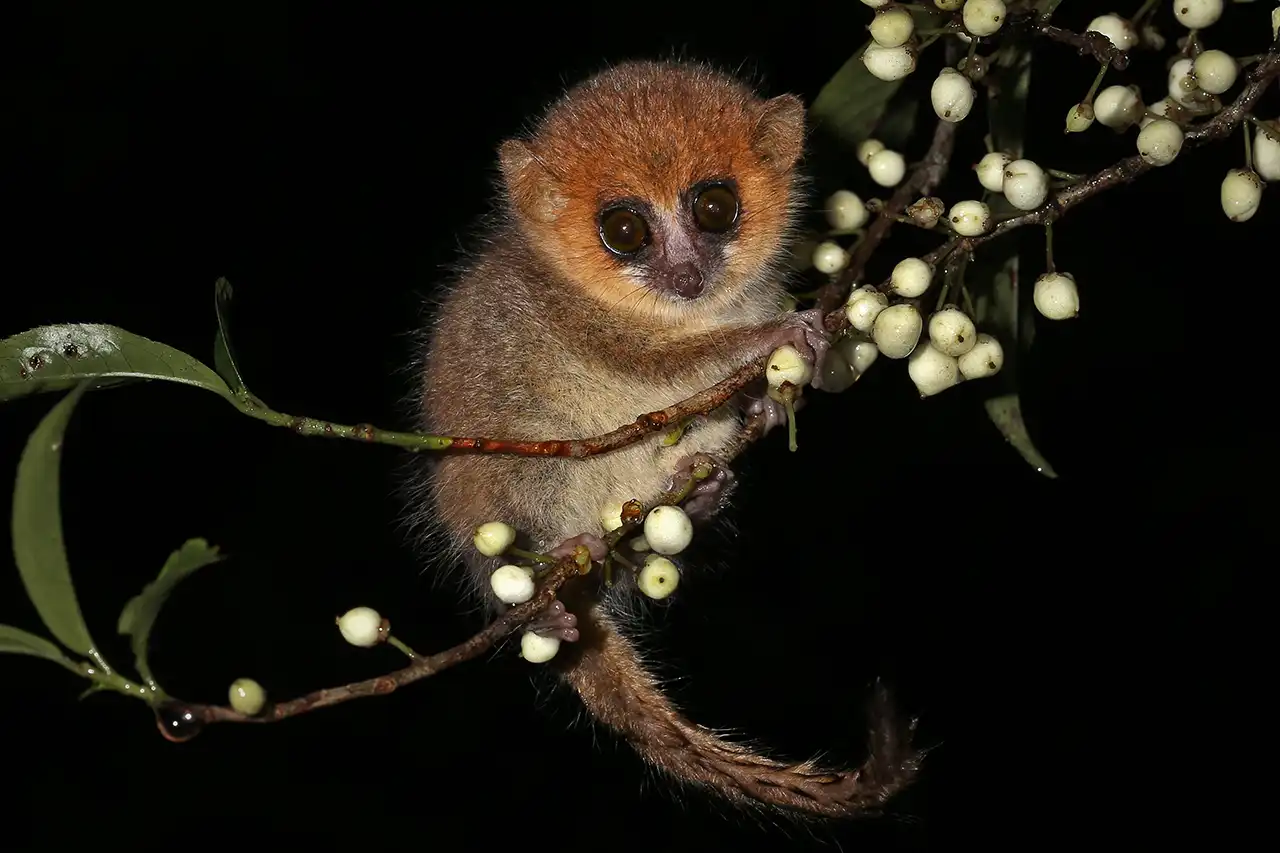
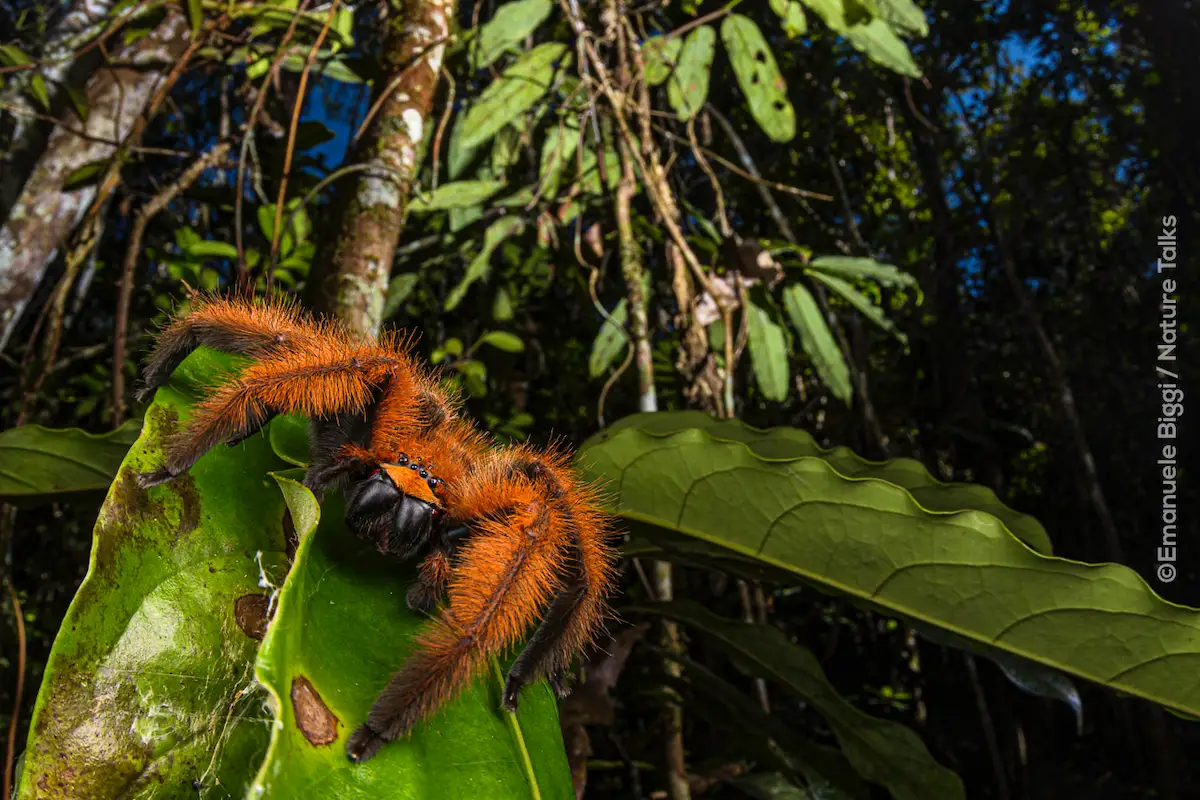
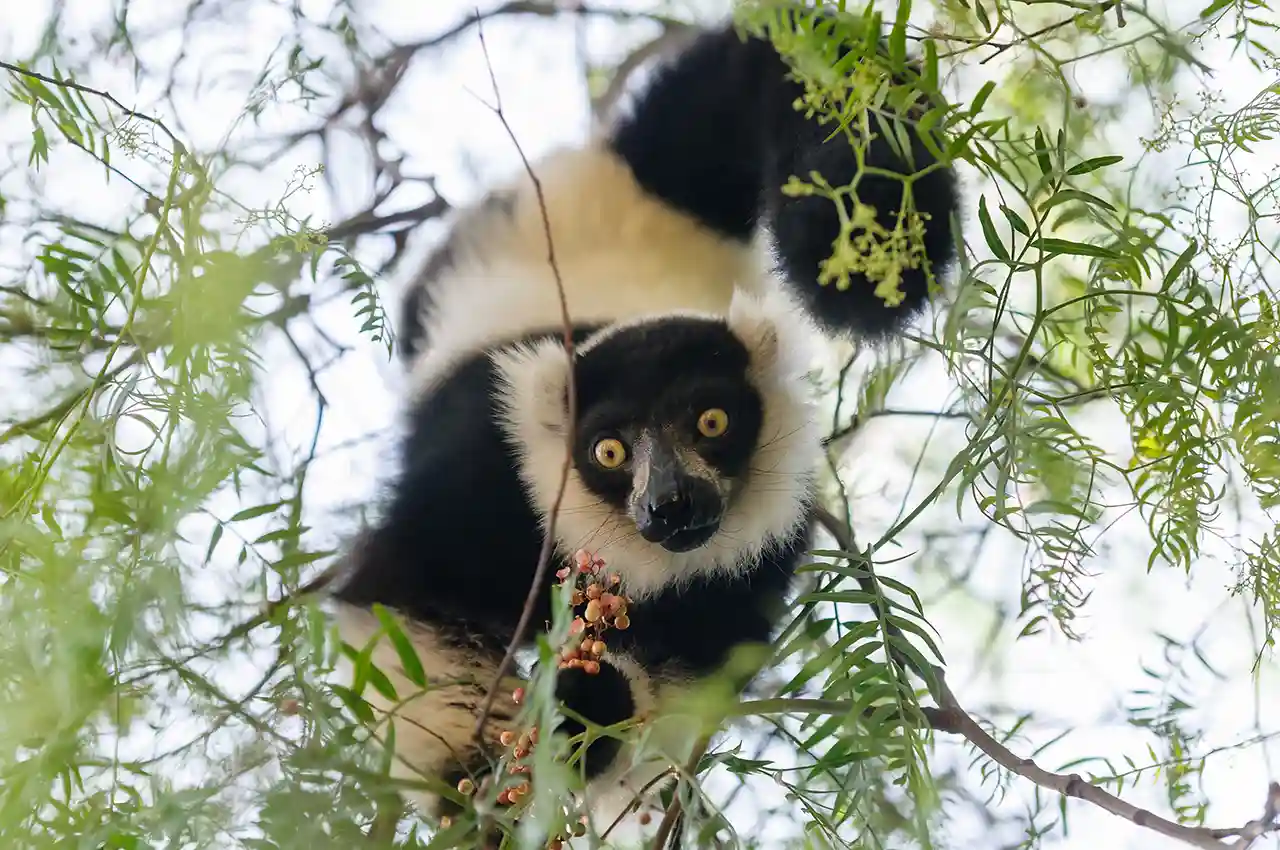
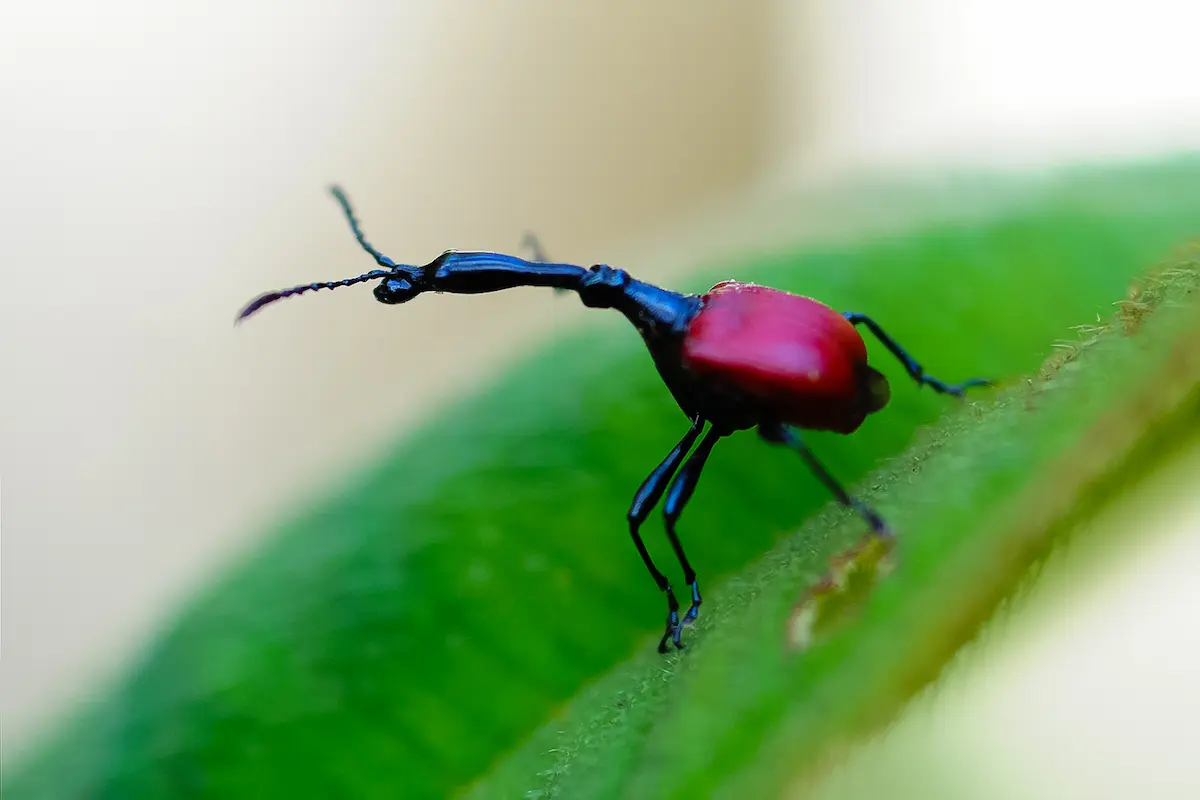
Photo Gallery
Other photo tours
-
Richmond Park Deer Rut Photography Workshop
£139.00 Select options This product has multiple variants. The options may be chosen on the product page -
Photography Tour Isle of Mull
£2,199.00 Select options This product has multiple variants. The options may be chosen on the product page -
Landscape Photography Tour Cairngorms
£2,398.00 Select options This product has multiple variants. The options may be chosen on the product page -
Hamsters & Ground Squirrels Photography Tour in Vienna
£895.00 Select options This product has multiple variants. The options may be chosen on the product page -
Hamsters & Ground Squirrels Photography Tour in Vienna
£895.00 Select options This product has multiple variants. The options may be chosen on the product page -
Slovenia Spring Bird Photography Tour
£2,550.00 Select options This product has multiple variants. The options may be chosen on the product page -
Slovenia Spring Bird Photography Tour
£2,550.00 Select options This product has multiple variants. The options may be chosen on the product page -
Photography Tour Harris and Lewis
£2,295.00 Select options This product has multiple variants. The options may be chosen on the product page -
Photography Tour Isle of Skye in Scotland
£2,295.00 Select options This product has multiple variants. The options may be chosen on the product page -
Photography Tour of Madagascar
£5,995.00 Select options This product has multiple variants. The options may be chosen on the product page -
Canada’s Wild Pacific Coast – Landscape Photography Tour
£3,795.00 Select options This product has multiple variants. The options may be chosen on the product page -
Wildlife Photography Tour South Africa
£6,995.00 Select options This product has multiple variants. The options may be chosen on the product page -
Bird Photography Tour to Slovenia: Floating Hides
£2,749.00 Select options This product has multiple variants. The options may be chosen on the product page -
Bird Photography Tour to Slovenia: Floating Hides
£2,749.00 Select options This product has multiple variants. The options may be chosen on the product page -
Photography Tour Isle of Mull
£2,199.00 Select options This product has multiple variants. The options may be chosen on the product page -
Wildlife Photography Holiday in Zimanga South Africa
£5,795.00 Select options This product has multiple variants. The options may be chosen on the product page -
Wildlife Photography Holiday in Zimanga South Africa
£5,595.00 Select options This product has multiple variants. The options may be chosen on the product page -
California Photo Tour – Bobcats, Elephant Seals, Whales & More
£4,395.00 Select options This product has multiple variants. The options may be chosen on the product page -
Photography Tour Isle of Mull
£2,199.00 Select options This product has multiple variants. The options may be chosen on the product page -
Photography Tour Isle of Mull
£2,199.00 Select options This product has multiple variants. The options may be chosen on the product page -
Finland Photography Trip: Bears, Black Grouse, Capercaillie
£1,950.00 Select options This product has multiple variants. The options may be chosen on the product page -
Wildlife Photography Tour of Finland’s Brown Bears & Cubs
£2,219.00 Select options This product has multiple variants. The options may be chosen on the product page -
Spring Landscape Photography Tour Harris and Lewis
£2,495.00 Select options This product has multiple variants. The options may be chosen on the product page -
Photography Tour Isle of Mull
£2,199.00 Select options This product has multiple variants. The options may be chosen on the product page -
Landscape Photography Tour Cairngorms
£2,398.00 Select options This product has multiple variants. The options may be chosen on the product page -
Photography tour Isle of Skye in Scotland
£2,295.00 Select options This product has multiple variants. The options may be chosen on the product page -
Photography tour Harris and Lewis
£2,495.00 Select options This product has multiple variants. The options may be chosen on the product page -
Wildlife Photography Tour of Finland’s Brown Bears & Cubs
£2,119.00 Select options This product has multiple variants. The options may be chosen on the product page -
Bird Photography Tour to Slovenia: Floating Hides
£2,749.00 Select options This product has multiple variants. The options may be chosen on the product page -
Bird Photography Tour Gambia & Senegal – A Bird Paradise in West Africa
£3,849.00 Select options This product has multiple variants. The options may be chosen on the product page